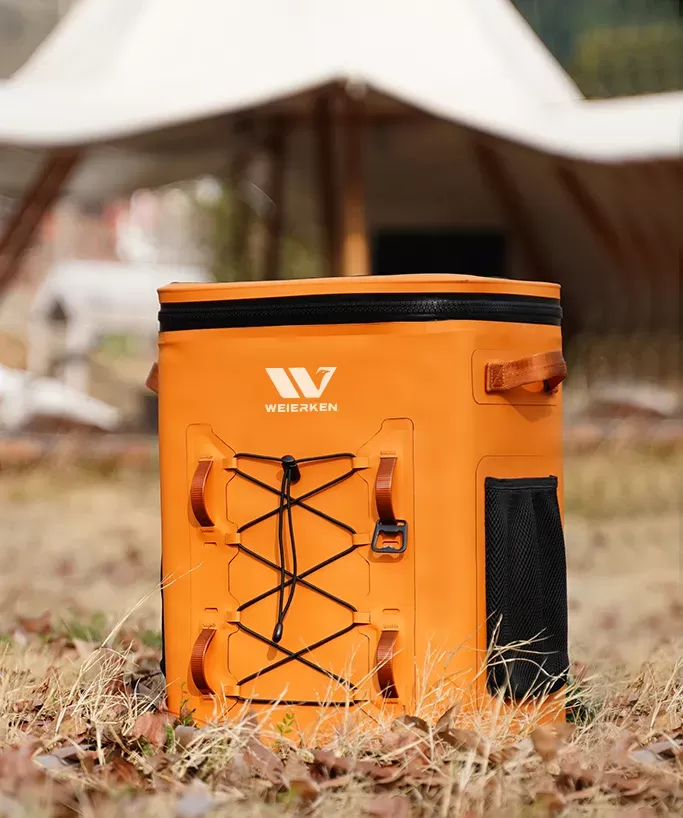

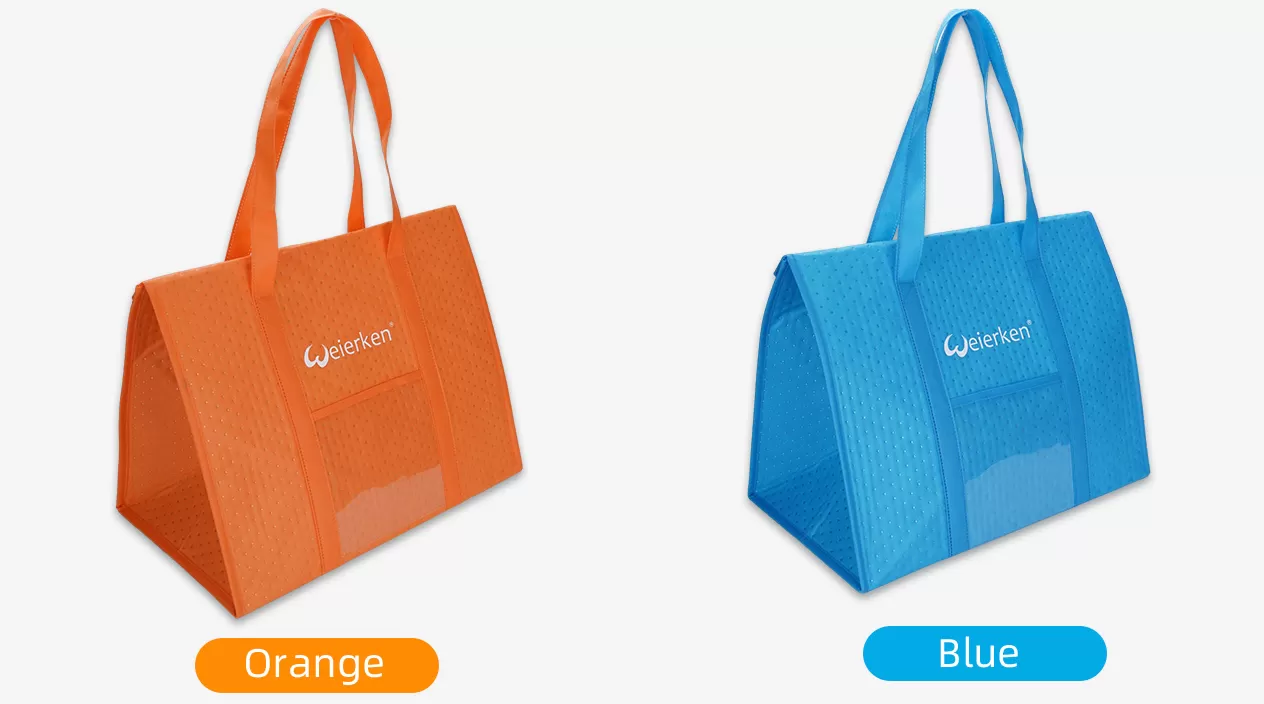
Finding a manufacturing partner for outdoor gear is more than just checking a price list. If you are looking for a pvc tarpaulin backpack factory, you need a partner that understands the technical demands of heavy-duty waterproof bags. At weierken, we believe that the gap between a mediocre product and a market leader lies in the factory’s technical depth.
The outdoor gear market moves fast. Brands require durability, style, and innovative features. Choosing the wrong supplier leads to leaking seams, late deliveries, and brand-damaging returns. This guide provides actionable steps to ensure your next custom waterproof backpack manufacturer meets your highest standards.
1. Audit ODM/OEM Qualifications and R&D Depth
Do not settle for a basic business license. Many facilities claim to be a pvc tarpaulin backpack factory but only offer simple assembly. You must investigate their product development archives. A qualified ODM partner should present at least three original PVC bag designs developed in-house.
Look for clarity in their design logic. Can they explain why they chose a specific PVC coated polyester for a roll-top bag? They should describe the load-bearing capacity and the target market for each design. If a factory only knows how to process supplied materials, they cannot help you innovate.
Request case studies of previous waterproof dry bag projects.
Ask to see their R&D department’s 3D modeling software capabilities.
Check if they hold any patents for welded seam technology or ergonomic strap systems.
2. Verify Sampling Speed and Design Support
Test the factory by starting from the end. Send a hand-drawn sketch or a basic concept to the pvc tarpaulin backpack factory. Observe their response. Can they produce a 3D rendering within 72 hours? Speed in the design phase indicates a strong internal structure.
A reliable manufacturer like weierken provides structural feedback. They should tell you if a zipper placement compromises the waterproof rating IPX6. They should actively suggest better LOGO branding techniques, such as silk screen printing or embossed logos, based on the material's texture.
Within seven days, the factory must deliver a functional physical sample. This sample proves they can translate a drawing into a tangible technical outdoor backpack. If they take three weeks for a first draft, your production timeline will suffer.
3. Scrutinize PVC Raw Materials and Custom Accessory Capacity
True ODM service involves material innovation. Ask the pvc tarpaulin backpack factory if they can customize the PVC fabric weight (gsm) and color fastness. Outdoor gear faces harsh environments. You need materials that offer high UV resistance and cold-crack resistance for winter use.
Generic components make your brand look generic. Inquire if the factory can develop exclusive molds for buckles, zipper pullers, and webbing. Differentiation happens in the details. A high-quality high-frequency welding factory will have a supply chain that supports phthalate-free PVC and REACH-compliant materials.
Inquire about 500D vs 1000D PVC tarpaulin options.
Ask for tensile strength and tear resistance test reports.
Verify their ability to source YKK waterproof zippers or custom-molded hardware.
4. Examine Flexible Production MOQs and Reorder Elasticity
ODM partnerships thrive on testing the market quickly. Many pvc tarpaulin backpack factory entities demand massive volumes. However, you should look for a factory that accepts trial orders of 500 to 1,000 pieces. This allows you to validate your design without heavy inventory risk.
Scalability is equally important. If your product becomes a bestseller, can the factory trigger a reorder within 15 days? This reorder elasticity prevents stock-outs. Ensure that they maintain the same quality control standards for the second batch as they did for the first. weierken focuses on maintaining consistent industrial sewing quality regardless of order size.
Ask about their production capacity during peak seasons. A reliable partner manages their production lines to accommodate both small-scale innovations and large-scale bulk orders without compromising on seam sealing integrity.
5. Establish Project-Specific QC and Sealed Sample Processes
The soul of ODM is turning design intent into a mass-producible standard. Require the pvc tarpaulin backpack factory to create a dedicated quality folder for your project. This should include full color swatches, material cards, and defect limit samples.
Establish "Sealed Samples" as the absolute law for final acceptance. Both parties sign two identical bags; one stays at the factory, and one stays with you. This prevents "quality creep" where the factory slowly substitutes cheaper PVC materials or simplifies RF welding steps to save time.
Demand AQL 2.5 inspection standards for all bulk shipments.
Ensure they perform leakage tests on every waterproof roll-top backpack.
Check their salt spray testing for any metal components or buckles.
6. Inspect Intellectual Property Protection and Customer Firewalls
A professional pvc tarpaulin backpack factory treats your intellectual property with respect. They should proactively offer Non-Disclosure Agreements (NDAs) and non-compete clauses. Your private molds and unique backpack designs must be strictly isolated.
Ask how they manage samples for other clients. A factory should never show your exclusive PVC bag designs to a competitor or display them at a trade show without your permission. Effective industrial IP protection is a sign of a high-end OEM/ODM service provider.
The "customer firewall" ensures that even the production workers understand the sensitivity of certain designs. This level of professionalism separates a standard bag manufacturer from a strategic partner that values long-term collaboration over short-term gains.
7. Listen to Industry Reputation and ODM Success Stories
The final step is verifying their history. Don't just read the testimonials on their website. Contact previous clients of the pvc tarpaulin backpack factory and ask specific questions. You want to know if the customized services promised at the start actually materialized in the final product.
Ask them: "How did the factory handle production delays?" or "Did the durability of the PVC hold up after six months of consumer use?" Real stories reveal how a factory acts when things go wrong. A reliable factory like weierken builds its name on solving problems, not hiding them.
Check for certifications like ISO 9001 or BSCI. These social compliance and quality management audits provide an objective view of the factory's operational health. A factory that invests in its staff and environment usually produces a higher quality heavy-duty gear bag.
Summary of Factory Selection
Choosing a pvc tarpaulin backpack factory is a strategic decision. By focusing on R&D depth, sampling speed, and material customization, you position your brand for success. Remember that weierken is committed to these rigorous standards, ensuring your waterproof backpacks stand out in a crowded market.
Frequently Asked Questions
What is the difference between PVC and TPU for backpacks?
PVC tarpaulin is generally more cost-effective and offers excellent abrasion resistance. It is ideal for heavy-duty waterproof bags. TPU is lighter and more environmentally friendly but usually comes at a higher price point. Most pvc tarpaulin backpack factory experts suggest PVC for rugged outdoor use where weight is less critical than durability.
How does RF welding ensure a backpack is waterproof?
RF welding technology (Radio Frequency) uses electromagnetic energy to fuse PVC coated fabrics together at a molecular level. Unlike traditional sewing, it creates a seamless bond. This makes the bag 100% waterproof, reaching ratings like IPX6 or IPX7, which is essential for dry bags used in kayaking or heavy rain.
Can I customize the thickness of the PVC material?
Yes. A professional pvc tarpaulin backpack factory can source materials ranging from 0.3mm to 1.0mm thickness. For most outdoor backpacks, 0.5mm (approx 500D) is the standard, while heavy-duty industrial bags might use 0.7mm or thicker for maximum tear resistance.
What is the typical lead time for a custom PVC backpack?
Generally, the sampling phase takes 7-10 days. Once the design is finalized and the sealed sample is approved, mass production at a pvc tarpaulin backpack factory usually takes 35 to 45 days. This depends on the complexity of the welded seams and the availability of custom accessories.
How do I know if the PVC used is safe for the environment?
You should request SGS or Intertek test reports. Ensure the factory uses phthalate-free PVC and complies with REACH or Prop 65 regulations. A responsible pvc tarpaulin backpack factory will provide documentation proving their materials do not contain harmful heavy metals or toxic plasticizers.
Does the factory provide logo customization options?
Absolutely. Most factories offer silk screen printing, UV printing, or laser engraving for buckles. For a waterproof PVC bag, high-frequency embossed logos are also popular as they do not compromise the integrity of the waterproof coating.
Ready to start your next project with a reliable pvc tarpaulin backpack factory?
Contact weierken today for a professional consultation and request a quote. Let us help you turn your design concepts into high-performance outdoor gear. Inquiry now to speak with our technical team.