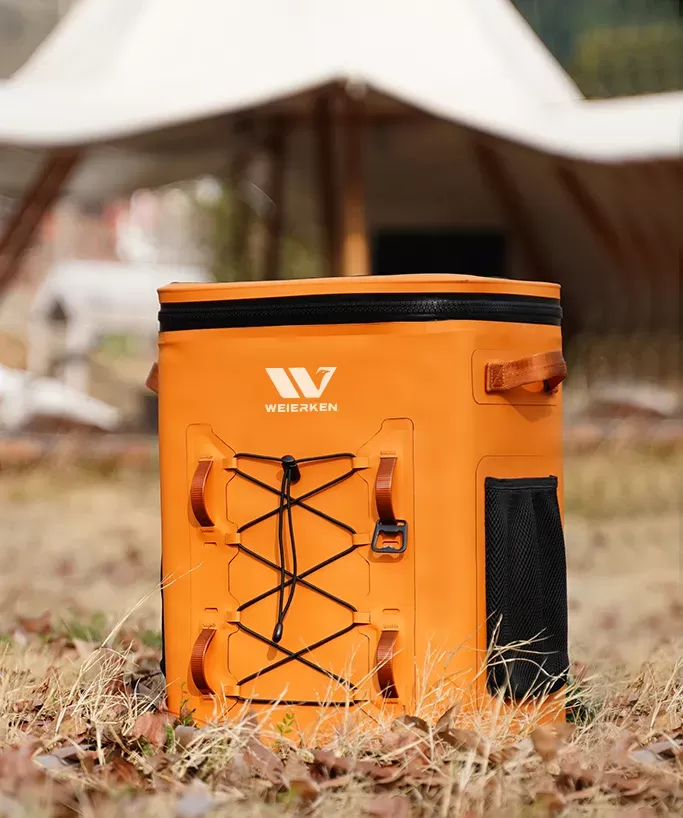

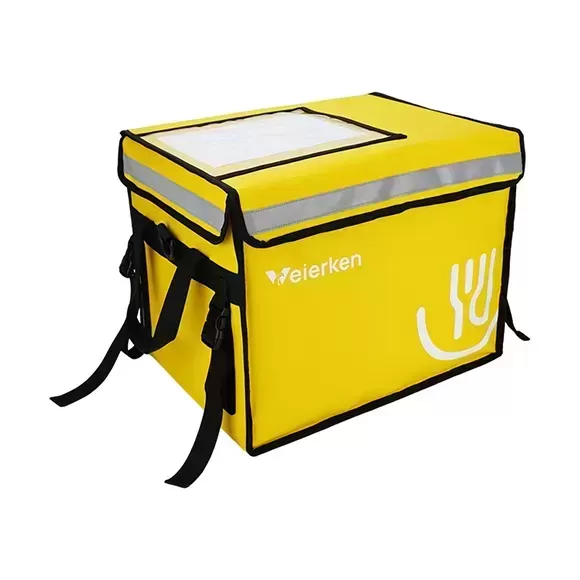
Finding a trustworthy produce delivery bag factory is the cornerstone of a successful fresh food logistics business. When your reputation depends on the crispness of lettuce and the safety of heavy fruit crates, the bag is more than just a container. It is a protective shell. At weierken, we understand that sourcing managers face immense pressure to balance costs with uncompromising quality.
The market is flooded with suppliers claiming to be the "best." However, many of these claims fall apart under scrutiny. Identifying a reliable produce delivery bag factory requires a keen eye for detail. You must look beyond the glossy catalog photos. You need to know what happens on the factory floor and where the materials originate.
Choosing the wrong partner leads to more than just wasted money. It results in torn handles, contaminated food, and angry customers. This guide breaks down seven critical red flags you should watch for during your vetting process. By staying alert, you can ensure your produce delivery bag factory partner actually adds value to your supply chain.
1. Refusal to Provide Raw Material Provenance
Reliable agricultural packaging requires high-strength, food-grade, or eco-friendly materials. A professional produce delivery bag factory typically uses virgin PP, PE, or specialized non-woven fabrics. If a supplier hesitates to show material purchase records, they are likely hiding something.
Recycled plastics are a common shortcut for dishonest manufacturers. These materials often carry a strong chemical odor. Worse, they lack the molecular integrity of virgin polymers. A produce delivery bag factory that cannot provide a Material Safety Data Sheet (MSDS) or batch testing reports is a major risk. Your produce could be exposed to heavy metals or volatile organic compounds.
Demand to see food-grade certifications for all internal liners.
Check for virgin polypropylene procurement invoices.
Ask about the UV-stabilizer content if the bags will be used in outdoor fields.
Reject any produce delivery bag factory that claims material data is "proprietary information."
At weierken, we believe transparency is non-negotiable. Every roll of fabric entering our produce delivery bag factory undergoes strict inspection before it hits the cutting table.
2. No Physical Production Site or Refusal of On-Site Tours
The "middleman" problem is rampant in the packaging industry. Many entities present themselves as a produce delivery bag factory but are actually small trading offices. They show you a beautiful showroom in a city skyscraper but have no control over the actual manufacturing process.
A legitimate produce delivery bag factory welcomes customer audits. If they make excuses about "safety protocols" or "busy seasons" to keep you out of the workshop, walk away. You need to see the machinery. Is the equipment modern? Is the warehouse organized? Are the workers following safety standards?
Physical inspections are the only way to verify production capacity. You can see the automated sewing lines and the quality control stations in real-time. A pvc tarpaulin backpack factory that also handles produce bags should demonstrate diverse technical capabilities, showing they can manage heavy-duty stitching and heat-sealing processes effectively.
3. Significant Quality Gaps Between Samples and Bulk Orders
This is the classic "bait and switch." You receive a perfect, hand-crafted sample from the produce delivery bag factory. You test it, it passes, and you place a large order. Then, the container arrives, and the bags are thinner, the colors are faded, and the stitching is messy.
A professional produce delivery bag factory follows a strict Pre-Production Sample (PPS) protocol. They don't just send one sample; they provide a sealed sample agreement. This ensures that the bulk production matches the approved prototype in every metric, from fabric GSM to the thickness of the printing ink layer.
Always keep your original sample as a "golden standard."
Require a first-article inspection report for large runs.
Check for consistency in handle reinforcement across multiple units.
Question any produce delivery bag factory that doesn't use standardized color matching (like Pantone).
Why Testing Standards Matter for Produce
Agricultural products are unique. They are heavy, often wet, and require ventilation. A produce delivery bag factory must understand these nuances. If they treat a produce bag like a cheap promotional tote, your logistics will fail. weierken ensures that every bag design accounts for the specific weight and moisture requirements of fresh harvests.
4. Lack of Specific Testing for Produce Characteristics
Does the factory have its own lab? If a produce delivery bag factory looks confused when you ask about tensile strength tests or load-bearing stability, they aren't experts. Produce bags undergo extreme stress. They are stacked, tossed into trucks, and dragged across concrete floors.
A high-quality produce delivery bag factory should perform drop tests and aging tests. They need to prove that the bag won't burst when filled with 10kg of potatoes. They should also test for breathability to prevent mold growth during transit. Without third-party testing reports (like SGS or Intertek), their quality control system is essentially non-existent.
If you are looking for specialized gear, such as those made by a pvc tarpaulin backpack factory, the testing becomes even more rigorous. Hydrostatic pressure tests and abrasion resistance are vital for heavy-duty applications. Your produce delivery bag factory should mirror this level of technical scrutiny.
5. Prices Significantly Below the Market Average
Everyone wants a deal, but in manufacturing, you get what you pay for. If a produce delivery bag factory quotes a price 20% lower than everyone else, be suspicious. Where is that 20% coming from? Usually, it's stolen from the material weight or the stitching density.
Legitimate cost advantages come from automated production or in-house raw material processing. If the factory cannot explain their low price through efficiency, they are likely cutting corners. Low-priced bags often have insufficient seam strength, leading to high failure rates in the field. The "savings" vanish when you have to replace 15% of your inventory due to defects.
A reliable produce delivery bag factory provides a transparent breakdown of costs. They explain the difference between cross-stitching and ultrasonic welding. They help you understand why a slightly higher upfront investment reduces long-term operational costs and customer complaints.
6. Unrealistic Lead Times with No Contingency Plans
Produce is seasonal. You cannot wait three weeks for bags when the harvest is happening today. Some suppliers will promise a "7-day delivery" just to win the contract. Once they have your deposit, the excuses start. Their production schedule is full, or there is a "sudden material shortage."
A professional produce delivery bag factory gives realistic timelines based on current order backlogs. They offer buffer capacity for emergency orders. They should be able to provide a phased delivery plan if the total quantity is too large to ship at once. Integrity in communication is a hallmark of a great partner.
Ask for a production timeline with clear milestones.
Inquire about their peak season capacity.
Confirm if they have redundant machinery to handle breakdowns.
Check if the produce delivery bag factory has experience with time-sensitive logistics.
7. Poor ODM/OEM Capability and Customization Experience
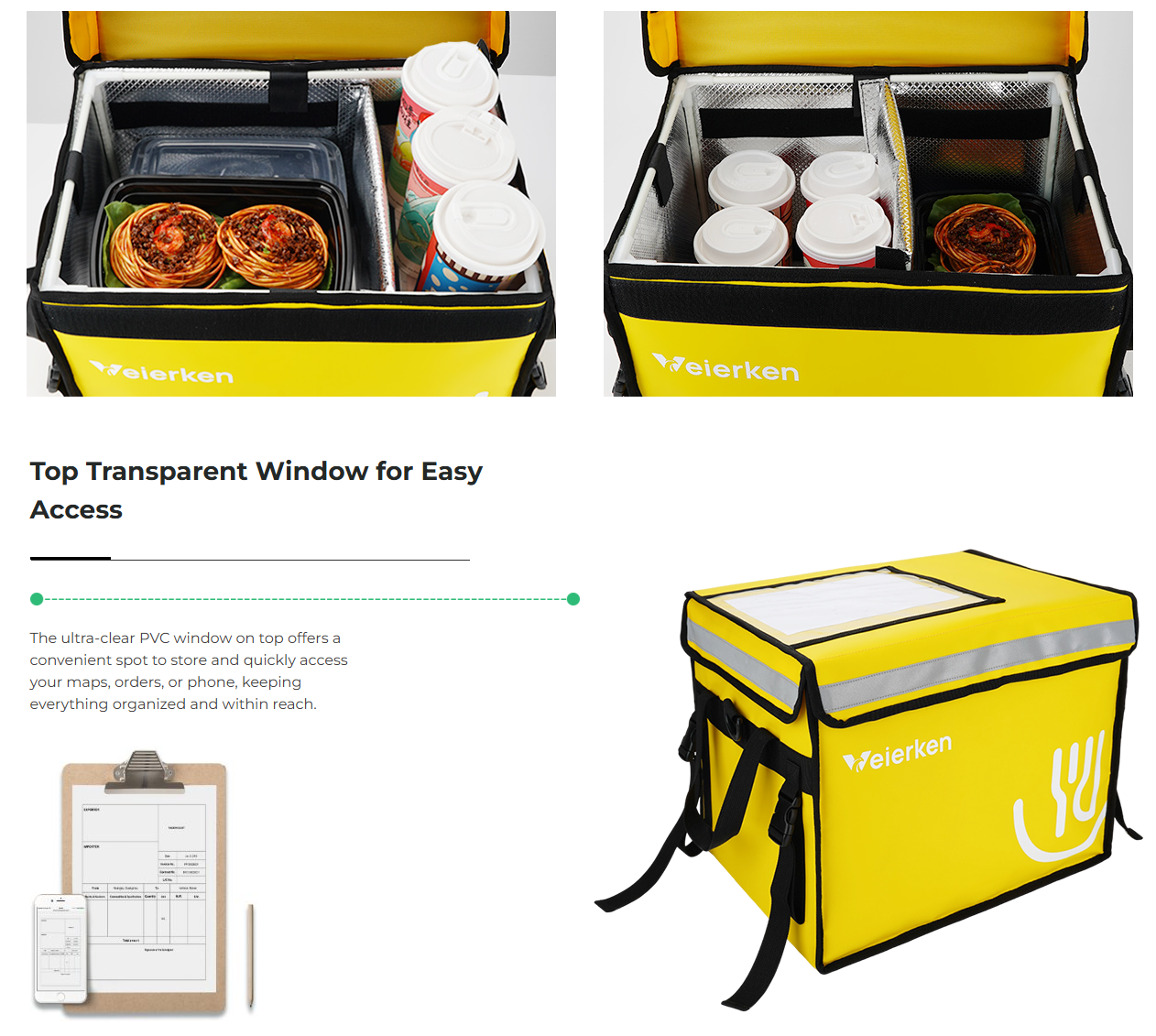
Most commercial produce delivery needs are custom. You might need specific ventilation hole placements, unique closure systems like hook-and-loop fasteners, or insulated liners for cold-chain items. If a produce delivery bag factory only offers "stock bags," they lack the engineering depth you need.
Lack of Original Design Manufacturing (ODM) capability means they don't have a design team. If you need a bag that fits a specific delivery crate, they won't be able to help with the prototyping phase. A versatile pvc tarpaulin backpack factory often has the tooling and pattern-making expertise that a basic bag maker lacks. This expertise is crucial for developing ergonomic handles and reinforced bases.
Working with a produce delivery bag factory that has a rich history of OEM projects ensures you aren't their "guinea pig." They already know which thread types work best for heavy loads and which printing methods won't peel off in humid environments. They offer a complete chain from concept design to final mass production.
The Importance of a Total Solution
Choosing a produce delivery bag factory like weierken means choosing a partner that understands the entire lifecycle of the product. We don't just sew fabric; we solve logistics challenges. From selecting the right non-woven grammage to ensuring colorfastness, we focus on the details that keep your produce fresh and your brand professional.
Conclusion: Building a Resilient Supply Chain
The health of your business is tied to the reliability of your produce delivery bag factory. By avoiding these seven red flags, you protect your bottom line and your brand's reputation. Don't settle for "good enough." Look for a partner that values quality control as much as you do.
Sourcing is about more than just a transaction; it's about a long-term relationship. A produce delivery bag factory that invests in raw material certification and advanced testing is an asset. Whether you need standard totes or high-performance gear from a pvc tarpaulin backpack factory, the standards of excellence remain the same. Choose weierken for a partnership built on transparency, technical skill, and dedicated service.
Frequently Asked Questions (FAQ)
1. What are the best materials for a produce delivery bag factory to use?
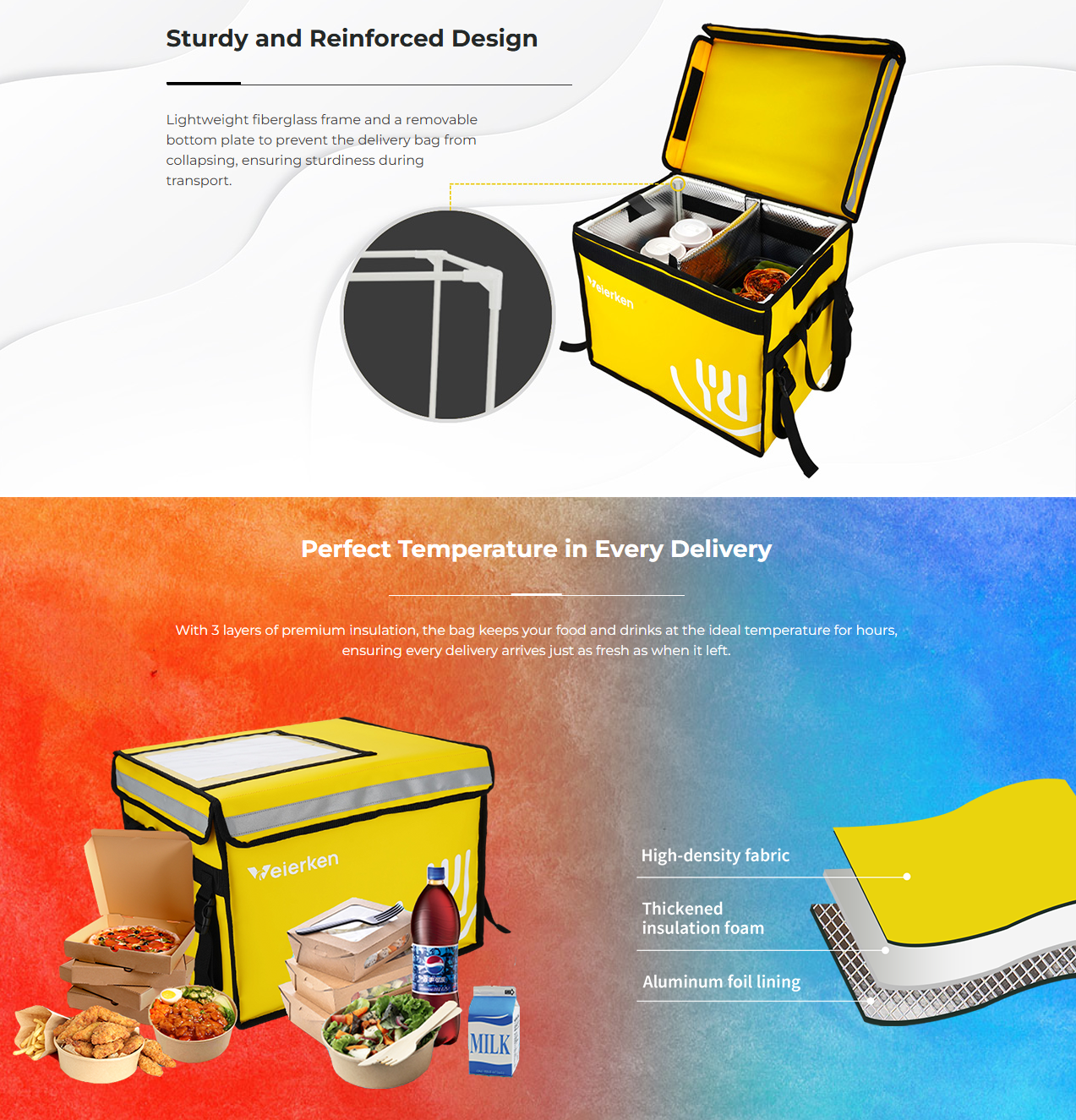
The best materials include virgin polypropylene (PP), high-density polyethylene (HDPE), and heavy-duty non-woven fabrics. For temperature-sensitive items, aluminum foil liners or EPE foam insulation are essential. Always ensure the materials are food-safe and free from BPA or recycled contaminants.
2. How can I verify the capacity of a produce delivery bag factory remotely?
You can request a live video tour of the production floor. Ask to see the cutting machines, sewing lines, and QC stations in action. Additionally, ask for recent factory audit reports (like BSCI or ISO 9001) which verify their operational scale and compliance.
3. Why is UV resistance important for produce bags?
Many produce bags are used in fields or loaded onto open-air trucks. Without UV-stabilized additives, the plastic fibers break down quickly under sunlight. This leads to "dusting" or sudden bag failure. A quality produce delivery bag factory will offer UV protection as a standard or optional feature.
4. What is the typical MOQ for a custom produce delivery bag?
MOQs vary depending on the fabric customization and printing requirements. Most factories require between 500 and 2,000 units for custom sizes or colors. However, a flexible produce delivery bag factory might offer lower MOQs for standard fabrics with custom logos.
5. Can a produce delivery bag factory help with eco-friendly options?
Yes. Many modern factories offer biodegradable PLA materials or RPET (recycled PET) fabrics made from plastic bottles. A reliable produce delivery bag factory should provide certifications for these eco-friendly claims to help you meet your sustainability goals.
6. How do I ensure the handles don't break on heavy produce bags?
Look for reinforced "X" stitching at the stress points. The handle webbing should wrap around the bottom of the bag for maximum support. Ask your produce delivery bag factory for a static load test report to see the maximum weight the handles can support before failing.
Contact Us
Are you looking for a produce delivery bag factory that prioritizes quality and transparency? weierken is here to help you scale your business with durable, custom-designed packaging solutions.
Email: service@weierkenbag.com
Request a Quote: Contact our technical team today for a free consultation and sample review!