

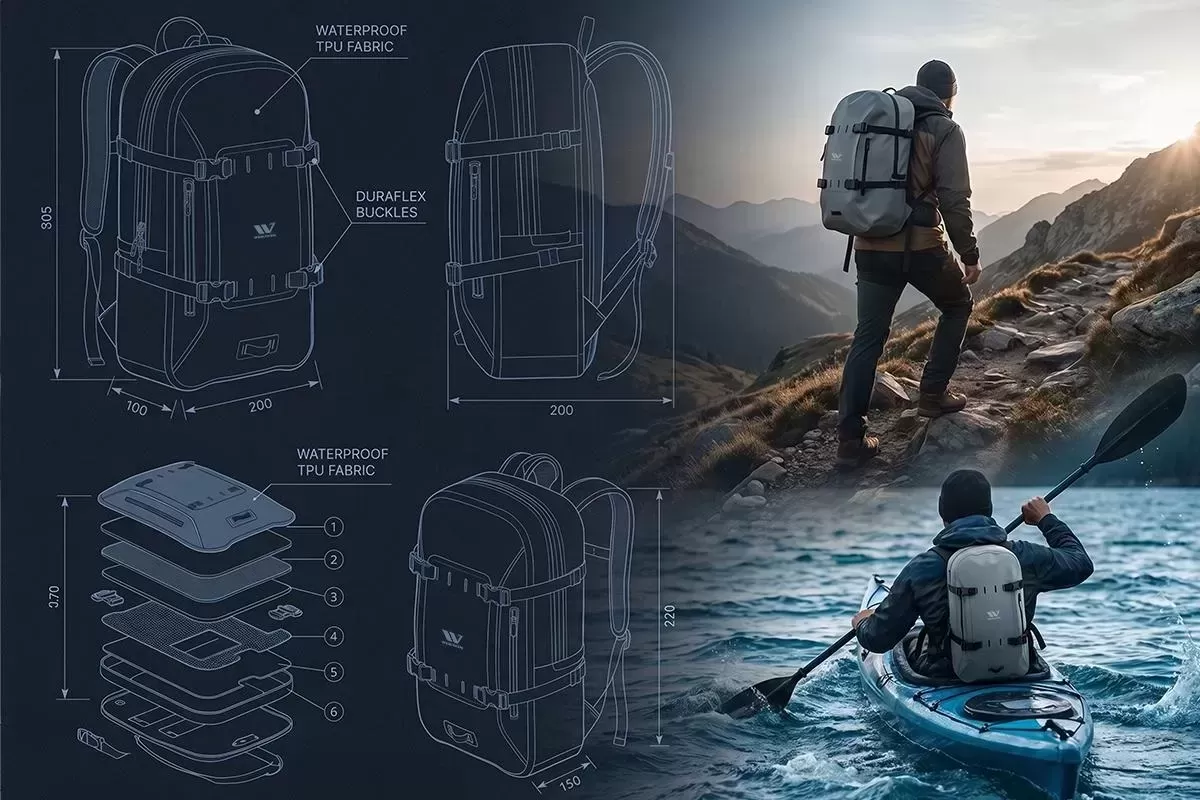
Sourcing the right gear is the backbone of any successful outdoor brand. You cannot afford to work with a supplier that cuts corners. A single failed seam on a mountain peak can ruin a user's experience and destroy your brand's reputation. Finding a professional outdoor bag factory requires more than a simple price comparison. It requires a deep dive into their technical capabilities and quality management. At weierken, we believe transparency is the first step toward a long-term manufacturing partnership.
Whether you are developing a technical hiking pack or a durable dry bag, you need to know how your outdoor bag factory handles stress. This guide outlines the nine essential questions you must ask during your next audit or inquiry. These questions will help you separate professional manufacturers from basic assembly shops.
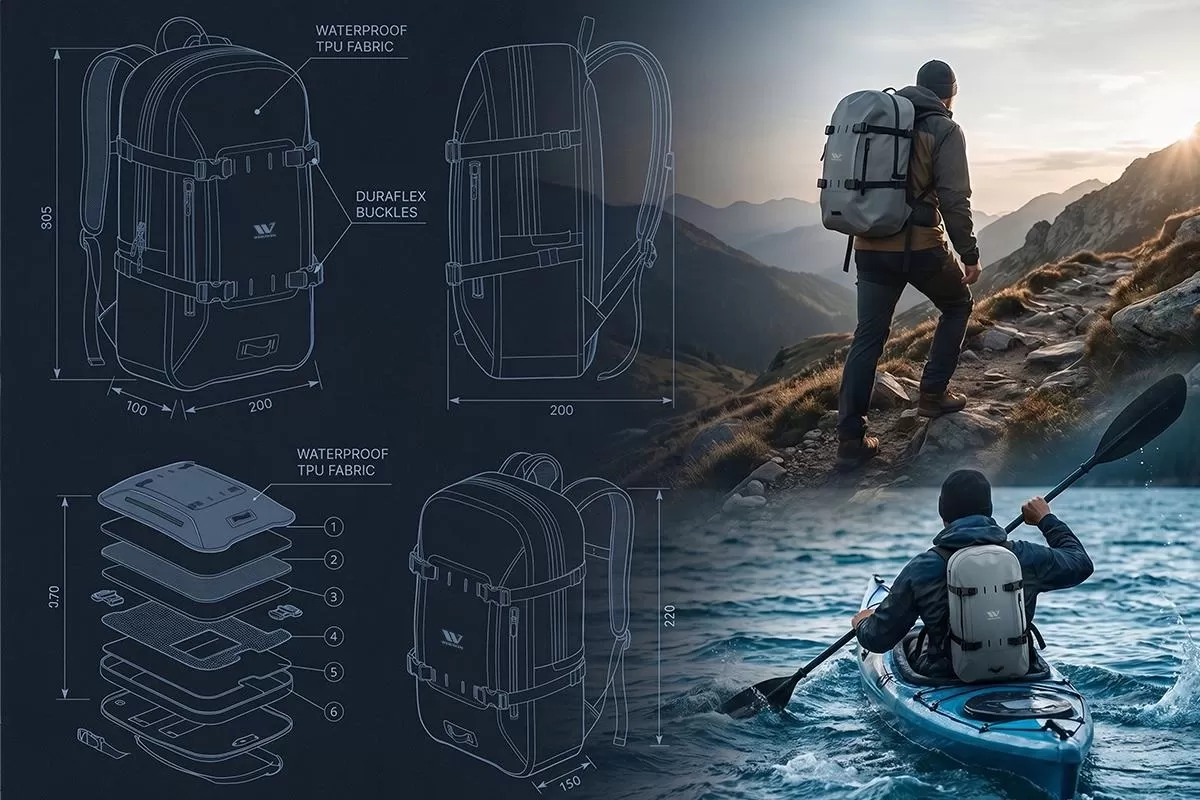
1. Are you certified with ISO 9001 or other industry-specific quality systems?
Industry facts matter. An ISO 9001 certification proves that the outdoor bag factory has basic process management in place. However, for the outdoor market, you should look for more. If a factory holds GS (German Safety) or BSCI social responsibility reports, it indicates higher standards for quality control and labor conditions.
Don't just accept a certificate. Ask to see internal audit records or management review reports. A legitimate outdoor bag factory should be able to show how they implement these standards on the production floor. This ensures that their quality isn't just on paper but is part of their daily routine.
2. Do you have regular internal testing data for stitch strength and hardware durability?
Outdoor bags fail in specific ways. Common issues include shoulder straps tearing or zippers jamming. You need to know if the outdoor bag factory tests for these failures. For example, the tensile strength of a shoulder strap should be at least 200N. Zippers should handle 5,000 cycles without failing.
Ask for the last three months of testing logs. A professional outdoor bag factory will perform load-bearing tests and impact tests on buckles at temperatures as low as -20°C. If a buckle becomes brittle and snaps in the cold, it is useless for winter sports. They should also show you how they handle defective products—do they scrap them, or do they have a rework protocol?
3. Is there batch-to-batch traceability for fabrics and coatings?
Fabric quality can vary between production runs. Whether it is Cordura, high-density polyester, or nylon, the abrasion resistance and waterproof coating thickness must remain consistent. Many brands face issues when one batch of bags is waterproof while the next leaks under light rain.
A reliable outdoor bag factory assigns a unique batch number to every roll of fabric. They should provide physical property reports from the supplier, including Martindale abrasion scores and hydrostatic pressure results. Weierken ensures that all materials are logged so that we can trace any issue back to the original weaving or coating date.
Request the supplier's original test reports.
Ask for internal re-inspection records of incoming fabrics.
Verify the PU coating thickness and consistency across different colors.
4. How do you control the quality of accessories like zippers and buckles?
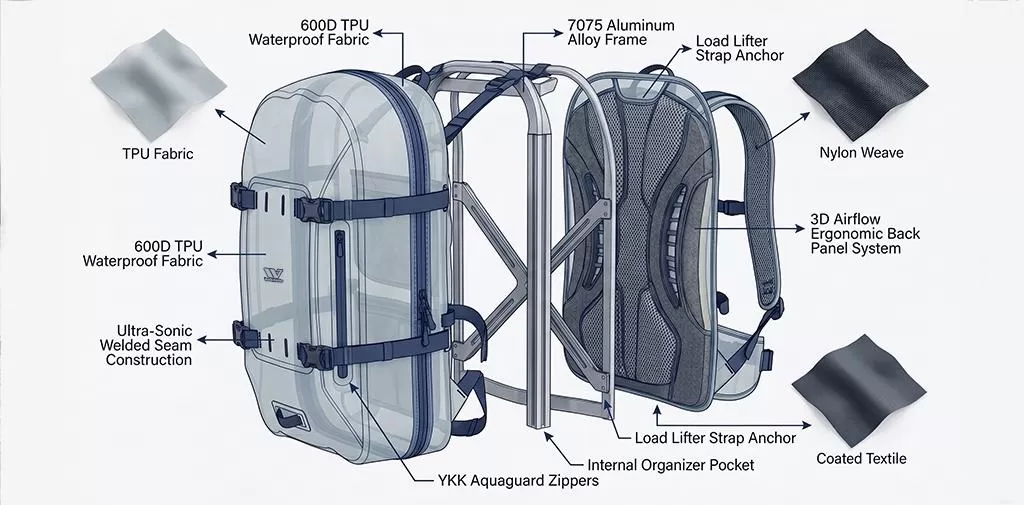
Low-cost factories often mix brand-name parts with generic or counterfeit versions. Accessories like YKK, SBS, Duraflex, or Woojin are industry standards for a reason. They offer the longevity that outdoor enthusiasts demand. Your outdoor bag factory should be clear about their sourcing.
Ask for purchase invoices or brand authorization letters. If they use non-branded accessories, they must provide internal test reports for salt spray resistance and pull strength. Professional Waterproof zippers are essential for technical gear. If the outdoor bag factory cannot prove the origin of their hardware, your product quality is at risk.
5. What is your capacity elasticity and outsourcing ratio?
The outdoor industry is seasonal. Demand peaks before spring and before major shopping holidays like Black Friday. You need an outdoor bag factory that can scale up without losing quality. If a factory outsources more than 30% of its work during peak season, quality consistency usually drops.
Get specific numbers. Ask about their maximum monthly capacity versus their regular capacity. If they do use external sub-factories, ask if those facilities pass the same audit standards. A transparent outdoor bag factory will admit when they are at capacity and will have a vetted plan for overflow production.
6. What is the lead time and cost for a new functional bag prototype?
Developing a bag with a specialized Ergonomic suspension system, hydration ports, or helmet nets is complex. You need to know how fast the outdoor bag factory can turn a 2D sketch into a physical sample. Typically, a first-round sample takes 10 to 20 days, depending on the complexity of the paper patterns.
Clarify the sampling fees. Most factories charge for prototypes but will credit that amount back to the bulk order. Ask how many rounds of revisions are included. A good outdoor bag factory will have structural engineers on-site who can suggest improvements to the internal frame or pocket layout during the sampling phase.
7. How do you ensure compliance with environmental regulations like REACH or CA Prop 65?
Global markets have strict limits on chemicals like lead, phthalates, and PFAS. If your outdoor bag factory doesn't stay current with these laws, your goods could be seized at customs. This is especially important for bags that come into direct contact with skin or food.
Ask for recent third-party test reports from labs like SGS or TUV. If they don't have current reports, ask who bears the cost of testing for your specific order. At weierken, we stay ahead of environmental mandates to ensure our clients' products are safe for all international markets.
8. Do you offer a three-stage sealing process for samples?
To avoid mass production errors, you need a rigorous sample approval process. This usually involves:
Pre-production samples: To verify materials and structure.
Confirmed samples: To verify colors, logos, and printing.
Bulk samples: Randomly pulled from the production line before shipping.
Ask the outdoor bag factory if they accept third-party inspections. A factory that resists outside inspection is a red flag. They should provide a dedicated space for inspectors and cooperate with the scheduling to ensure no shipping delays occur.
9. What is your mechanism for after-sales responsibility and batch tracing?
What happens if a customer finds a mass defect after the goods arrive? A professional outdoor bag factory must have a response plan. They should keep production records for at least two years. This includes knowing which operator worked on which machine and which batch of Bartack stitching thread was used.
Ask for a real-world example of how they handled a quality dispute in the past year. Did they provide a partial refund, repair the units, or replace the batch? A factory that claims they never have complaints is likely hiding something. Professionalism is found in how a outdoor bag factory handles mistakes, not just how they celebrate successes.
A good response looks like this:
Acknowledgment within 48 hours of the complaint.
A root-cause analysis based on retained production samples.
A clear plan for replacement parts or credit on future orders.
Choosing an outdoor bag factory is one of the most important decisions for your business. By asking these nine questions, you move beyond the surface-level sales pitches. You begin to understand the actual technical capability and integrity of the manufacturer. From TPU lamination quality to the precision of Bartack stitching, every detail counts. Weierken is committed to providing these answers upfront because we value the trust of our partners above all else.
Frequently Asked Questions
What are the most important tests for an outdoor bag?
The most critical tests include tensile strength tests for straps, hydrostatic pressure tests for waterproofness, and color fastness tests to ensure the bag doesn't fade under intense UV exposure.
Why is Bartack stitching so important in outdoor bags?
Bartack stitching is a series of tight, zigzag stitches used to reinforce stress points like handle attachments and strap joins. Without it, the bag will likely tear when carrying heavy loads over long distances.
How does TPU lamination differ from PU coating?
TPU lamination involves bonding a physical film to the fabric, which is much more durable and waterproof than a liquid PU coating. TPU is also more environmentally friendly and resistant to extreme temperatures.
Should I visit the outdoor bag factory in person?
While digital communication is great, a physical or virtual tour allows you to see their quality control stations and 5S management. It helps you verify if they actually have the equipment they claim to own.
What is the typical MOQ for a custom outdoor bag?
MoQs generally range from 500 to 1,000 units per style. This is usually determined by the minimum order of the specialized fabrics and Waterproof zippers required for the build.
Inquiry Now
Are you looking for a partner who understands the technical requirements of the outdoor market? At weierken, we are a professional outdoor bag factory with decades of experience in OEM and ODM services. We handle everything from Ergonomic suspension system design to rigorous final inspections.
Don't leave your product quality to chance. Contact us today to discuss your project requirements, request a factory audit report, or get a custom quote!
Email: service@weierken.com
Website: www.weierken.com