

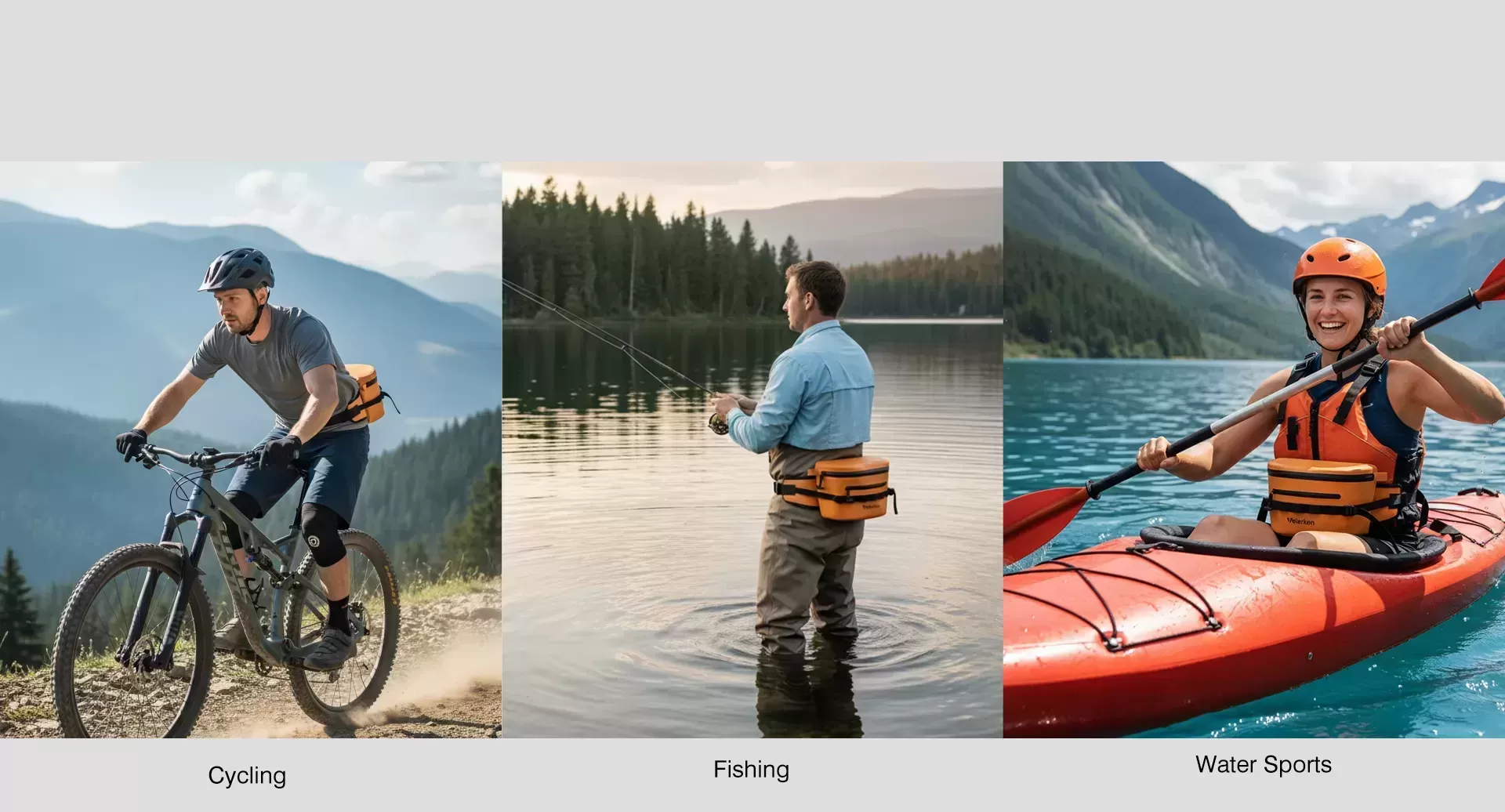
The success of an outdoor water sports brand depends on the integrity of its gear. Unlike a standard gym bag or a generic travel backpack, a paddleboarding bag must survive brutal environments. It faces constant moisture, salt spray, and intense solar radiation. If you are a brand owner or a specialized retailer, finding the right paddleboarding bag factory is your first step toward market success. At weierken, we understand that a single failed seam can ruin a customer's experience and damage your brand reputation.
Sourcing from a paddleboarding bag factory requires more than just checking a price list. You need to look at the machinery, the testing protocols, and the raw material certifications. This guide outlines six critical audit points gathered from years of industry experience. These tips will help you filter out middleman trading companies and find a genuine manufacturing partner that can handle the complexities of technical waterproof gear.
1. Inspect Waterproof Fabric Grades and Seam Construction
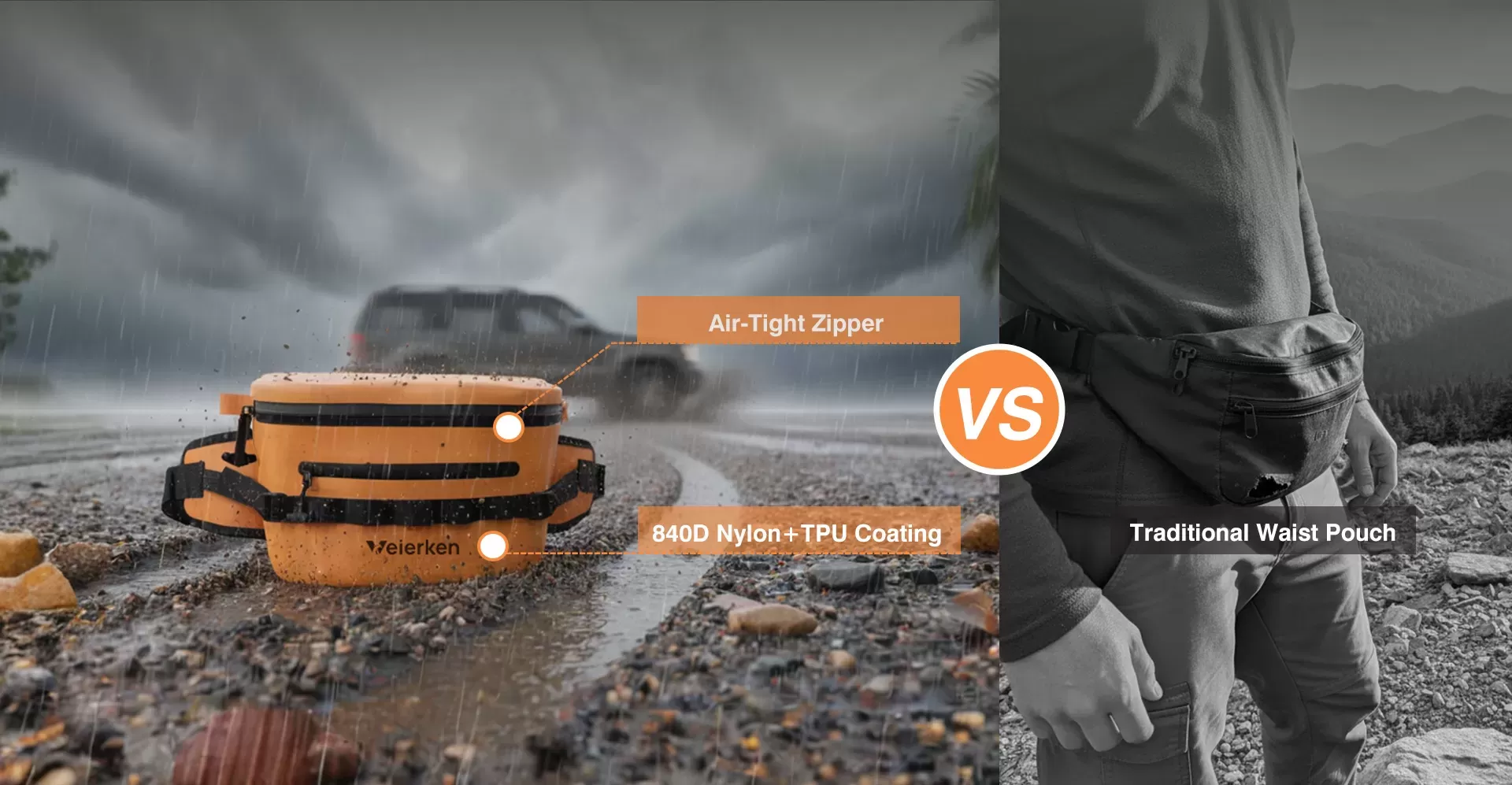
The primary function of any product coming out of a paddleboarding bag factory is protection. If the bag cannot keep the gear dry or withstand a wet environment, it fails its purpose. During a factory audit, your first stop should be the raw material warehouse and the bonding workshop. High-quality waterproof SUP bags usually require specialized materials that go beyond basic nylon.
Check for the following technical specifications:
Fabric Density: Ensure the factory uses 500D PVC Tarpaulin, TPU-laminated fabrics, or heavy-duty Oxford cloth with a thick internal coating.
Hydrostatic Pressure Rating: Ask for test reports. A professional paddleboarding bag factory should provide fabrics with a rating of at least 5000mm H₂O.
Seam Technology: This is where most factories fail. For true waterproofing, look for high-frequency welding or heat-sealed tape seams. If the factory only uses traditional stitching for the main body, the bag will eventually leak.
Water-Resistant Zippers: Verify if they use YKK aqua-guard zippers or similar TPU-coated zippers. Check how the zipper "garage" is constructed to prevent water entry at the ends.
A simple on-site test is to take a sample bag, fill it with air, seal it, and apply pressure. Listen for hissing or use a spray bottle to see if water penetrates the heat-welded joints. A reliable paddleboarding bag factory will welcome these tests because they are confident in their craftsmanship.
2. Evaluate Load-Bearing Strength and Structural Durability
A complete iSUP (Inflatable Stand Up Paddleboard) kit is heavy. Between the board, the pump, the fin, and the paddle, the total weight often hits 15kg to 20kg. A cheap bag will rip at the shoulder straps within three uses. When you visit a paddleboarding bag factory, you must examine how they reinforce high-stress areas.
Ask the production manager about their tensile strength testing. Specifically, the connection point between the shoulder straps and the bag body should withstand a static pull of at least 60kg for one minute without any sign of tearing or deformation. Look for "X-box" stitching patterns or reinforced webbing inserts that distribute weight across a larger surface area.
The bottom of the bag deserves extra attention. Since users often drag these bags across sand, rocks, or concrete, a paddleboarding bag factory should use abrasion-resistant base materials. Ask if they perform the Martindale Abrasion Test. Ideally, the bottom fabric should exceed 20,000 rubs. If the factory uses thick rubber molded feet or a double-layered PVC base, it shows they understand the real-world use of paddleboard transport bags.
3. Audit the Waterproof Quality Control Process
It is one thing to make a waterproof sample; it is another to maintain that quality over a 5,000-unit production run. A top-tier paddleboarding bag factory must have a dedicated waterproof testing station. You shouldn't see just one person checking bags; you should see a systematic workflow. At weierken, we emphasize that quality is built into the process, not just checked at the end.
During your audit, ask to see the Standard Operating Procedures (SOP) for waterproof testing. Does the paddleboarding bag factory perform 100% inspection on the main compartments? Many factories only do random sampling, which is risky for technical dry bags. Watch the workers: are they using pressurized air to check for leaks in the welded seams? Are they recording the results of every batch?
Look for a "Red Tag" area. This is where defective units go. If a paddleboarding bag factory claims they have zero defects, they are likely lying. A transparent factory will show you how they identify leaks, how they perform repairs (if possible), and how they re-test those units. Proper quality assurance for outdoor gear requires this level of detail to ensure long-term product reliability.
4. Verify Salt Spray and UV Resistance Standards
Paddleboarding is a saltwater sport. The sun is also a constant factor. These two elements can degrade fabrics and corrode metal parts in weeks if the materials are sub-par. A reputable paddleboarding bag factory must source UV-stable polymers and corrosion-resistant hardware. Without these, the bag's vibrant colors will fade to a dull grey, and the buckles will become brittle.
Request documentation for the following:
Salt Spray Testing: The factory should provide reports showing that zippers and buckles can withstand at least 48 hours of salt spray (ISO 9227) without corrosion.
UV Aging Tests: Fabrics should be tested under QUV or Xenon-arc lamps for over 300 hours. The color fastness to sunlight should be Grade 4 or higher.
Marine-Grade Plastic Hardware: Ensure the paddleboarding bag factory uses high-impact buckles that don't crack after prolonged exposure to salt and heat.
If you see a paddleboarding bag factory using standard iron zipper sliders, walk away. They should be using plastic, stainless steel, or specially coated zinc alloys. These marine-grade components are essential for any bag that will spend its life on a beach or a boat deck.
5. Assess ODM and OEM Design Flexibility
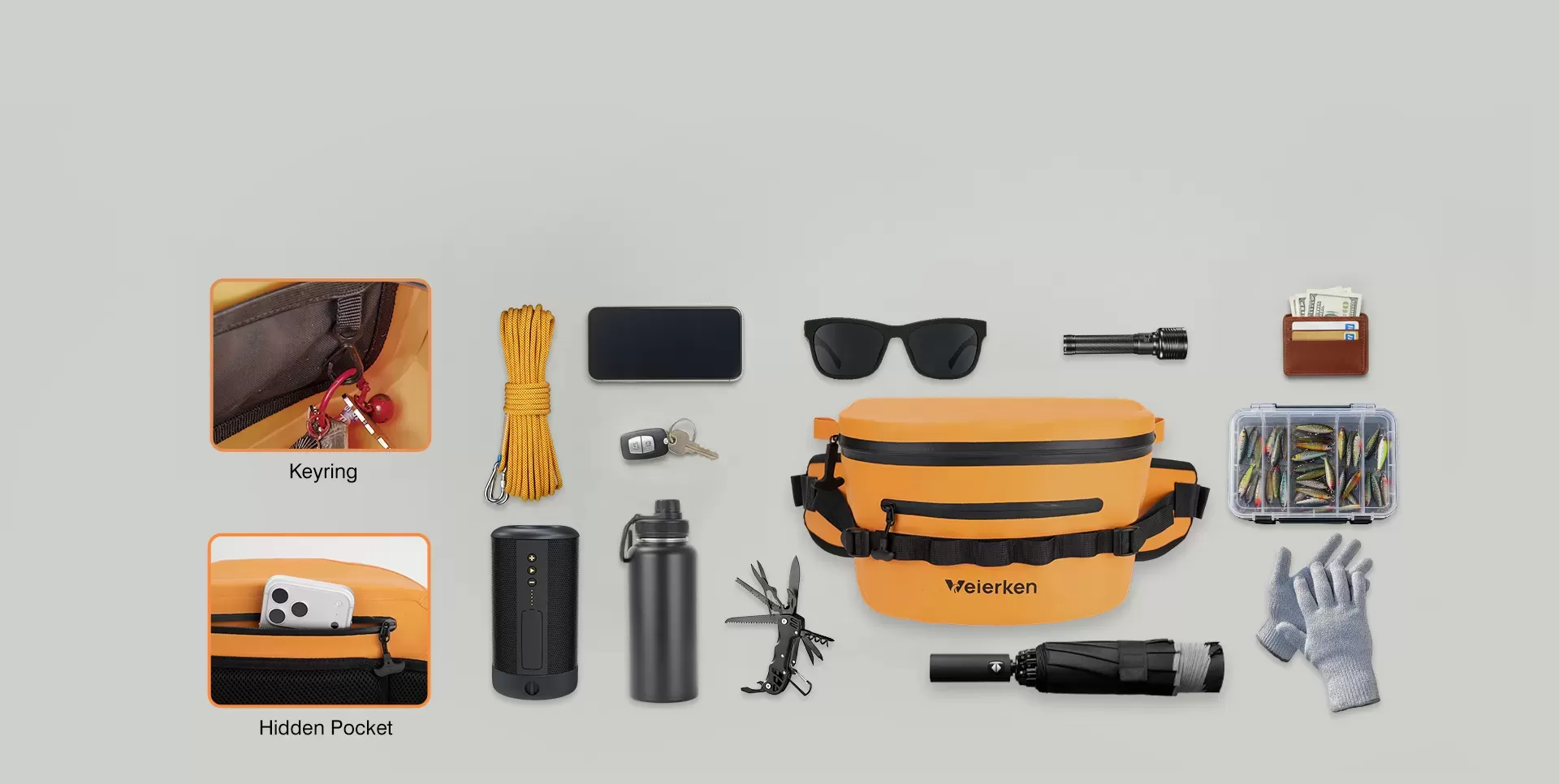
Every brand wants something unique. Perhaps you need an external mesh pocket for wet gear, or maybe a hidden pocket for a waterproof phone case. A versatile paddleboarding bag factory should have its own R&D department. They shouldn't just copy existing designs; they should offer technical design feedback to improve your concept.
Challenge the factory's engineering team. Ask them: "How would you integrate a dry-wet separation compartment without compromising the main bag's buoyancy?" Their answer will tell you if they are just assemblers or true technical bag manufacturers. A good paddleboarding bag factory will have a dedicated sample room and structural engineers who can turn a sketch into a functional prototype within 7 to 10 days.
Check their previous ODM projects. Look for complex features like ergonomic back panels, integrated paddle holders, and specialized ventilation systems. If they have experience with these features, they can help you optimize your custom paddleboard bag for better user comfort and functionality. This level of expertise is what makes a paddleboarding bag factory a long-term strategic partner rather than just a vendor.
6. Review Factory 5S and Needle Detection Protocols
The manufacturing environment says a lot about the final product. A messy paddleboarding bag factory is a factory that makes mistakes. Look for the 5S management system (Sort, Set in order, Shine, Standardize, Sustain). Clean floors and organized workstations reduce the risk of product contamination and fabric damage during the sewing and welding process.
A critical safety check is the broken needle management policy. In a paddleboarding bag factory, a stray needle fragment left inside a bag can cause injury to the end user or puncture an inflatable board. The factory must have a strict logbook where every broken needle is reconstructed to ensure no pieces are missing. They should also use industrial metal detectors on the final packing line.
Finally, ask to see the internal quality reports for the last quarter. Look at the trends for stitching defects, welding failures, and dimension inaccuracies. A paddleboarding bag factory that tracks these metrics is one that values continuous improvement. This data gives you a clear picture of their production stability and their commitment to delivering premium waterproof luggage.
Sourcing from a paddleboarding bag factory is a major investment. By focusing on technical fabric specs, seam integrity, and rigorous testing protocols, you can avoid the common pitfalls of the outdoor industry. A reliable partner like weierken offers the transparency and technical skill needed to produce world-class gear that stands up to the elements. Don't settle for a generic supplier when you can work with a specialized paddleboarding bag factory that understands the nuances of the sport.
Frequently Asked Questions
What is the best material for a paddleboard bag?
The industry standard for a high-quality paddleboarding bag factory is 500D to 1000D PVC Tarpaulin or TPU-coated Nylon. These materials offer the best balance between tear resistance and waterproof performance. TPU is more environmentally friendly and remains flexible in cold weather compared to PVC.
How long does it take for a paddleboarding bag factory to produce a bulk order?
Typically, mass production lead times range from 35 to 50 days after sample approval. This depends on the factory's production capacity and the complexity of the design. Custom hardware or specialized colors may extend this timeline.
Can a paddleboarding bag factory help with my logo branding?
Yes, most factories offer OEM branding services. This includes silk-screen printing, heat-transfer logos, or molded rubber patches. For waterproof bags, heat-transfer or silk-screen is preferred as it doesn't involve piercing the fabric with needles.
What is the difference between water-resistant and waterproof bags?
A water-resistant bag can withstand light rain but will leak if submerged. A fully waterproof bag from a professional paddleboarding bag factory uses air-tight zippers and welded seams, allowing the bag to be dropped in the water without the contents getting wet.
How do I verify a paddleboarding bag factory's certifications?
Ask for their ISO 9001 certification for quality management and BSCI or Sedex for social compliance. For the products, request REACH or RoHS reports to ensure the materials are free from harmful chemicals, which is crucial for international markets.
Contact Us
Are you looking for a dedicated paddleboarding bag factory to bring your next product line to life? At weierken, we specialize in high-performance waterproof gear and custom outdoor bags. Our team provides full ODM/OEM support, from initial concept to final quality-checked production.
Email: service@weierken.com
Website: www.weierken.com
Contact us today for a factory audit report or to request a custom quote for your paddleboarding bag project!

