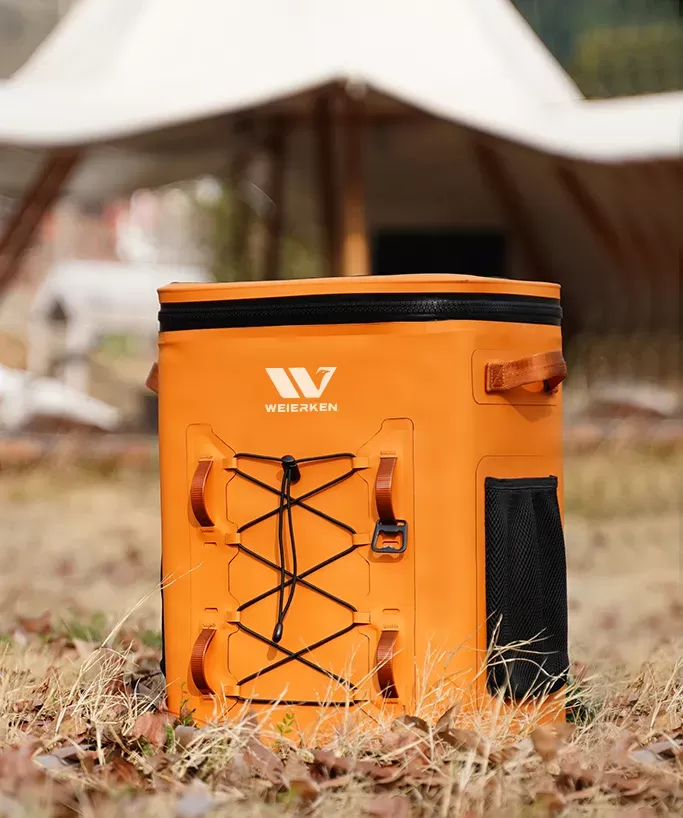

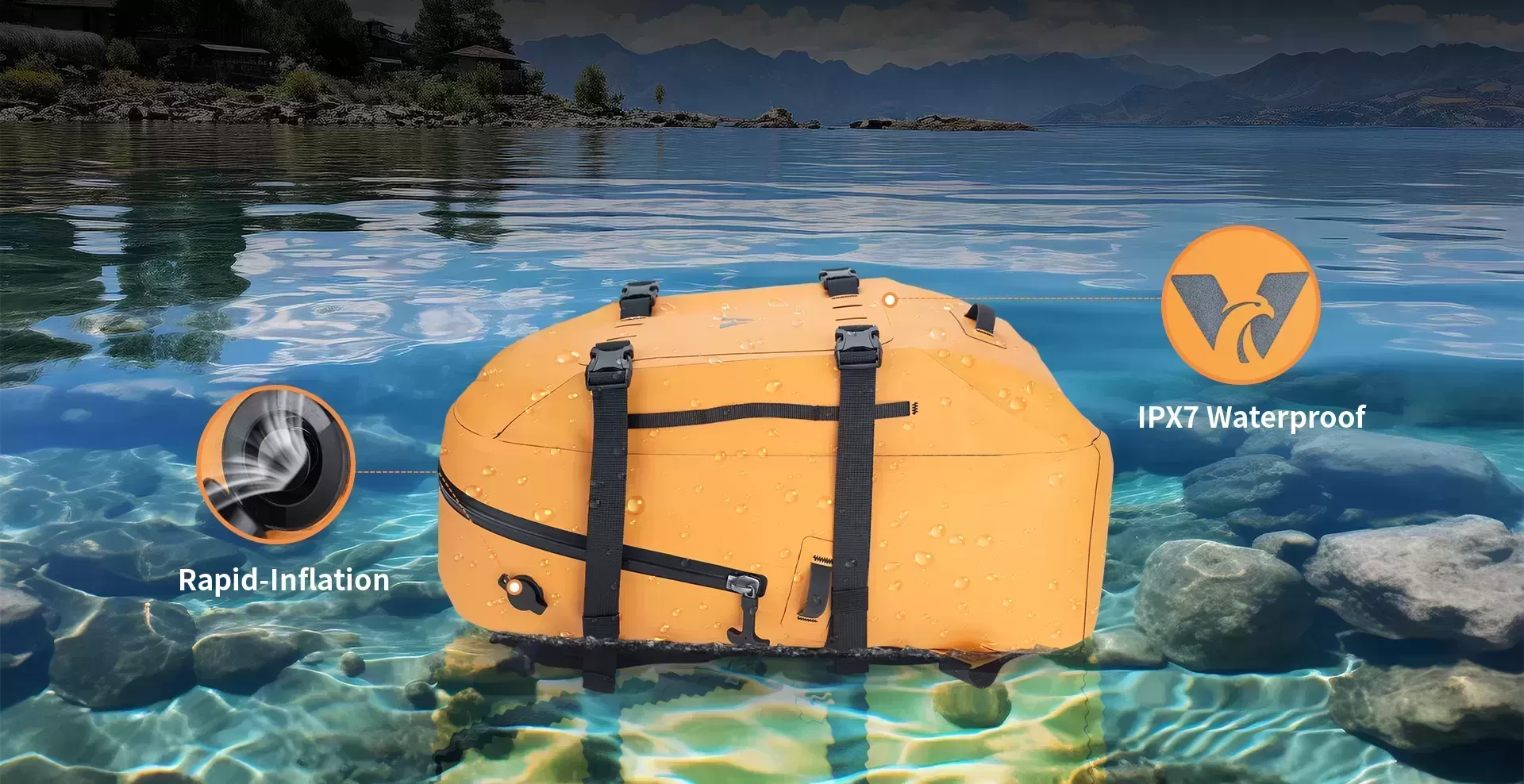
When you are sourcing gear for water sports or professional marine use, the stakes are higher than standard outdoor products. A mistake in the manufacturing process doesn't just lead to a return; it can lead to gear loss or safety hazards. Finding a reliable floatable backpack factory requires a technical eye. You need more than a supplier; you need a partner that understands the physics of buoyancy and the chemistry of airtight seals. Brands like weierken have built their reputation by strictly adhering to these engineering requirements, ensuring that every bag performs when it hits the water.
This checklist provides a structured framework for auditing a floatable backpack factory. By following these nine steps, you can filter out low-quality assemblers and find genuine manufacturers. We will focus on technical verification, material science, and the logistical realities of bulk ordering.
Step 1: Verify Buoyancy Design and Validation Capabilities
The core of any floatable backpack is the marriage between an airtight buoyancy chamber and a functional carry system. A true floatable backpack factory must prove they can calculate displacement. If you need a backpack to float 15kg of gear, the factory must provide a buoyancy calculation sheet. This sheet should detail the required air chamber volume and include a safety factor, typically 1.5 or higher. This ensures the bag stays afloat even if it is not perfectly packed.
Demand empirical test reports. These should include tests in both fresh and salt water. The factory should load the backpack with standard weights, seal it, and record its floating posture and duration. A quality product must remain afloat for at least 24 hours without significant sinking.
Safety Factors: Look for a 1.5 ratio to ensure reliability in turbulent water.
Multi-Chamber Designs: Ask if they can produce backpacks with redundant air cells.
Data Transparency: Reliable factories incorporate buoyancy tests into their routine QC and can provide raw data for every batch.
Step 2: Audit Waterproofing and Airtight Sealing Processes
If water enters the bag, buoyancy vanishes. During your factory tour or video audit, focus on the waterproof dry bag manufacturing area. You should see high-frequency welding or RF welding machines. Traditional stitching is a disqualifier for the main waterproof compartment. Sewing creates thousands of tiny holes that air and water will eventually penetrate. A professional factory will demonstrate double-layer heat sealing or ultrasonic welding techniques.
Check the closure systems. A floatable backpack factory must use airtight waterproof zippers (like TiZip) or specialized roll-top designs with reinforced stiffeners. Standard "water-resistant" zippers will fail under the hydrostatic pressure of being submerged.
Critical QC Points for Sealing:
Process Logs: Request IPQC records showing real-time temperature, pressure, and dwell time for welding.
Airtightness Test: Every finished bag should undergo a 100% inflation test. The bag is inflated to 5kPa and left for one hour. A pressure drop of less than 5% is the pass mark.
Bubble Test: Submerge an inflated bag in water for 30 seconds. Zero bubbles means a perfect hermetic seal.
Step 3: Evaluate Material Selection and Weather Resistance
Floatable backpacks endure harsh environments. They sit on hot boat decks, get sprayed with salt water, and dragged across sand. The Outdoor gear supplier must use materials that resist UV degradation and hydrolysis. Common high-tier choices include 1000D Cordura nylon with TPU lamination or heavy-duty PVC tarpaulin. TPU is often preferred for Custom floatable backpacks because it stays flexible in the cold and is more environmentally friendly.
The heat-sealing tape must be chemically compatible with the base fabric. Using a PVC tape on a TPU bag will lead to delamination. Ensure the factory has a strict IQC (Incoming Quality Control) process for all raw materials. They should provide specification sheets from their material suppliers and third-party aging reports from labs like SGS or TÜV.
B2B Action: Request an artificial aging report. The fabric should retain at least 80% of its tear strength after 500 hours of UV exposure and 96 hours of salt spray testing. Weierken maintains high standards here to ensure their bags don't crack or peel after one season of use.
Step 4: Inspect Physical Durability and Damage Resistance
A backpack that punctures on a rock is no longer floatable. You need to verify the puncture and tear strength of the finished product. According to ASTM D4833, a high-quality floatable backpack factory should achieve a puncture resistance of 50N or higher. For context, a standard nylon backpack usually sits around 20N.
Tear strength should be tested using the trapezoidal method, aiming for at least 120N in both directions. Furthermore, the shoulder strap attachment strength is a common failure point. A professional factory will use a tensile tester to ensure the straps can hold at least 150kg of force for one minute without tearing away from the bag body. This durability is what separates professional gear from consumer-grade toys.
Step 5: Define MOQ and Flexible Production Strategies
For B2B buyers, inventory management is as important as product quality. You need a floatable backpack factory that offers a clear and flexible MOQ (Minimum Order Quantity) policy. While standard runs usually require 500 to 1,000 units, many top-tier factories will offer a "trial order" tier of 300 pieces to help you test the market.
When negotiating, ask specifically about "mixed batches." Can you order the same design in three different colors to meet the MOQ? How does the unit price change if you drop from 1,000 pieces to 300? A reliable factory will give you a transparent price ladder rather than a vague estimate. They should also clarify any extra costs for custom molds or specialized zippers used in Custom floatable backpacks.
Step 6: Confirm Lead Time and Capacity Elasticity
Missing a summer sales window because of production delays can be devastating. You must verify the factory's lead time. Typically, sampling takes 7 to 10 days, while mass production should take 15 to 25 days. Ask about their peak season capacity. From May to August, water sports demand spikes. Does the factory have backup production lines or a reliable network of audited partners to handle overflow?
Transparency is the best way to manage lead times. Does the floatable backpack factory provide a digital production schedule or weekly progress reports? Many modern facilities now offer video inspections, allowing you to see your order on the assembly line without flying to the factory. Check their historical data; an on-time delivery rate of 95% or higher is the industry gold standard.
Step 7: Deep Audit of the QC (Quality Control) System
Safety-critical products require a rigorous QC hierarchy. An audit should look for three distinct stages of inspection. First is IQC, where every batch of fabric, zipper, and buckle is sampled. Second is IPQC, where the first piece of every shift is tested for airtightness. Third is OQC, the final check before the bags are boxed.
Traceability is the hallmark of a mature floatable backpack factory. Each backpack should have a unique serial number or batch code. This code should allow the factory to trace the bag back to the production date, the specific welding machine used, and the QC inspector who signed off on it. Weierken utilizes this type of system to maintain accountability throughout the manufacturing chain.
AQL Standards: Ensure they use at least AQL 1.0 for critical defects (like leaks).
Third-Party Audits: Has the factory passed ISO 9001, BSCI, or Sedex audits?
Record Keeping: Ask to see the last three months of "non-conformity reports" to see how they handle mistakes.
Step 8: Evaluate ODM/OEM Customization Capabilities
Most bulk buyers need branding. This is where OEM/ODM customization comes in. Can the factory create a 1:1 physical sample from a tech pack in under a week? This sample should not just look like the design; it should be fully functional, including buoyancy and waterproof tests.
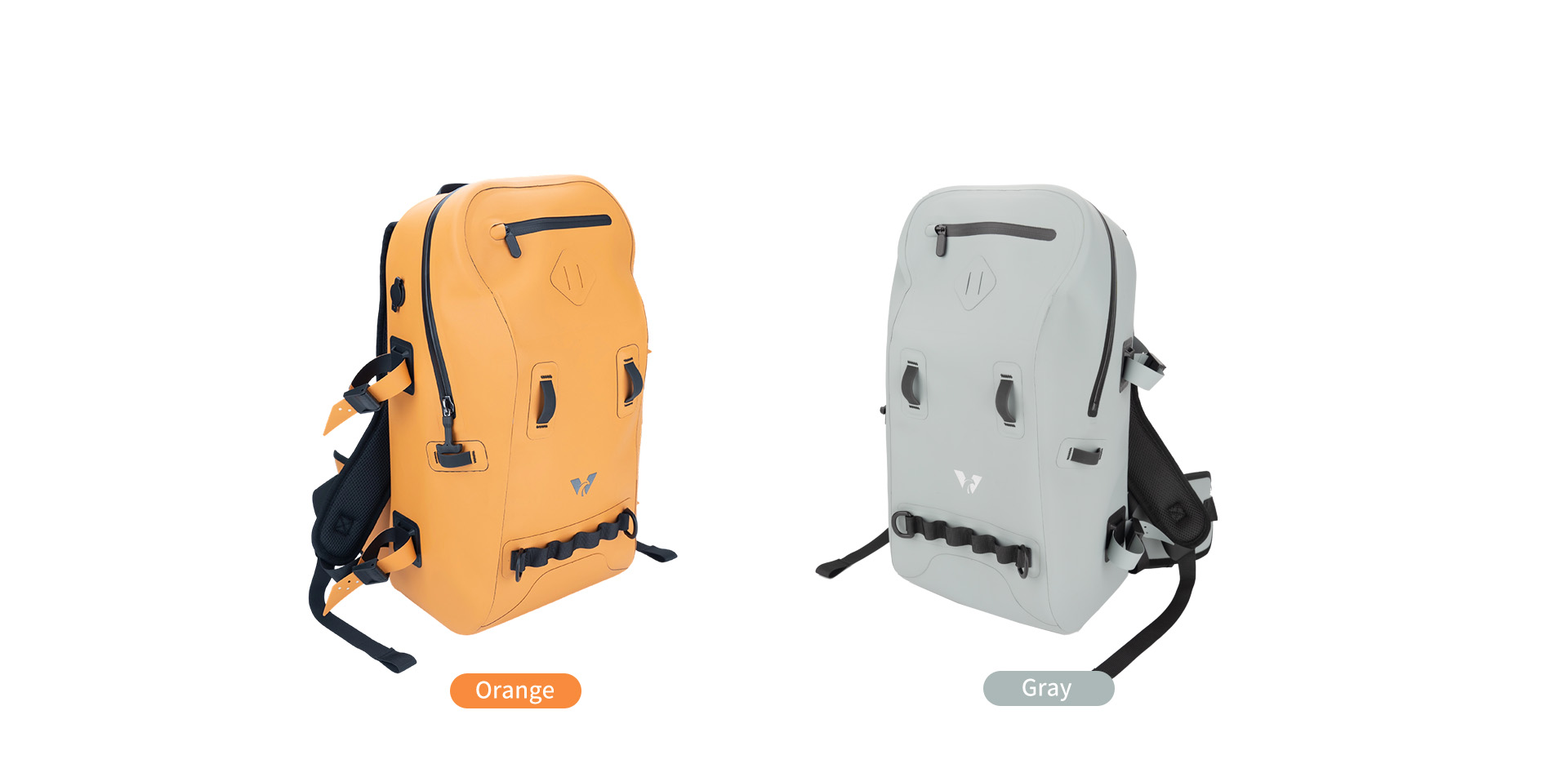
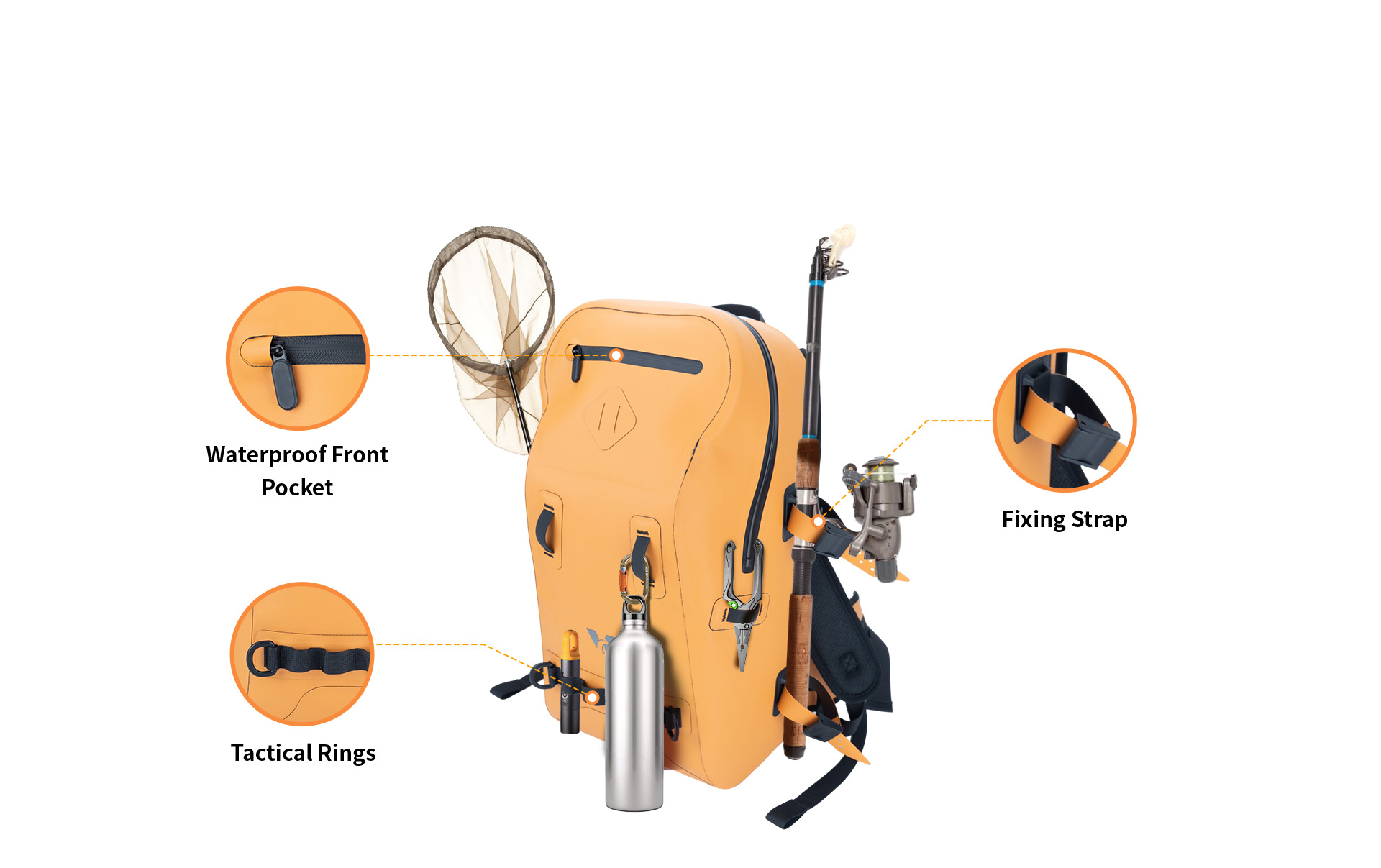
Check their functional "library." Can they add specialized features like drainage valves, transparent map pockets, MOLLE webbing, or hydration bladder ports? Since floatable backpack factory work often involves custom molds for welding, ask if they have an in-house mold-making department. This significantly reduces costs and development time for unique shapes or features. For branding, confirm they offer heat transfer, screen printing, and laser engraving with tested colorfastness.
Step 9: Verify Certifications and After-Sales Guarantees
Finally, ensure the products meet the legal requirements of your target market. If the bags are used for maritime work, they may need to comply with ISO 12402 or UL 1180. Even if not mandatory, a factory that follows these standards shows a commitment to excellence. You should also check for chemical compliance like REACH or California Prop 65.
A professional floatable backpack factory stands behind its work. What is their policy on defective units found after delivery? Usually, they should offer a free replacement or credit for any quality issues reported within 30 to 60 days of arrival. Long-term partners will also offer a warranty on buoyancy retention, ensuring the seals don't fail after a few months of storage. Ensure these terms are written into your purchase agreement to protect your investment.
In conclusion, choosing a partner like weierken ensures that your products meet the highest standards of the waterproof dry bag manufacturing industry. By using this 9-step checklist, you move away from risky suppliers and toward a professional manufacturing relationship built on data and trust.
Frequently Asked Questions (FAQ)
1. Why is high-frequency welding better than sewing for floatable backpacks?
Sewing creates holes in the fabric, which allows air to escape and water to seep in. High-frequency welding uses electromagnetic energy to fuse the material molecules together, creating a permanent, airtight bond that is stronger than the fabric itself. This is essential for maintaining buoyancy.
2. Can a floatable backpack be used as a life-saving device?
While many floatable backpacks provide significant lift, they are generally classified as buoyancy aids rather than life jackets unless they meet specific certifications like ISO 12402. Always check with your floatable backpack factory about the intended use and certification level of the specific model.
3. How do I know if the factory is using real TPU or cheap PVC?
TPU is generally more flexible, has a smoother "rubbery" feel, and does not have the strong chemical smell often associated with PVC. You can also request a material composition report or a burn test result from the Outdoor gear supplier to verify the polymer type.
4. What is the standard pressure for an airtightness test?
The industry standard is usually around 5kPa (kilopascals). The bag is inflated to this pressure and monitored for 60 minutes. If the pressure drops by more than 5%, it indicates a micro-leak in the seams or the airtight buoyancy chamber.
5. How can I reduce the MOQ for a custom design?
The best way to reduce MOQ is to use "stock" colors for the main fabric. Factories usually require high MOQs for custom-dyed materials. By using standard colors and focusing your Custom floatable backpacks customization on logos, straps, and buckles, you can often negotiate a lower starting quantity.
Do you need a reliable manufacturing partner for your next project? At Weierken, we specialize in high-performance waterproof gear and airtight buoyancy solutions. Whether you need a trial order or full-scale mass production, our team is ready to provide the technical support you need.
Contact us today for a free technical consultation and a competitive quote on your bulk order!