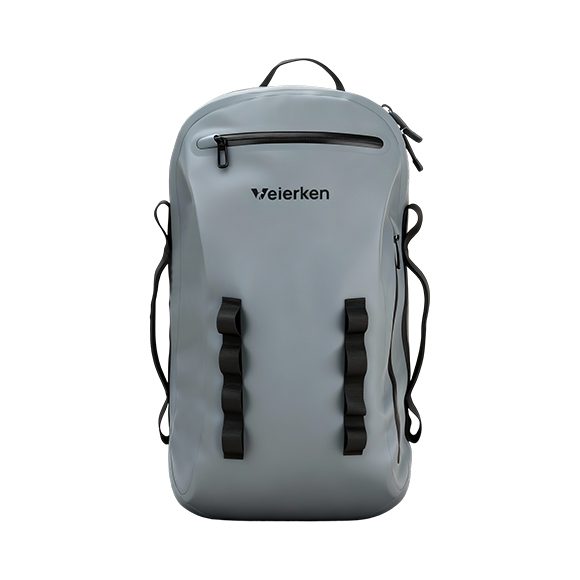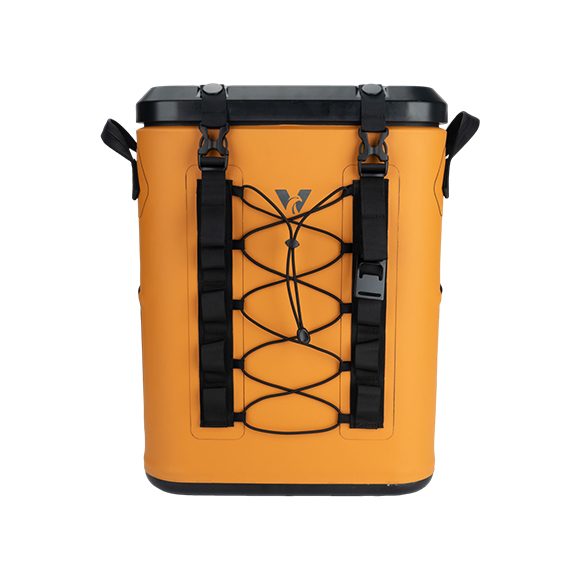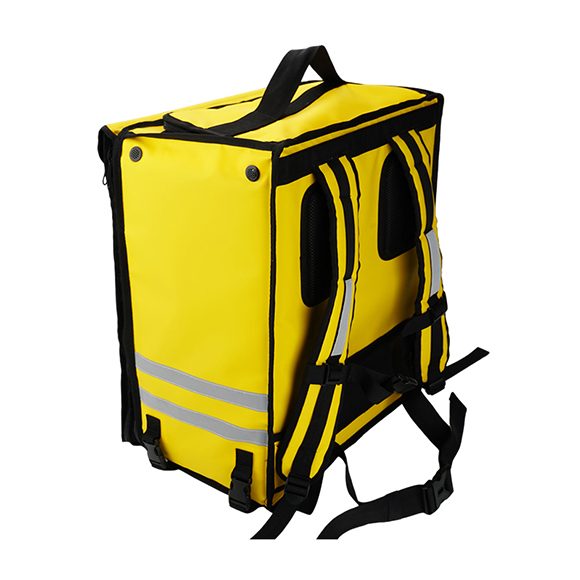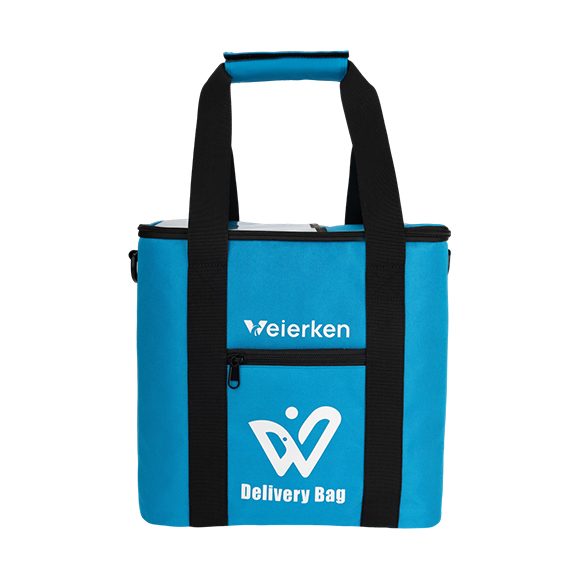
Transporting fresh meat presents extreme challenges for cold chain logistics. You cannot treat raw poultry, beef, or pork like standard dry cargo. Delivery bags must maintain a strict 0-4℃ refrigerated environment to prevent dangerous bacterial growth and food spoilage. They also face constant exposure to blood seepage, animal grease, and the physical wear of frequent handling.
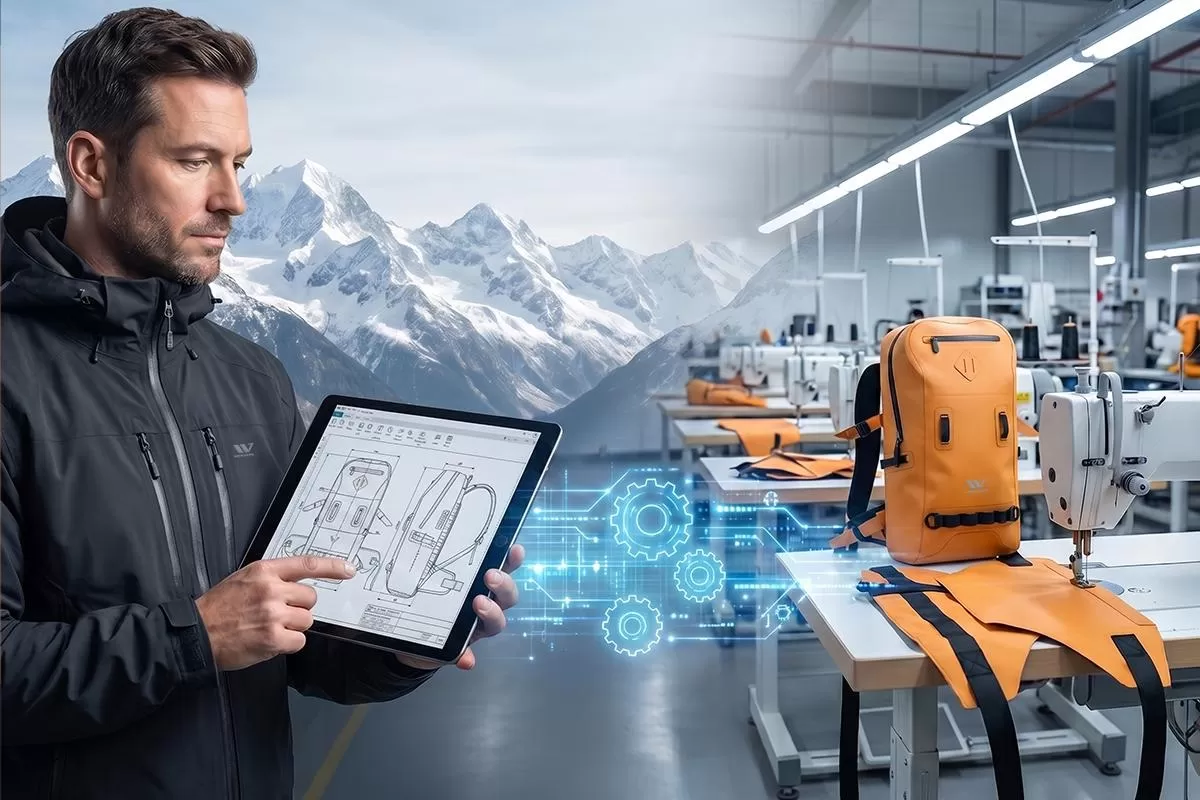
Standard insulated bags simply cannot survive this brutal environment. As a B2B procurement officer for a logistics company or supermarket chain, you need gear that withstands these harsh, unsanitary conditions. A professional meat delivery bag fabricator relies on advanced manufacturing techniques to ensure product reliability.
Brands like weierken understand that traditional sewing methods fail miserably in the fresh meat industry. Needles create holes, and holes lead to leaks. To guarantee safety, hygiene, and durability, a specialized meat delivery bag fabricator utilizes three core insulation and construction technologies.
Here is exactly how top manufacturers build bags to withstand the demanding realities of fresh food logistics.

Technology 1: Multi-Layer Composite Insulation Structure
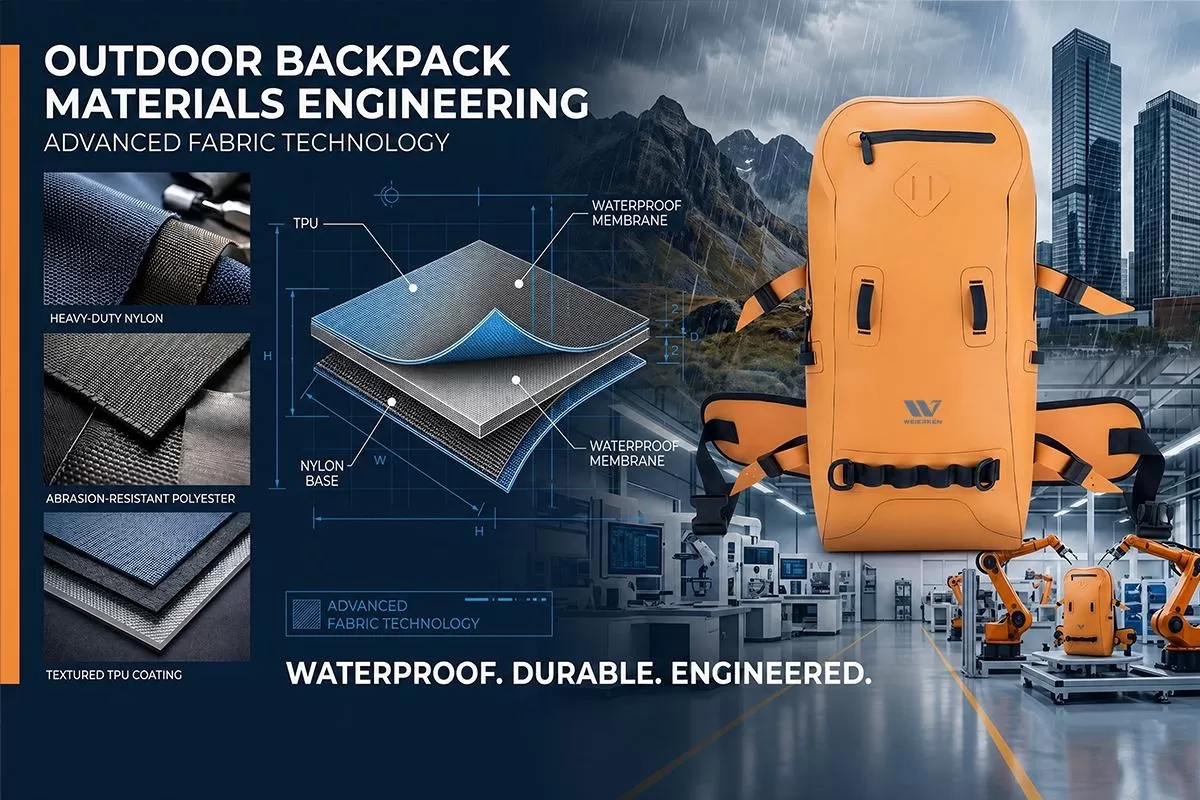
The foundation of any high-performance delivery equipment is its material composition. A competent meat delivery bag fabricator never relies on a single layer of fabric. They laminate multiple functional materials together. This creates a highly engineered multi-layered structure that offers external protection, internal insulation, and leak-proof safety.
Technical Principles of Layering
Manufacturers carefully select materials for three distinct zones of the bag.
- Outer Layer: Manufacturers must protect the bag from the rough handling of delivery drivers. They use high-density polyester oxford cloth or heavy-duty nylon. This provides excellent tear resistance against sharp edges. Factories also apply a DWR (Durable Water Repellent) coating to shed rain and external moisture.
- Middle Layer: This acts as the core insulation barrier. Factories use high-density PE cotton, EVA foam, or thick Polyurethane (PU) insulation. For extreme temperature control, a top-tier meat delivery bag fabricator integrates aluminum foil reflective layers or VIP (Vacuum Insulation Panel) boards to actively block heat transfer.
- Inner Layer: The material touching the meat packaging requires strict compliance with health codes. Factories use food-grade PEVA, TPU-coated fabrics, or oil-resistant PVC. These materials must resist punctures from sharp animal bones and comply with strict food contact safety standards.
Value for Meat Delivery Scenarios
This robust multi-layer structure provides massive operational advantages.
- It maintains a strict 0-4℃ refrigerated environment for extended periods, perfectly suiting the distribution needs of chilled meat across long routes.
- The multi-layer design effectively blocks external summer heat while trapping the internal cold air generated by ice packs.
- The leak-proof inner layer handles blood and juice seepage flawlessly. It prevents foul-smelling liquids from ruining delivery vehicles and contaminating driver uniforms.
Technology 2: Seamless Welding and Seam Sealing
Even the best waterproof fabric becomes useless if the factory connects the panels poorly. Traditional sewing creates thousands of tiny needle holes. These holes act as direct leak points for liquids and entry points for dangerous bacteria. An expert meat delivery bag fabricator solves this structural flaw through advanced sealing technologies.
Technical Principles of Sealing
Factories replace traditional needles and thread with heat and pressure.
- High-Frequency (HF) Welding: This advanced process uses a high-frequency electromagnetic field. It generates internal heat within the material molecules themselves. The materials melt and fuse under heavy mechanical pressure, creating a seamless, completely pinhole-free welded joint.
- Hot Air Taping: In areas where sewing remains necessary, manufacturers apply waterproof hot melt adhesive tape over the stitching lines. A specialized machine blows hot air to melt the tape, forcing the adhesive directly into the needle holes. It forms an impenetrable seal upon cooling.
- Ultrasonic Welding: This technique utilizes high-frequency acoustic vibrations. It creates solid-state welds through rapid surface friction. A modern meat delivery bag fabricator uses this method for thinner, highly technical waterproof materials.
Value for Meat Delivery Scenarios
These precise sealing methods transform the hygiene standards of your operation.
- They completely eliminate the risk of blood and raw meat juices leaking through the seams, keeping delivery vehicles spotless.
- The welded seams offer exceptionally high structural strength. They withstand the repeated folding, tossing, and heavy loading that happens during high-frequency delivery runs.
- Smooth, seamless inner walls make daily cleaning effortless. Delivery staff can simply wipe down or hose out the interior, preventing the dangerous buildup of salmonella and listeria.

Technology 3: Heat Press Molding and 3D Shaping
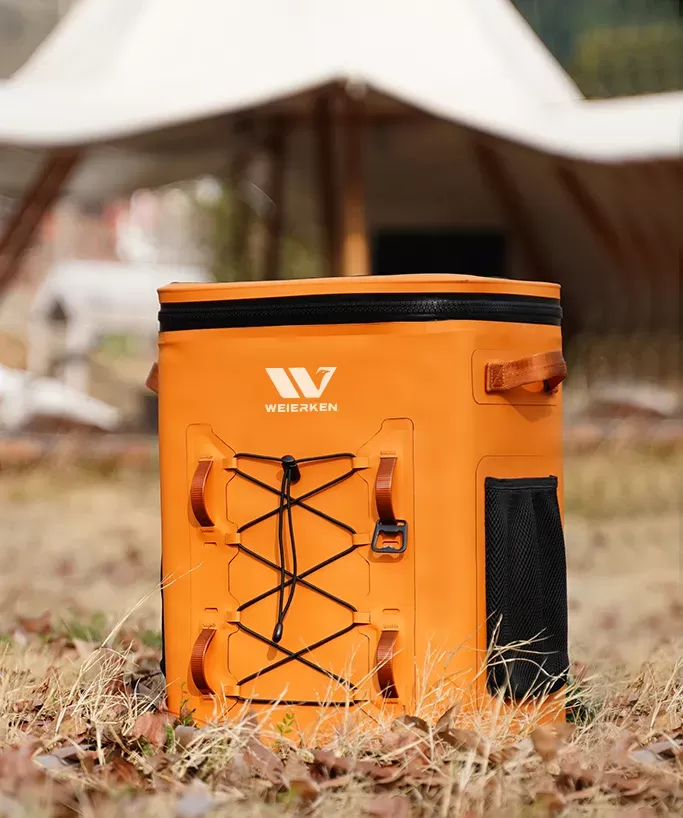
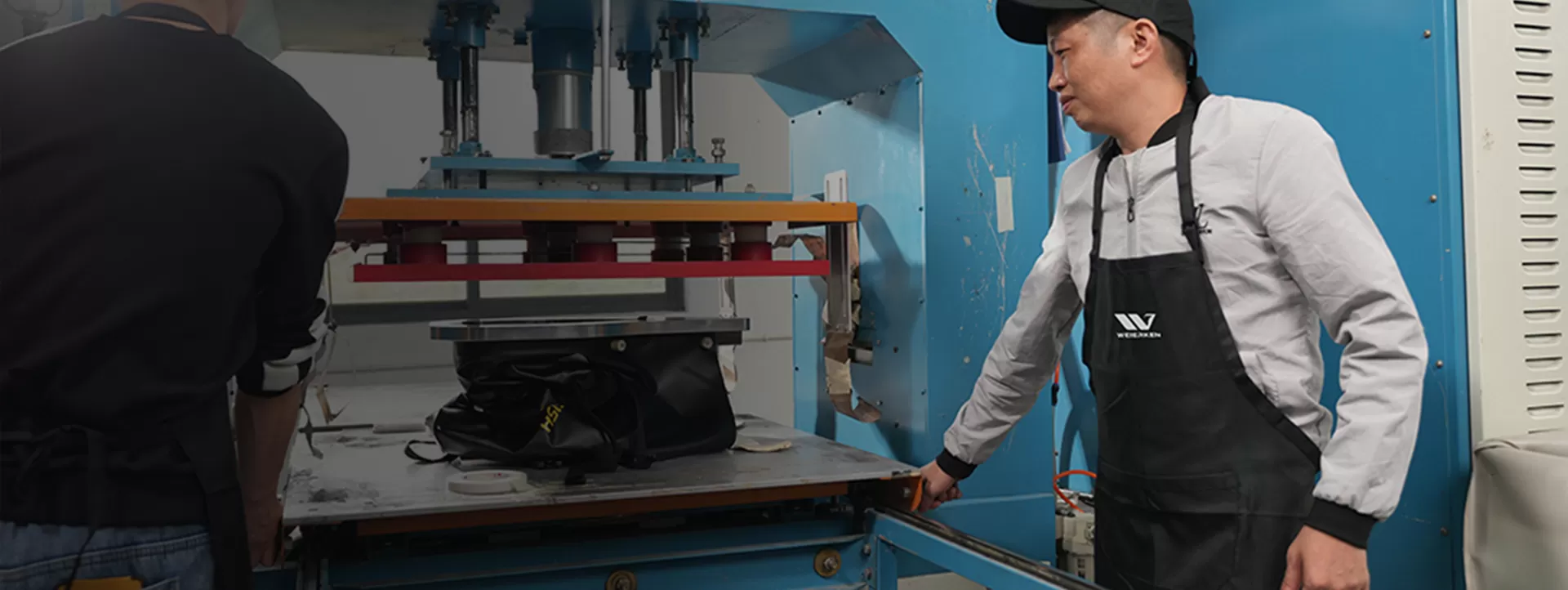
Many standard bags collapse when empty or bulge awkwardly when stuffed with irregular meat cuts. A high-end meat cooler bag manufacturer uses heat press molding to create a rigid, self-supporting structure. This process involves applying extreme temperatures and immense pressure to the multi-layer materials.
Technical Principles of Molding
This technique requires heavy industrial machinery and custom tooling.
- Mold Design: Engineers design custom aluminum or steel molds equipped with built-in heating elements. These metal molds dictate the precise final dimensions, curves, and shape of the delivery bag.
- Layer Stacking: Factory workers carefully stack the outer fabric, the thick insulation core, and the inner liner directly inside the mold cavity.
- Heat Pressing: The heavy machinery closes the mold, applying intense heat and metric tons of pressure. The materials fuse together at the edges and form a rigid 3D cavity in a single, continuous step.
- Cooling and Setting: The machine maintains the high pressure while rapidly cooling the mold. This process solidifies the structure and ensures the bag retains its shape permanently.
Value for Meat Delivery Scenarios
Molded structures offer superior logistics efficiency for B2B fleets.
- This one-piece construction drastically reduces the number of fabric cuts and connection points. It lowers the risk of fluid leakage to near zero.
- The structured 3D interior provides a perfectly uniform square space. Delivery drivers can easily stack standard meat boxes and plastic trays, maximizing the internal payload volume.
- Smooth, rounded corners replace sharp dead angles inside the bag. This specific design prevents dirt accumulation and makes daily pressure washing highly efficient.
- The overall structure boasts excellent compressive strength. The bags resist crushing and deformation, making them perfectly suited for pallet stacking.
The Synergy of the Three Technologies
A professional meat delivery bag fabricator, such as weierken, rarely relies on just one method. They combine these three distinct technologies to engineer the ultimate cold chain solution for their B2B clients.
- The multi-layer composite structure establishes the baseline thermal performance and physical abrasion resistance against sharp bones.
- Seamless welding and hot air taping guarantee absolute leak prevention at any necessary joints, corners, or zippers.
- Heat press molding enhances the overall structural integrity, ensuring the bag holds heavy meat loads without tearing or sagging.
Together, these integrated processes create a heavy-duty asset. This asset protects your expensive meat products, satisfies health inspectors, and guards your business reputation.
Actionable Advice for B2B Clients
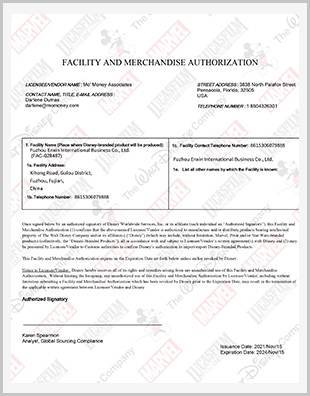
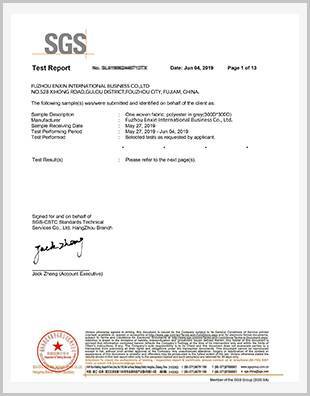
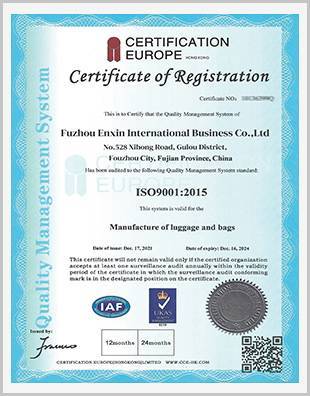
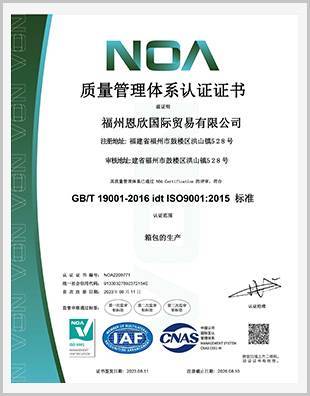
When evaluating a new custom meat transport bag supplier, you must demand concrete proof of their manufacturing capabilities. Protect your supply chain and your procurement budget by following these specific validation steps.
- Request Process Documentation: Ask potential manufacturers to explain their core production processes in writing. A legitimate meat delivery bag fabricator will gladly provide details on their material layer structures, welding methods, and mold designs.
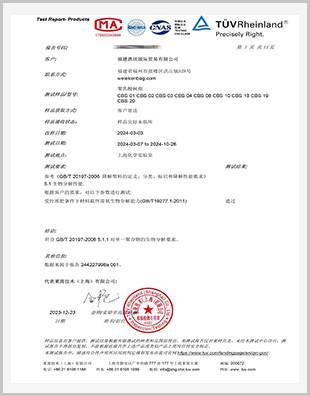
- Demand Formal Test Reports: Do not accept verbal promises regarding temperature control. Request formal thermal performance test reports, such as the ASTM D3103 standard. Ask for dye penetration test results to verify leak resistance.
- Validate Physical Samples: Always order physical prototypes before committing to a bulk order. Inspect the smoothness of the inner walls. Check the welded seam seals manually and test the bottom load-bearing capacity by filling it with actual meat weights.
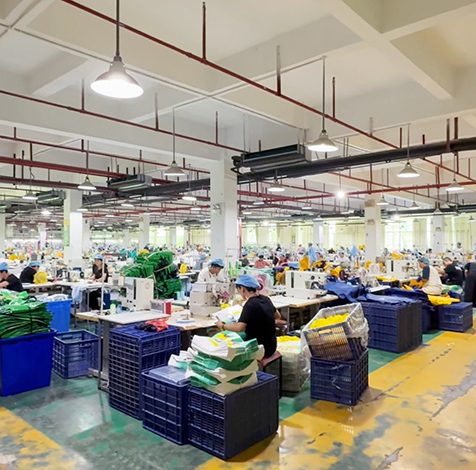
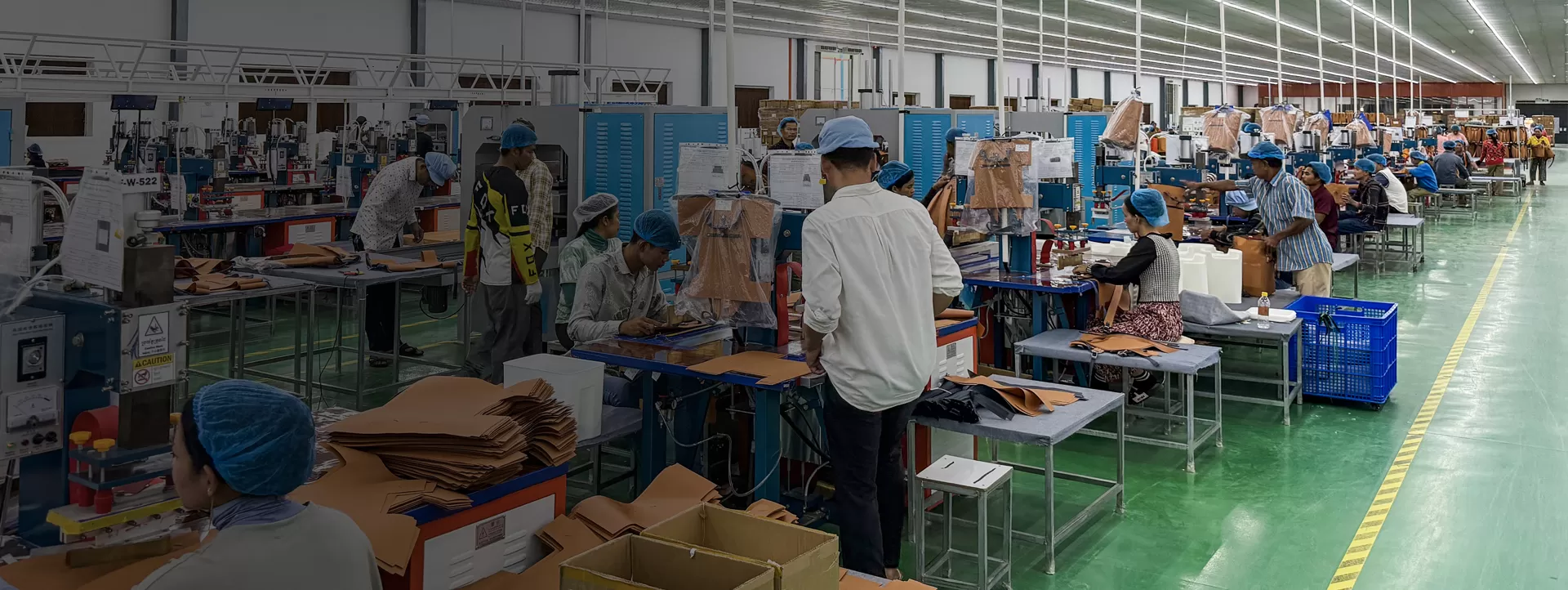
- Conduct a Factory Audit: If your budget permits, visit the production facility in person. Inspect their high-frequency welding machines, heat press molding lines, and quality control stations. You must ensure they possess genuine industrial manufacturing capacity.
Transporting raw meat requires highly specialized equipment. You cannot compromise on insulation, durability, or hygiene when public food safety is on the line. By understanding these three core manufacturing technologies, you can easily identify a qualified meat delivery bag fabricator.
Brands like weierken invest heavily in advanced welding, taping, and molding equipment. We engineer products that survive the demanding, messy realities of fresh food logistics. We keep your cargo at the perfect temperature and your delivery vehicles completely clean.
Ready to upgrade your cold chain logistics equipment?
Contact our B2B sales team today. Send us an inquiry with your dimensions and temperature requirements. Let us custom-manufacture the perfect leak-proof delivery solution for your logistics fleet
Frequently Asked Questions (FAQ)
1. Why should I choose a specialized meat delivery bag fabricator over a standard bag factory?
A specialized meat delivery bag fabricator uses high-frequency welding and food-grade materials designed for messy environments. Standard factories use traditional sewing machines, which leave thousands of needle holes in the fabric. Blood and meat juices will leak through those holes, causing contamination and severe odors in your delivery trucks.
2. What is the best inner lining material for meat transport bags?
The best materials are food-grade TPU (Thermoplastic Polyurethane) or heavy-duty PEVA. A premium meat delivery bag fabricator chooses these materials because they are completely waterproof, highly oil-resistant, and incredibly easy to sanitize with chemical cleaners after a long delivery run.
3. How does a meat delivery bag fabricator prove their bags will not leak?
A reliable meat delivery bag fabricator conducts strict dye penetration tests and hydrostatic pressure tests in their laboratory. They fill the interior of the bag with a colored liquid and apply pressure. This ensures no fluids escape through the welded seams, corners, or zipper tracks.
4. Can heat press molded bags hold up to heavy wholesale meat orders?
Yes, they excel at carrying heavy loads. The heat press molding process creates a rigid, unified structure by melting the layers together under pressure. This gives the bag excellent compressive strength, allowing you to stack multiple heavy meat boxes on top of each other without collapsing the bag.
5. Does a meat delivery bag fabricator offer custom sizing for specific meat crates?
Absolutely. An experienced meat delivery bag fabricator will design custom metal molds based on your specific plastic crate dimensions. This ensures a perfect fit, maximizes the cargo space in your delivery vehicles, and prevents the meat trays from shifting and spilling during transit.