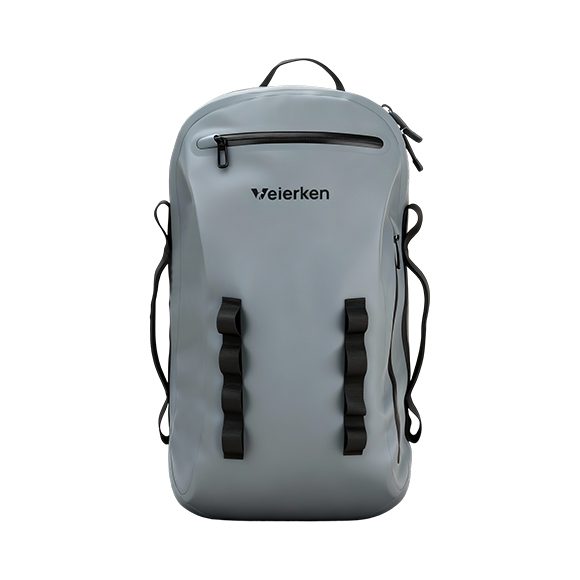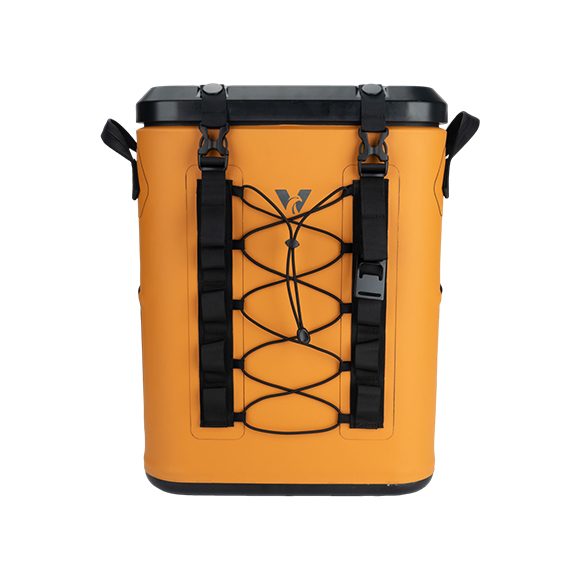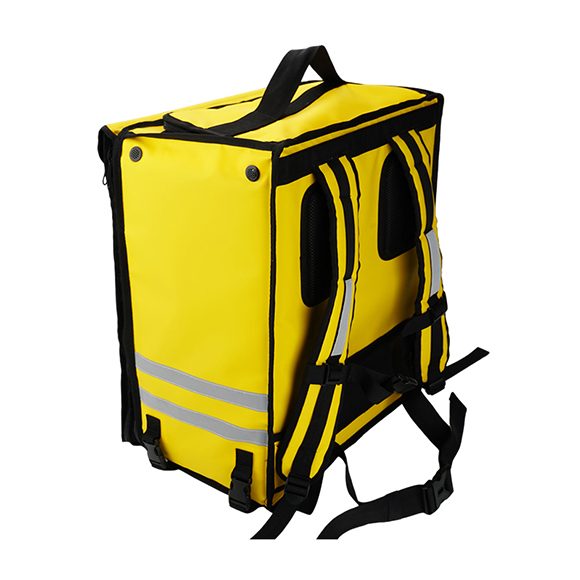
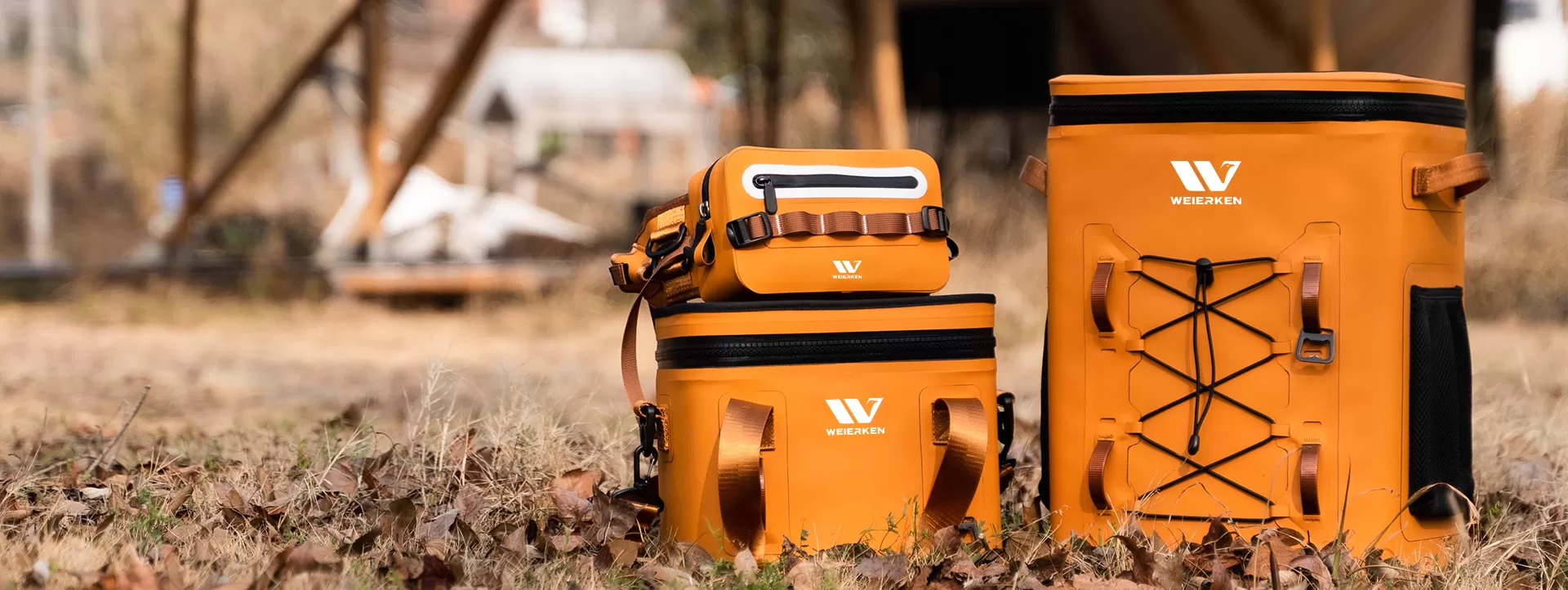
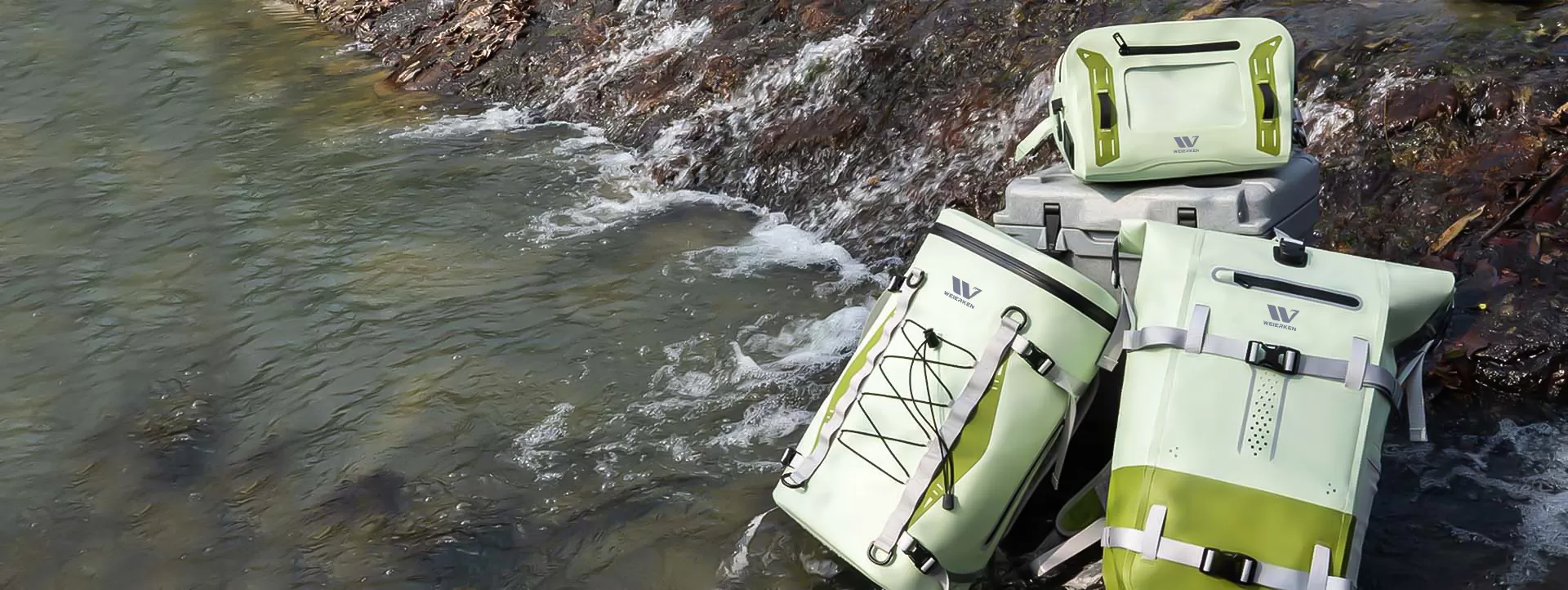
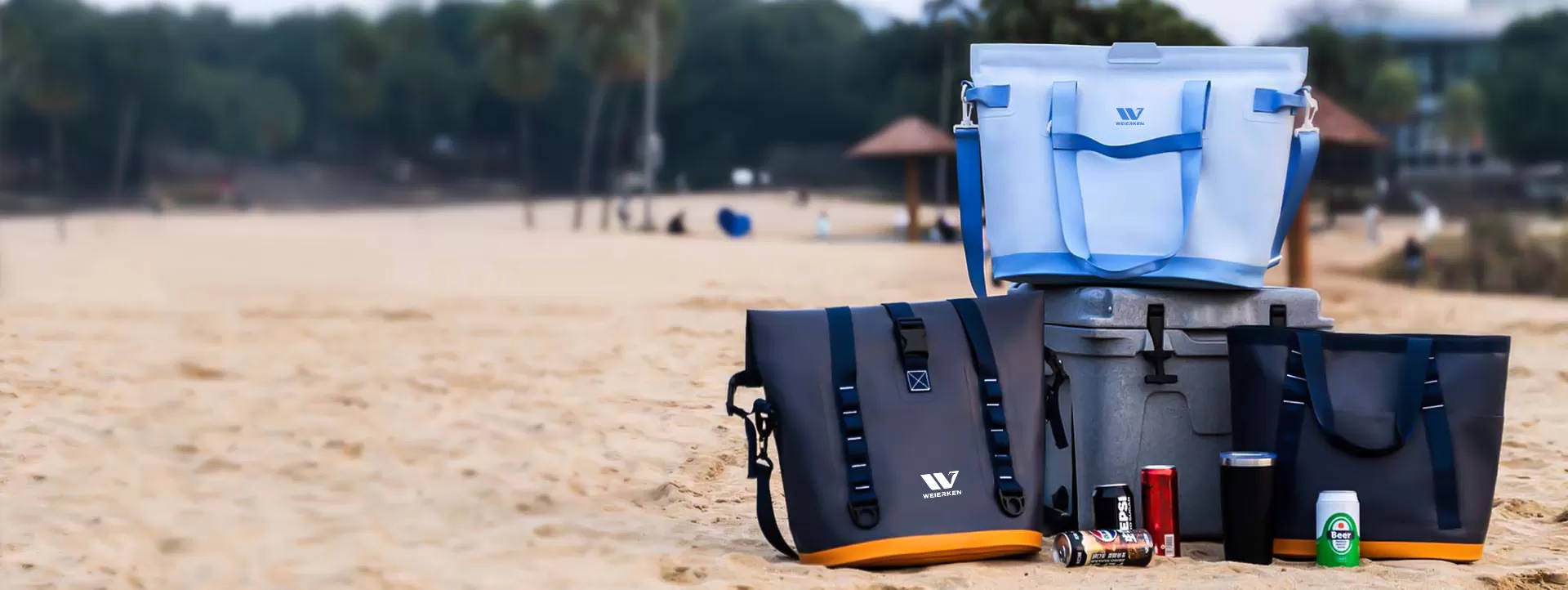
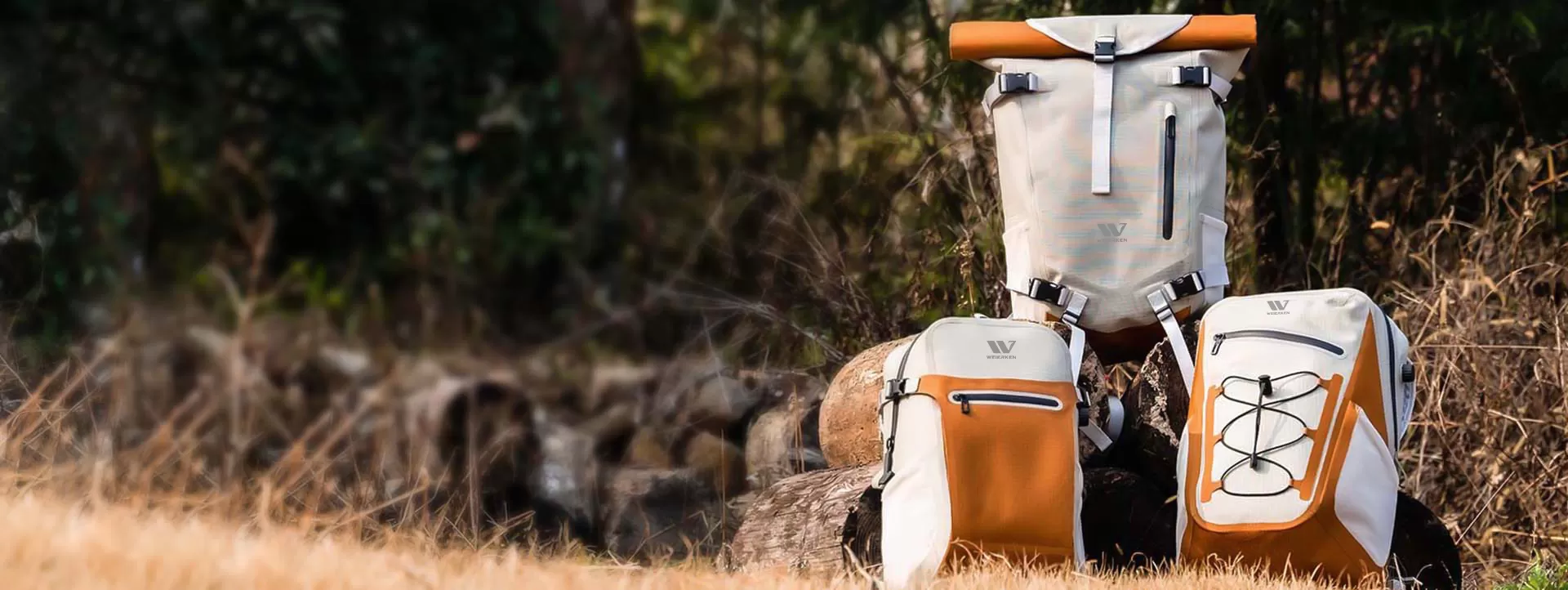
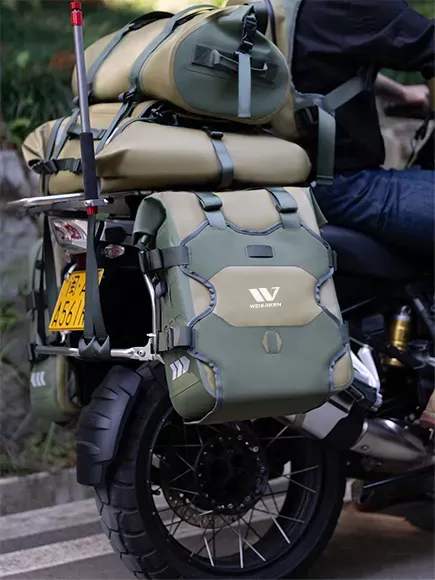
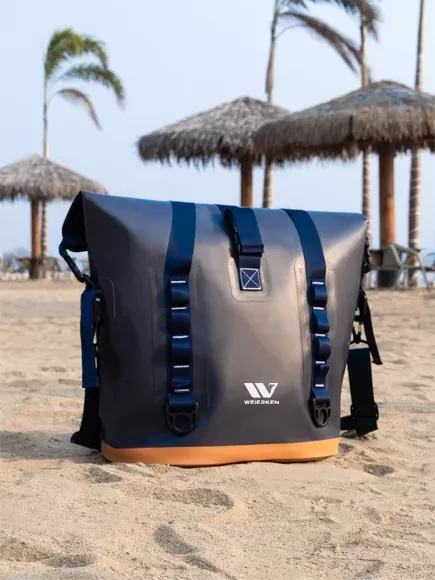
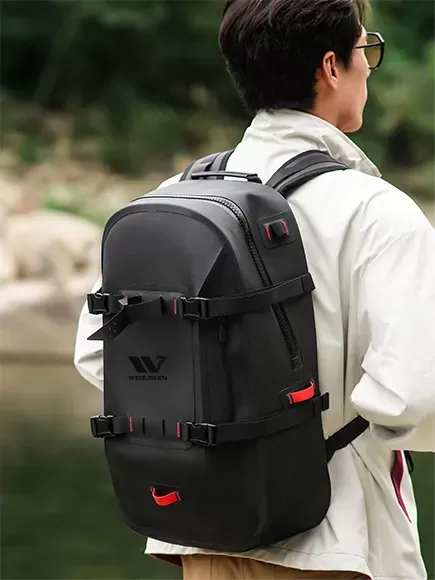
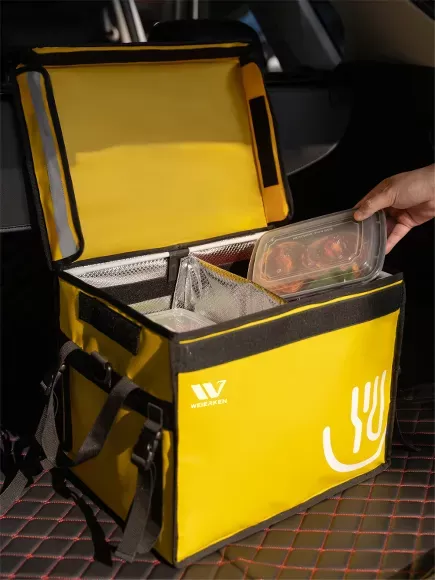
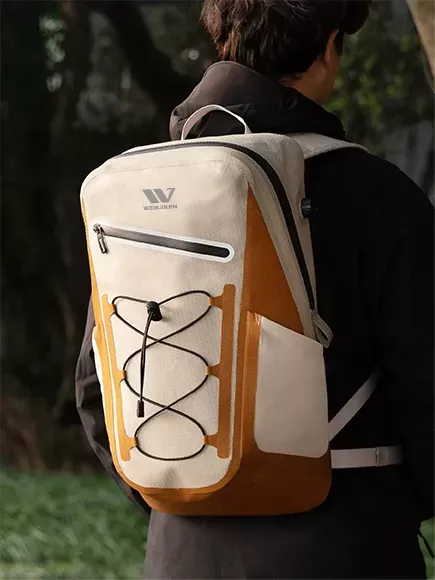
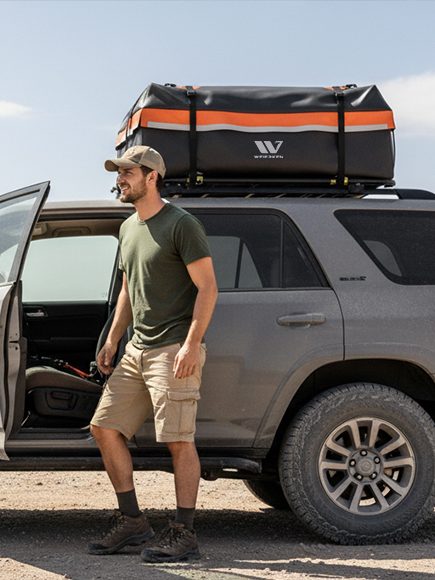
Water damages sensitive equipment incredibly fast. The ocean environment punishes gear with salt, heavy rain, and crashing waves. You need reliable waterproof protection to keep your electronics and supplies safe.
The International Electrotechnical Commission (IEC) created the IPX rating system to measure water resistance. The letters “IP” stand for Ingress Protection, while the “X” means the product has not been tested for solid dust particles. The final number indicates the exact level of liquid protection.
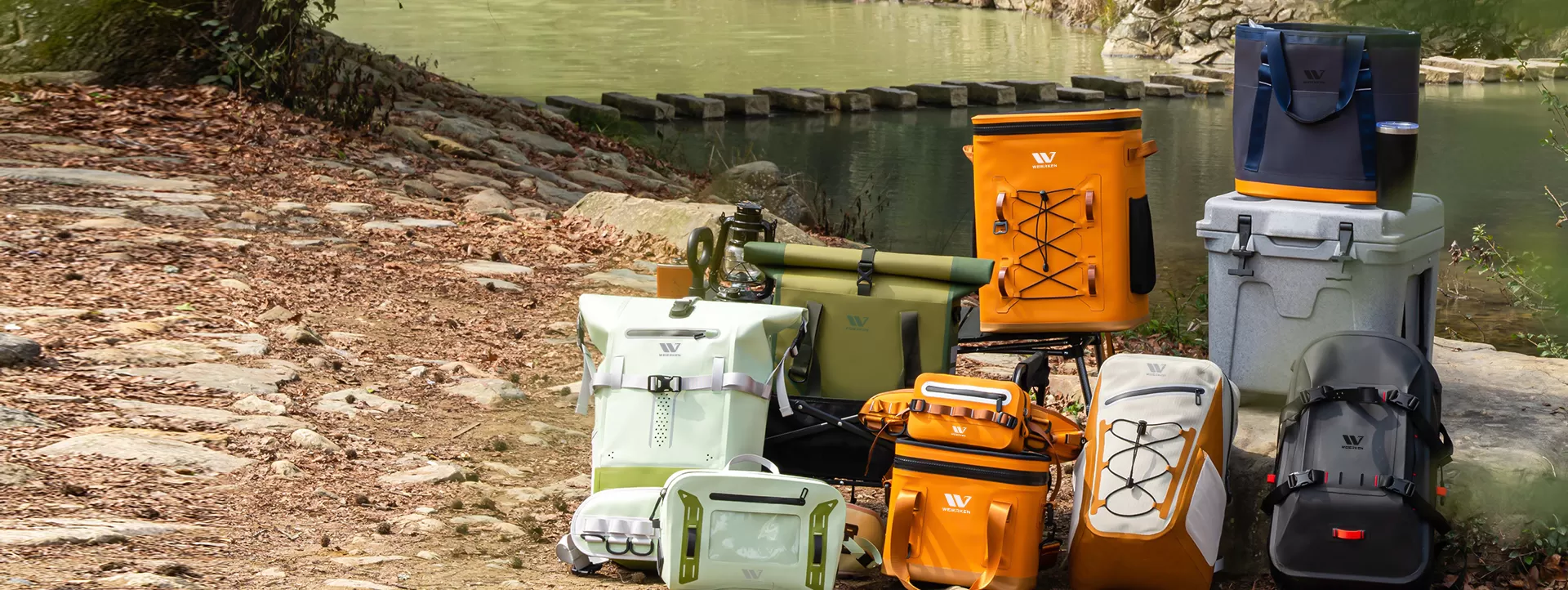
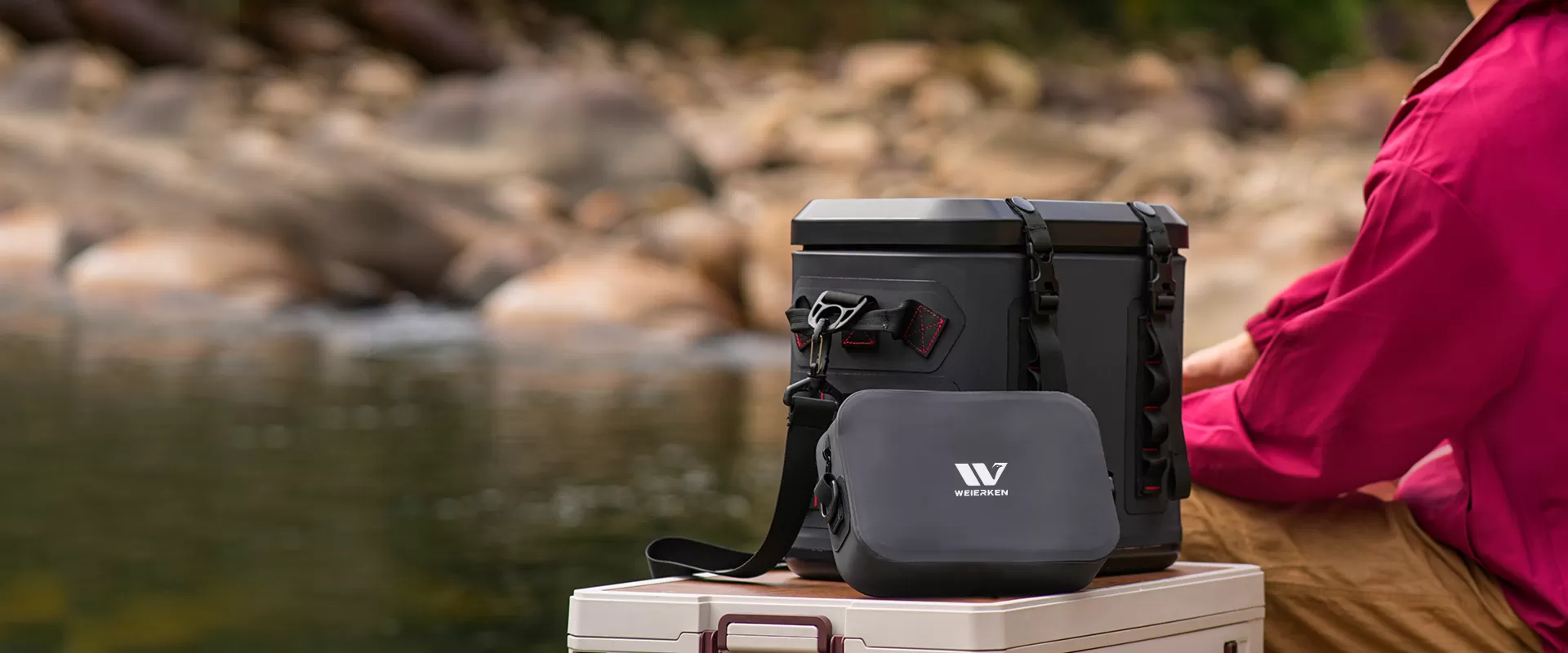
B2B buyers must understand these specific codes before placing bulk orders. Buying the wrong rating leads to damaged goods and unhappy retail customers. As an experienced marine bag fabricator, weierken understands exactly how crucial these ratings are. We design and manufacture heavy-duty gear that actually survives the unpredictable ocean environment.

What Are IPX Ratings in Marine Gear?
The IPX scale runs from zero to eight for most commercial applications. Each number corresponds to a highly specific laboratory test. A higher number generally means better water resistance.
However, not all ratings apply to the boating industry. A professional marine bag fabricator focuses primarily on IPX5 and above. Lower ratings simply cannot handle the aggressive nature of saltwater environments.
Let us break down exactly what each number means. We will explore how these laboratory tests translate to real-world marine applications.
Detailed Breakdown: IPX Levels and Marine Bag Applications
IPX0 to IPX2: No Protection to Light Drips
IPX0 means the product offers zero protection. You must keep these items in completely bone-dry environments. An IPX1 rating handles vertical water drops for ten minutes at a rate of 1mm per minute.
IPX2 resists vertical drips when the tester tilts the product at a 15-degree angle. They test the sample in four fixed positions. A dedicated marine bag fabricator completely ignores these levels for outdoor gear.
The ocean never stays perfectly flat, and water rarely falls straight down. You should never choose these low ratings for deck use. They only work for storage inside a climate-controlled, entirely dry boat cabin.
IPX3 to IPX4: Sprays and Splashes
IPX3 stops spraying water up to a 60-degree angle. Laboratory testers use oscillating tubes or handheld shower heads. They spray 10 liters of water per minute for ten full minutes.
IPX4 defends against water splashes from all directions. The testing method mirrors IPX3 but expands the spray angle to a full 360 degrees. This rating successfully handles light rain on a boat deck.
However, a responsible marine bag fabricator knows IPX4 fails against direct wave impacts. These waterproof marine bags work well for short speedboat trips. They also serve perfectly for carrying gear while walking along a marina dock.
IPX5: Low-Pressure Water Jets (Entry-Level Marine)
This rating serves as the true starting point for any serious marine bag fabricator. IPX5 gear resists low-pressure water jets from any direction without suffering harmful effects.
Testers shoot 12.5 liters of water per minute through a 6.3mm nozzle. They stand 2.5 to 3 meters away from the target. The spray test lasts for a minimum of three continuous minutes.
These custom boat bags easily survive crashing deck waves and heavy rainstorms. They serve perfectly as daily gear for yachts and recreational sailboats. IPX5 reliably stops standard water splashes from ruining your internal cargo.
IPX6: High-Pressure Heavy Jets
IPX6 stops powerful, high-pressure water jets from penetrating the material. Labs use a larger 12.5mm nozzle blasting an impressive 100 liters of water per minute. The test blasts the bag from all directions for at least three minutes.
Any top-tier marine bag fabricator recommends this level for severe sea conditions. Deckhands can actually wash the boat deck with high-pressure hoses without ruining the bag.
It provides excellent security for commercial fishing vessels and offshore sailing expeditions. If you expect aggressive weather and heavy deck spray, IPX6 offers the ideal balance of protection and cost.
IPX7: Temporary Submersion
IPX7 indicates protection against temporary water submersion. The tester places the bag completely underwater at a 1-meter depth. The top of the bag must sit at least one meter below the surface.
The bag remains submerged for exactly 30 minutes. Afterward, inspectors open the bag to ensure the interior remains completely dry. A skilled marine bag fabricator builds these as critical fail-safes for accidental drops overboard.
Expedition sailors and offshore racers rely heavily on this redundancy. It keeps emergency communications gear safe while floating in the ocean. These waterproof dry bags buy you enough time to retrieve dropped items safely.
IPX8: Continuous Submersion
IPX8 handles continuous submersion in water. The manufacturer and the client agree on the exact testing parameters. Usually, this means diving deeper than 1 meter and staying submerged longer than 30 minutes.
An expert marine bag fabricator builds IPX8 gear for professional scuba diving or underwater pipeline repairs. The testing closely simulates intense hydrostatic pressure.
These bags cost significantly more to produce due to the extreme sealing requirements. You only request this rating for highly specialized underwater tasks or military operations.
How a Marine Bag Fabricator Ensures True IPX Compliance
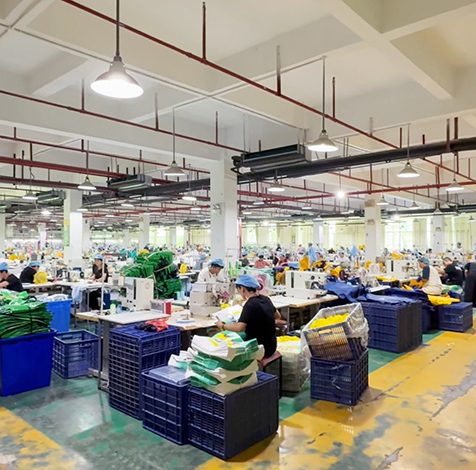
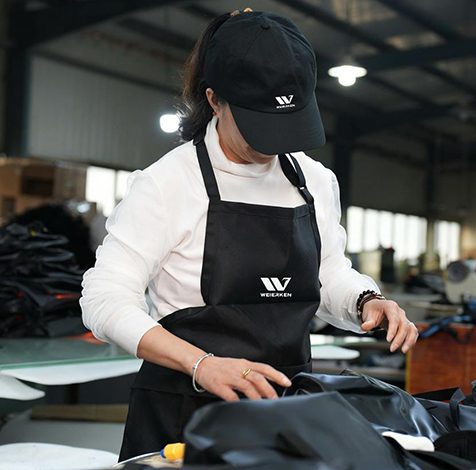
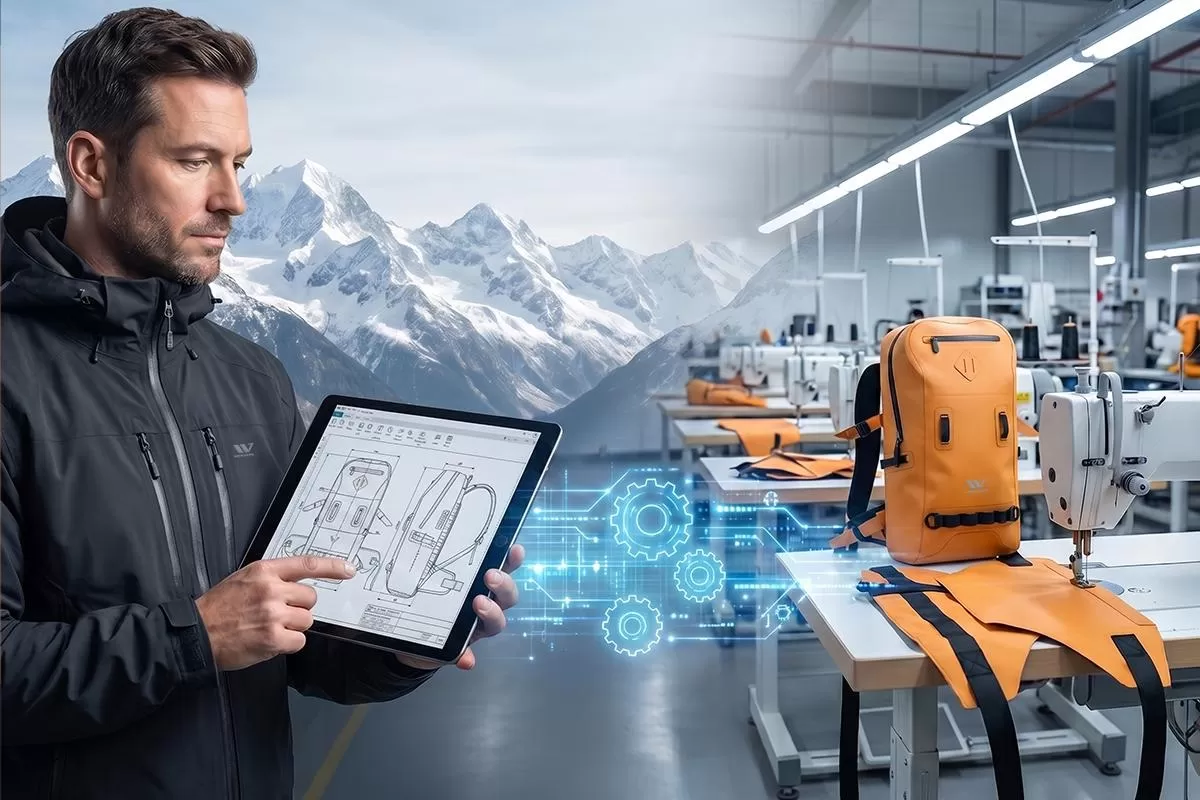
Building a genuinely waterproof bag takes much more than just sewing thick plastic together. The brand weierken understands the precise engineering behind true water resistance.
A dedicated marine bag fabricator uses strict manufacturing protocols to meet these international standards. We break down our production approach into four critical areas.
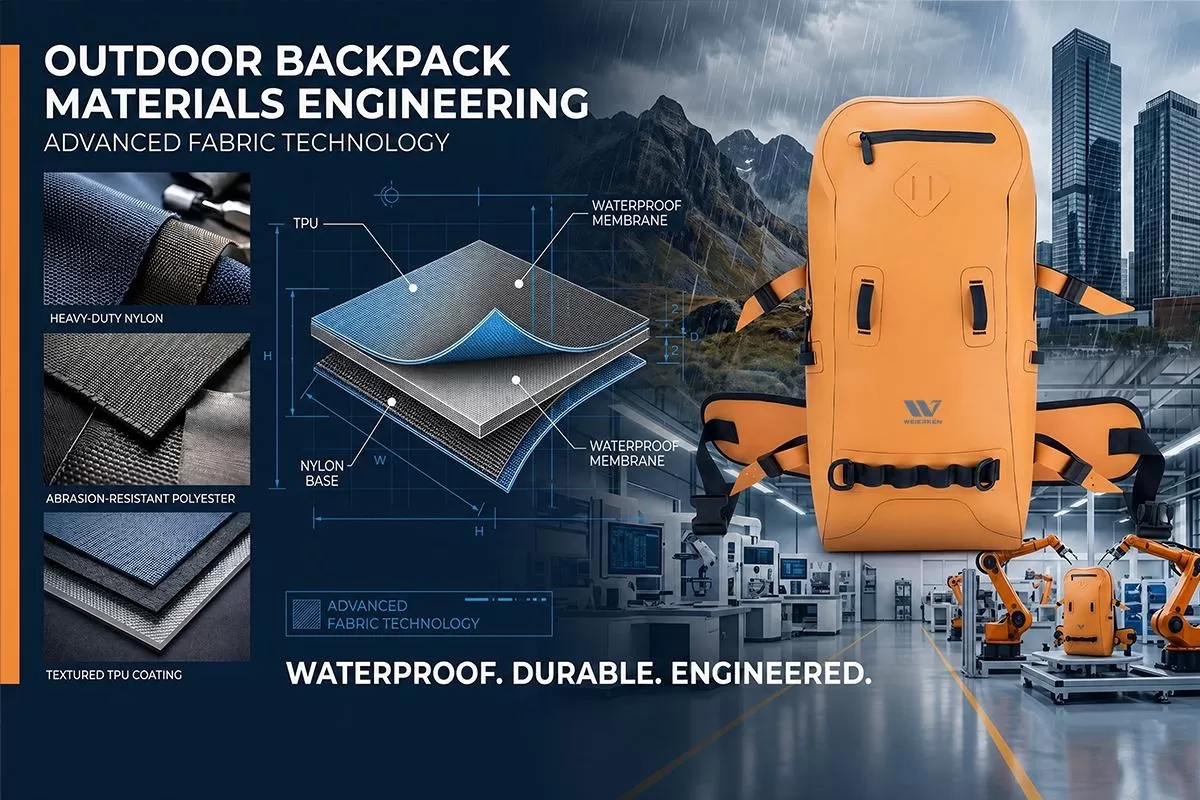
Choosing the Right Waterproof Materials
The base fabric dictates the fundamental limit of water resistance. We source high-grade TPU-coated nylon, PVC composite fabrics, and marine-grade polyester.
- Hydrostatic Testing: All raw materials must pass ISO 811 hydrostatic pressure tests before entering our facility.
- Hardware Selection: We pair these premium fabrics with waterproof zippers like YKK AquaGuard®.
- Thread Quality: If a design requires stitching, we use waterproof expanding threads that swell to fill needle holes.
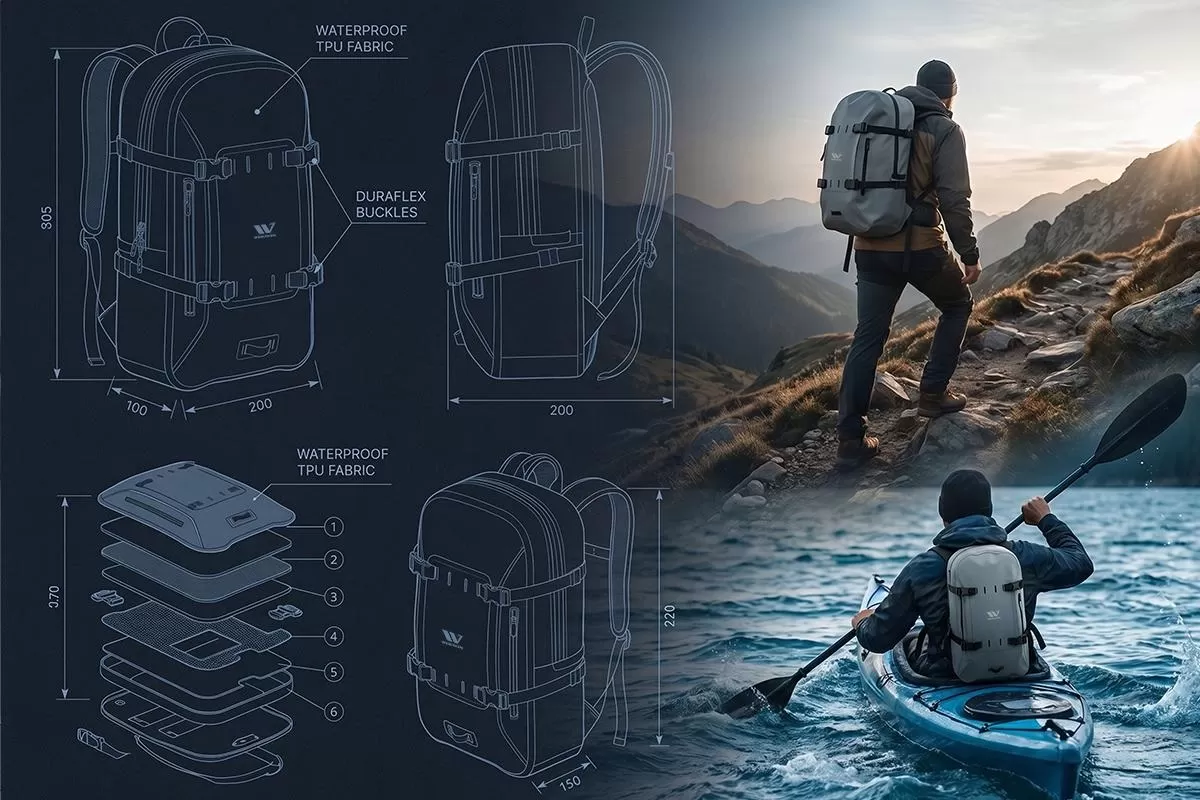
Structural and Engineering Design
Physical seams represent the absolute weakest point in any waterproof product. A quality marine bag fabricator actively minimizes the number of seams during the design phase.
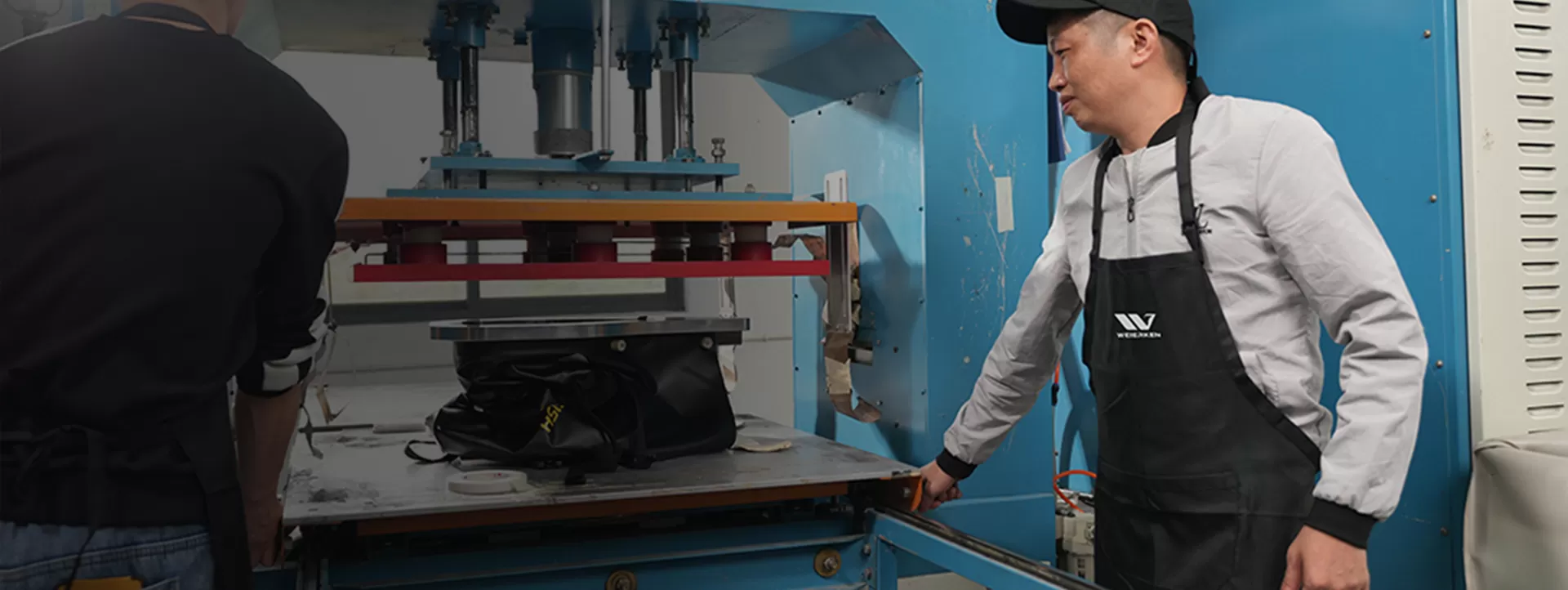
- Seamless Construction: We use 3D heat pressing to create an integrated, seamless bag body.
- High-Frequency Welding: Technicians apply high-frequency radio waves to melt and join fabric panels together.
- Closure Systems: We incorporate multiple-fold roll-top closures combined with storm flaps. This guarantees maximum security at the main opening.
Rigorous Testing Protocols
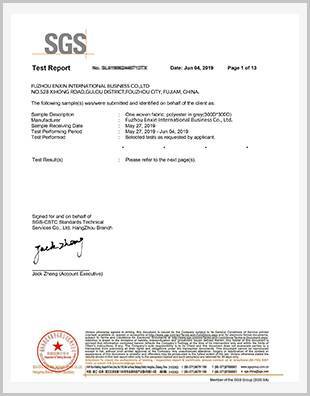
You cannot simply guess the water resistance of a product. A reliable marine bag fabricator sends finished designs to independent third-party testing laboratories.
- Sample Testing: We run IPX5 spray tests and IPX7 submersion tests on random production samples.
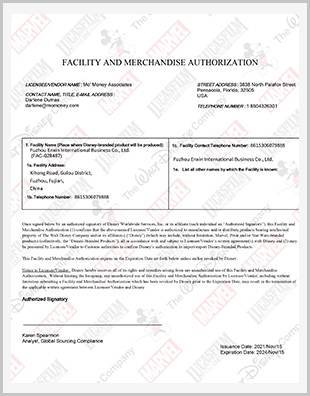
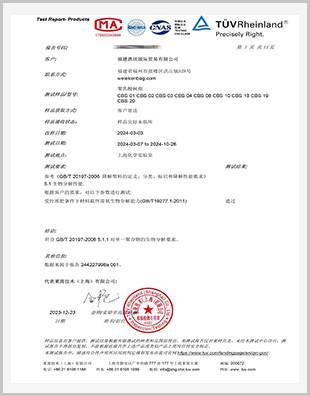
- Certification: All tests occur in certified labs that provide official, verifiable reporting data.
- Batch Consistency: We retain test samples from every single production batch to guarantee consistency across massive B2B orders.
Strict Production Process Control
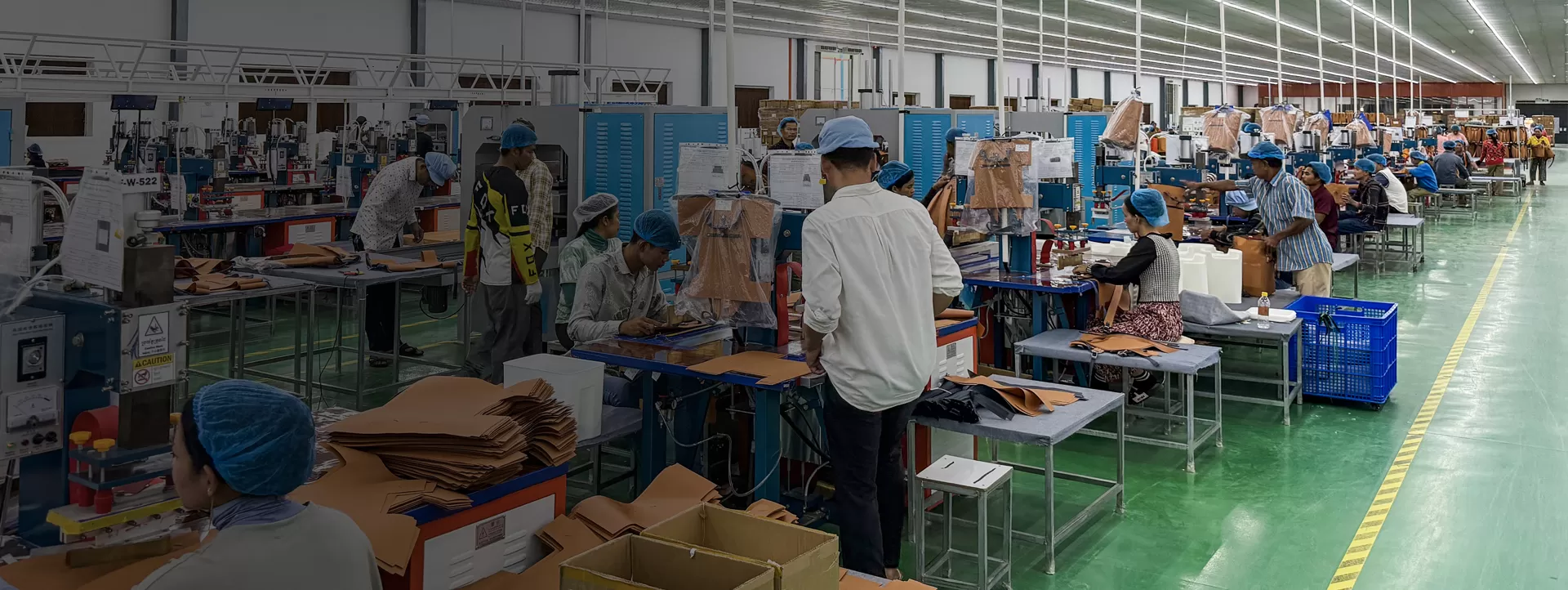
Factory floors require meticulous standard operating procedures to maintain high quality. We monitor welding temperatures, machine pressure, and cooling times constantly.
A professional marine bag fabricator calibrates testing equipment frequently. We also apply heat-melt tape over any vulnerable internal joints. This obsessive attention to detail completely prevents bad manufacturing batches.

Expert Advice for B2B Buyers Sourcing Marine Bags
Choosing the right manufacturing partner dictates your retail success. You need a marine bag fabricator who actually understands your specific market requirements. Here are five actionable tips for B2B buyers.
Define Your Specific Use Case
Do not overpay for an IPX8 rating if your customers only need splash protection. Choose IPX4 for light marina use. Pick IPX5 for standard deck operations. Select IPX6 for heavy offshore weather. Reserve IPX7 and IPX8 for severe immersion risks.
Demand Third-Party Lab Reports
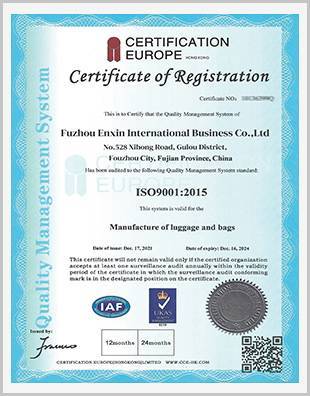
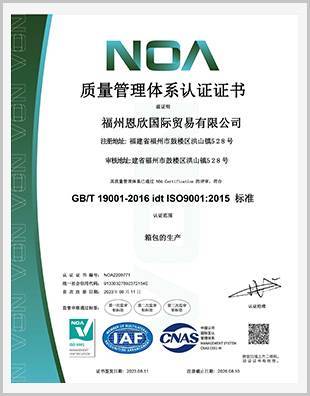
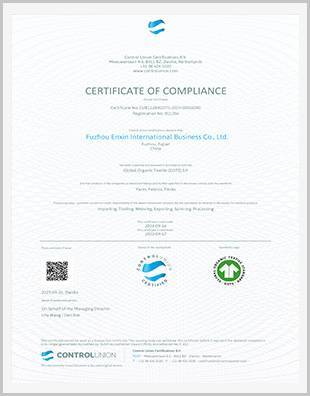
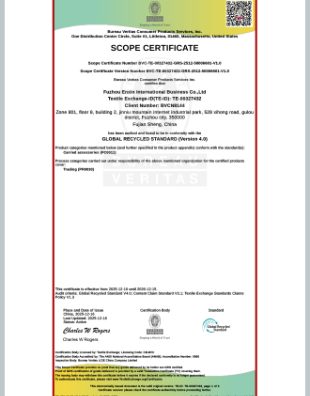
Never trust verbal promises from a new supplier. A legitimate marine bag fabricator will gladly show you official third-party certificates. Verify that the testing parameters directly match your required IPX level.
Inspect the Manufacturing Details
Look incredibly closely at the weak spots on the physical sample. Check the zipper covers, the roll-top stiffeners, and the internal seam tape. A skilled marine bag fabricator leaves no messy glue lines, loose threads, or unsealed corners.
Consider the Cost-to-Performance Ratio
Higher IPX ratings cost substantially more to manufacture. Moving from IPX6 to IPX7 requires entirely different zipper technologies and welding techniques. Balance your functional safety needs with your target wholesale price.
Verify Long-Term Durability
Saltwater and UV rays degrade cheap materials very quickly. Ask your marine bag fabricator for anti-aging and hydrolysis test data. True waterproof capability must last for years, not just a few months.
IPX ratings give you a clear, measurable standard for water resistance in the outdoor industry. B2B buyers must carefully match the right IPX rating to their specific marine application and budget constraints.
Working with a dedicated marine bag fabricator ensures you get exactly what you pay for. A professional supplier guarantees their work across materials, design, process, and testing.
Brands like weierken focus intensely on delivering verified, highly durable marine gear. We build bags that protect your critical equipment in the harshest ocean environments. Use this guide to make smart, data-driven purchasing decisions for your next product line.
Frequently Asked Questions (FAQ)
Q1: Why does a marine bag fabricator recommend IPX5 as the absolute minimum for boats?
A1: The ocean creates a highly unpredictable environment. Splashes, heavy rain, and rogue waves happen constantly. IPX5 guarantees the bag can easily handle low-pressure water jets from any direction without leaking.
Q2: Can I use an IPX6 bag for scuba diving or snorkeling?
A2: No, you cannot. IPX6 only protects against heavy water jets on the surface. You must request an IPX8 rating from your marine bag fabricator for safe, continuous underwater submersion.
Q3: How does a professional marine bag fabricator seal the seams without using needles?
A3: We use high-frequency radio welding and seamless heat pressing. This advanced process melts the thermoplastic fabric layers directly together. It creates a waterproof bond that proves much stronger than traditional sewing.
Q4: Do IPX ratings degrade over time with heavy outdoor use?
A4: Yes, intense UV rays and harsh salt water can break down protective coatings over years of hard use. A premium marine bag fabricator actively uses UV-resistant TPU and specialized marine-grade materials to slow this degradation significantly.
Q5: Should I ask my marine bag fabricator for custom IPX testing parameters?
A5: Yes, particularly if you need an IPX8 product. The IEC standard specifically requires the buyer and the marine bag fabricator to agree on custom depth and time parameters for the IPX8 submersion test.
Ready to start your next custom waterproof project?
Are you looking for a trusted marine bag fabricator to produce high-quality waterproof gear for your brand? Contact our expert team today. We provide verified IPX-rated manufacturing solutions perfectly tailored to your B2B requirements. Send us an inquiry now to discuss your specifications, request samples, and secure reliable production for your business!