6 Criteria Evaluated by Brands in a Lunch Thermal Tote Fabricator

Brands face significant risks if their product packaging and accessories fail in the market. Selecting the right lunch thermal tote fabricator requires a highly systematic evaluation process. You need a reliable partner who consistently delivers quality and matches your exact brand positioning.

A poor manufacturing choice leads to customer complaints, product returns, and a damaged brand reputation. Professional buyers do not rely on guesswork or basic visual inspections. They use strict operational standards to protect their investments.

Experienced brands, and industry-leading suppliers like weierken, rely on rigorous criteria to ensure long-term commercial success. We will examine the six core standards you must use when screening your next manufacturing partner.

1. Material Safety and Food-Grade Compliance

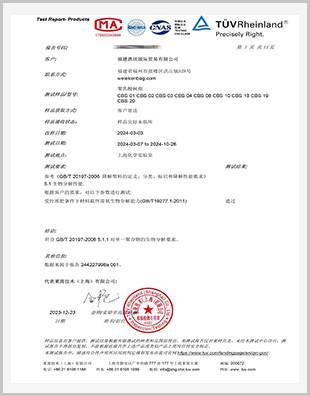
Lunch bags come into direct contact with food containers and sometimes food itself. The chemical safety of the interior lining remains your absolute highest priority. A trustworthy lunch thermal tote fabricator must provide verified food contact material certifications.

You must ensure they comply with the specific regulations of your target market. This includes the FDA in the United States, LFGB in the European Union, and GB 4806 in China. Do not accept basic supplier declarations.

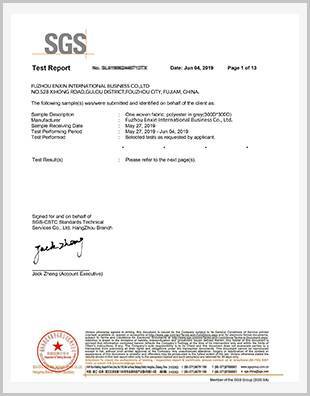
Always demand independent third-party testing reports from recognized laboratories. Evaluate the materials based on the following safety points:

  • Zero Harmful Substances: The lining must remain entirely free of heavy metals, plasticizers, and formaldehyde.
  • Heat Migration Limits: The materials must not release toxic chemicals when exposed to hot food containers.
  • Safe Insulation: The internal thermal layers, such as PE foam or EVA, must remain completely non-toxic and odorless during long-term use.

2. Thermal Performance Validation

Temperature retention serves as the fundamental purpose of any insulated bag. Brands need hard data, not just vague marketing promises. A competent lunch thermal tote fabricator bases their claims on standardized testing methods.

They should provide third-party thermal test reports based on ASTM D3103 or equivalent global standards. These tests prove how long the bag maintains specific internal temperatures in controlled environments.

You must align these testing metrics with your actual customer use cases. Ask the factory to provide physical samples so you can run your own practical tests. Look closely at these specific performance indicators:

  • Temperature Targets: Can the bag keep hot food above 60℃ or cold food below 5℃ for the required duration?
  • Delivery Scenarios: Does the performance match your target window of 30 minutes, 2 hours, or 4 hours?
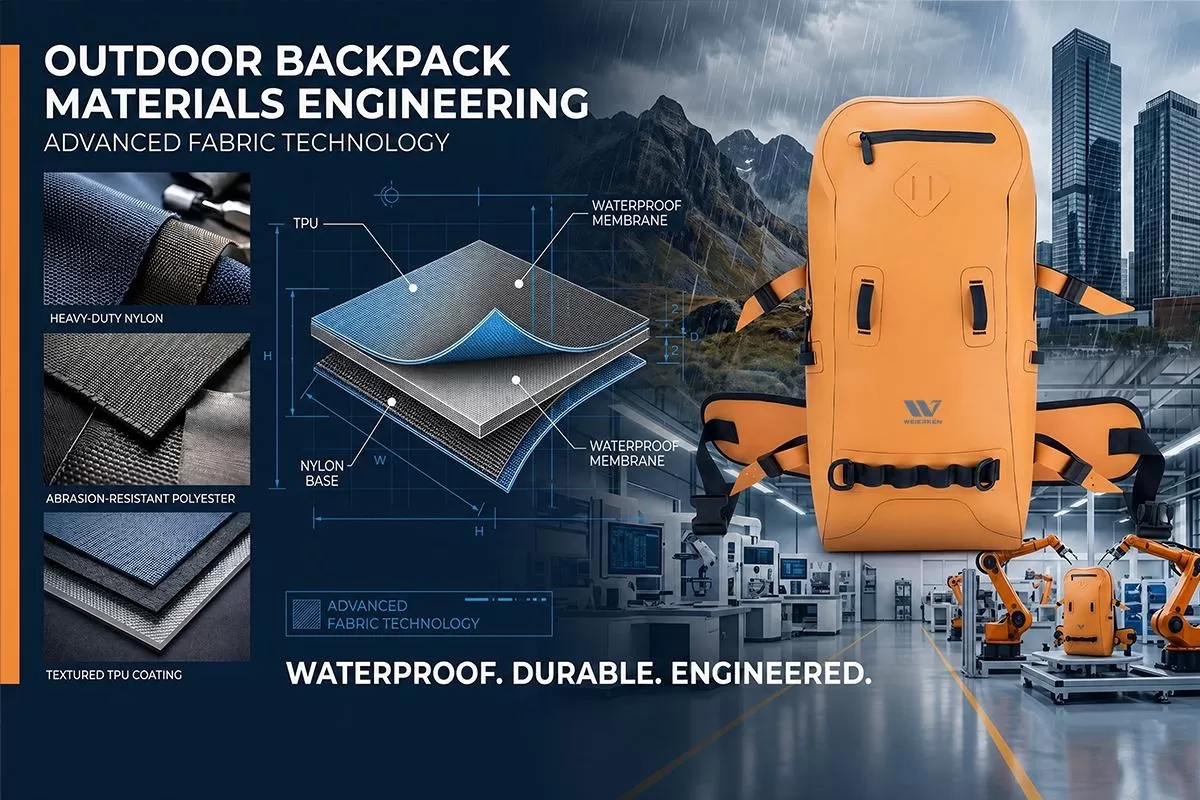
  • Material Structure: Does the manufacturer use multi-layer composites, thick high-density foam, and aluminum foil reflection layers?

3. Structural Durability and Craftsmanship Details

Consumers subject their lunch bags to heavy, high-frequency use every single day. They overstuff them, drop them, and yank the zippers forcefully. High durability directly builds consumer trust in your brand.

You must meticulously inspect how the lunch thermal tote fabricator handles physical stress points. A poorly constructed bag will tear at the seams within weeks. Evaluate their craftsmanship using strict physical benchmarks.

Look closely at how they assemble the structural components. Ask for detailed technical specifications regarding their sewing and sealing methods.

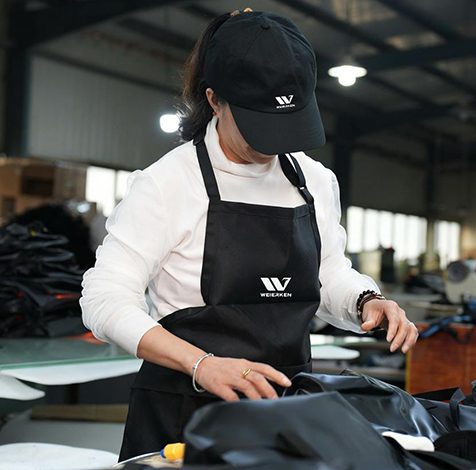
  • Stress Point Reinforcement: Do they use bartack stitching and multi-layer reinforcement at the handles and shoulder strap joints?
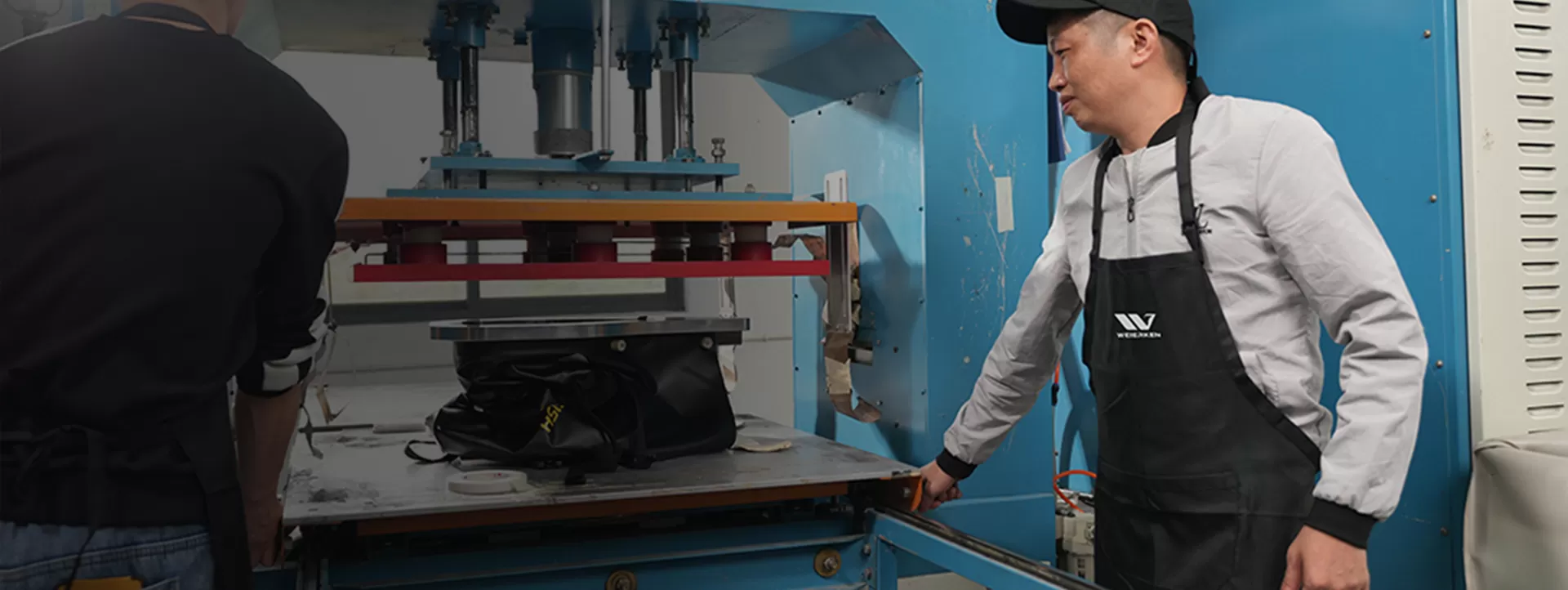
  • Seam Sealing: Do they employ high-frequency welding, seamless heat pressing, and waterproof treatments for needle holes?
  • Hardware Quality: Does the factory use premium branded zippers like YKK, and do they include waterproof zipper tracks?
  • Load Testing: Can the factory provide official reports for heavy weight-bearing tests and drop tests?

4. Customization and OEM/ODM Services

Brands require highly unique products to stand out in a crowded consumer market. A flexible lunch thermal tote fabricator provides robust customization services. They must translate your abstract brand concepts into physical products accurately.

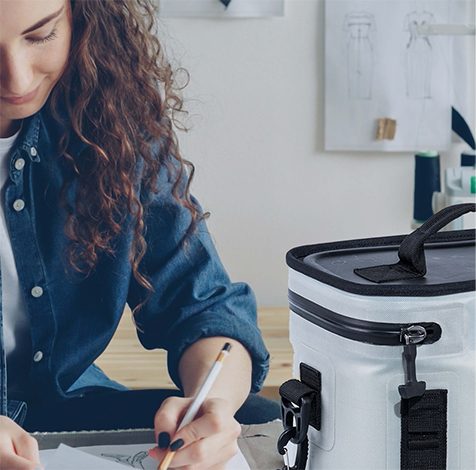
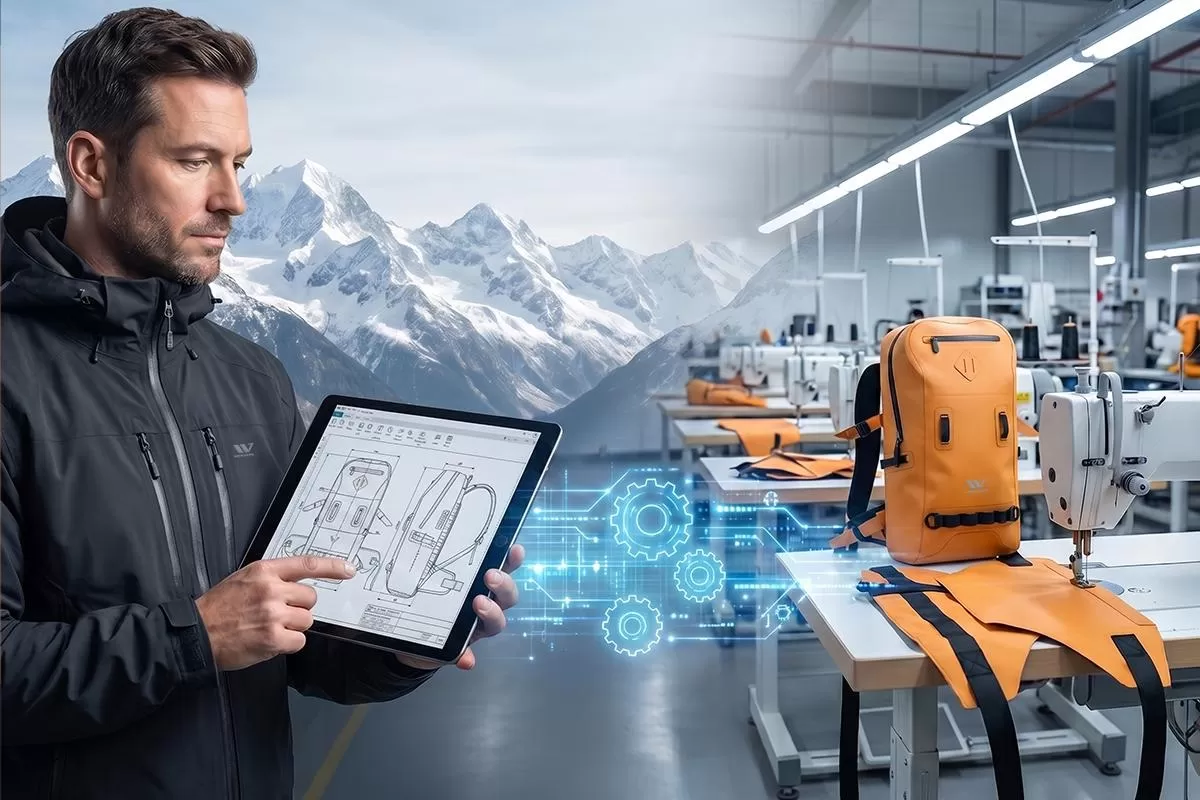
You need a partner who understands complex design requirements and modern manufacturing techniques. Experienced manufacturers like weierken provide comprehensive design support from the initial sketch to the final prototype.

Assess their ability to innovate and adapt to your specific requests. A rigid factory will severely limit your product line expansion.

  • Visual Customization: Do they support custom Pantone colors, heat transfer printing, silk screening, and high-quality embroidery?
  • Functional Innovation: Can they engineer special features like leak-proof liners, dedicated utensil pockets, ice pack compartments, and adjustable dividers?
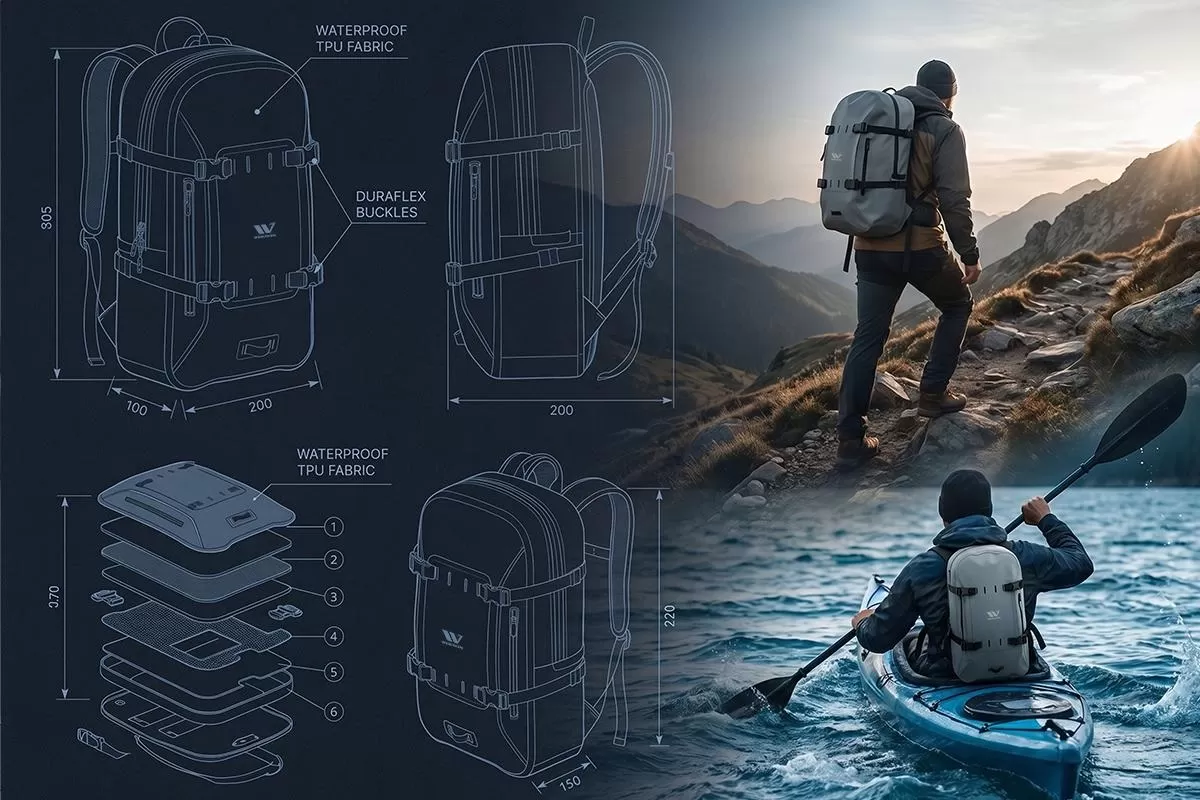
  • Design Support: Does their engineering team offer 3D renderings and structural optimization advice?
  • Prototyping Speed: How fast can they deliver the first sample, and do they accommodate multiple rounds of revisions?

5. Quality Control (QC) Systems

Producing one perfect sample is easy. Producing ten thousand identical units requires a massive operational effort. You must audit the quality management system of your lunch thermal tote fabricator thoroughly.

Consistent mass production helps you avoid devastating customer complaints. The factory must track every single step of the manufacturing process. They cannot simply rely on checking the final product right before shipping.

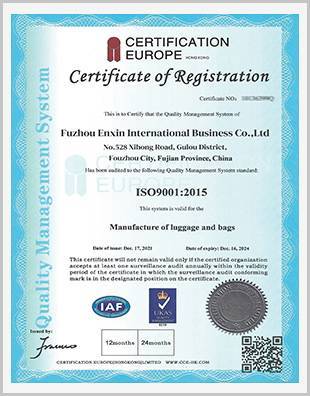
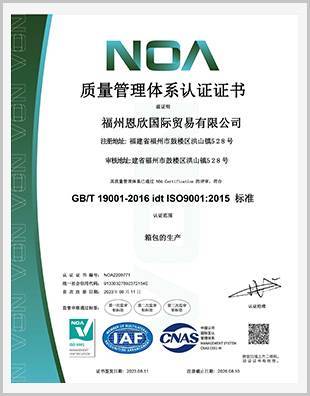
Request detailed documentation of their internal quality procedures. A mature factory maintains a dedicated quality control team with clear reporting structures.

  • Incoming Quality Control (IQC): Does the factory test all raw fabrics and accessories against strict standards before accepting them into the warehouse?
  • In-Process Quality Control (IPQC): Do floor managers conduct regular inspections during critical steps like zipper installation and bartack sewing?
  • Final Quality Control (FQC): Does the QC team inspect finished goods using standard AQL sampling methods?
  • Traceability: Does the factory retain detailed inspection reports and defect logs for every single production batch?

6. Supply Chain Reliability and Delivery

A brilliant product means nothing if it arrives three months late. Stable supply chains and punctual deliveries keep your business running smoothly. You must rigorously assess the operational capacity of your lunch thermal tote fabricator.

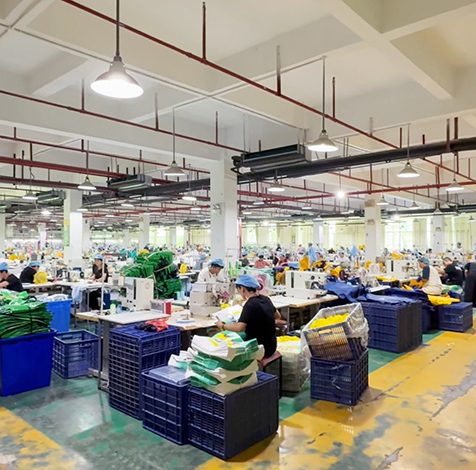
Stock shortages and shipping delays ruin marketing campaigns and waste ad spend. Evaluate their facility size, workforce numbers, and raw material sourcing networks.

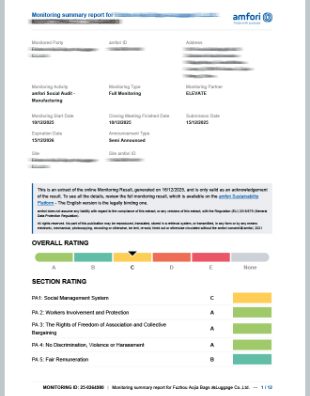
You also need to verify their compliance with international labor standards. Ethical sourcing matters deeply to modern consumers and major retail buyers.

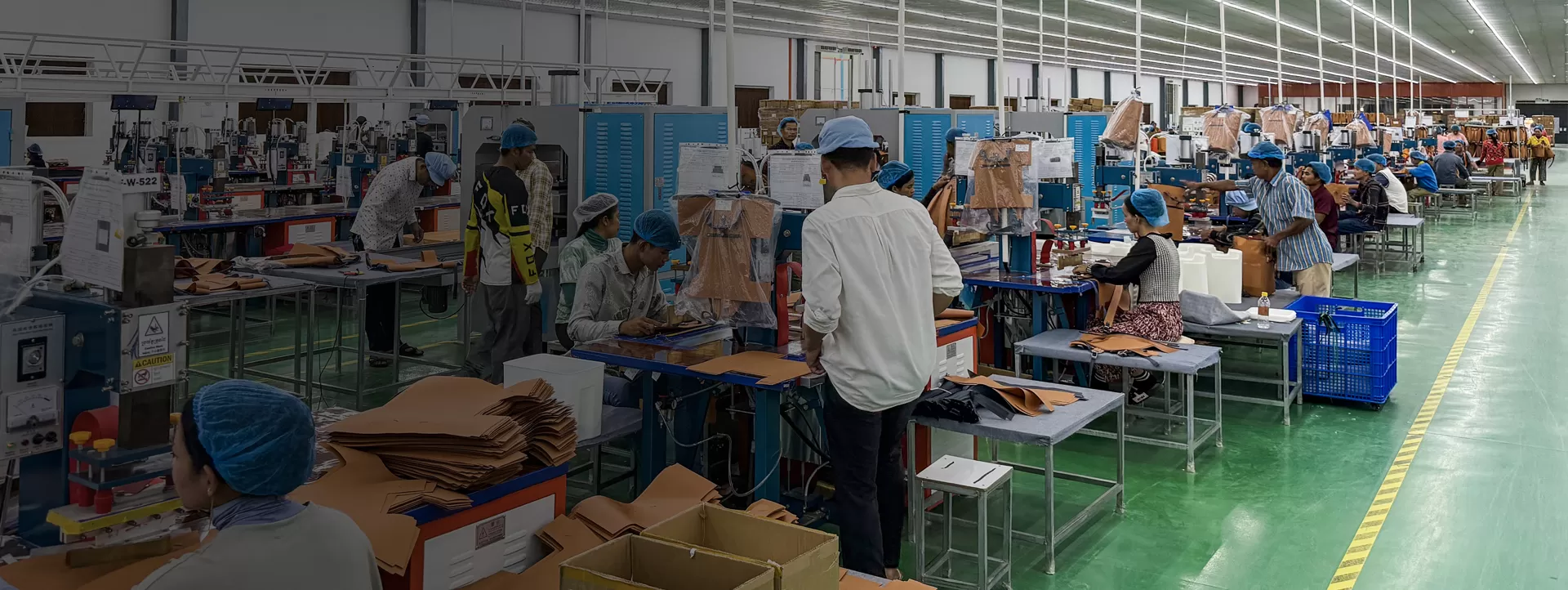
  • Production Capacity: Does the factory possess enough monthly output to comfortably handle your bulk orders?
  • Lead Time Management: Do they offer clear timelines for standard orders and possess contingency plans for delayed materials?
  • Inventory Security: Does the factory maintain safety stock for critical materials like thermal foam and specialized fabrics?
  • Social Compliance: Have they passed recognized ethical audits like BSCI or Sedex to meet Western market requirements?
  • Peak Season Handling: Can they prioritize your manufacturing run during busy holiday seasons and summer rushes?

Actionable Advice for Brands

Do not make your final decision based purely on the lowest price quote. Transform these six criteria into a formal Supplier Evaluation Scorecard. Assign specific weight percentages to each category based on your brand priorities.

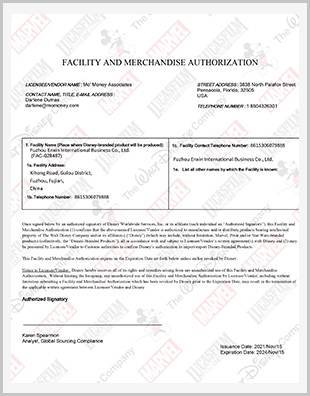
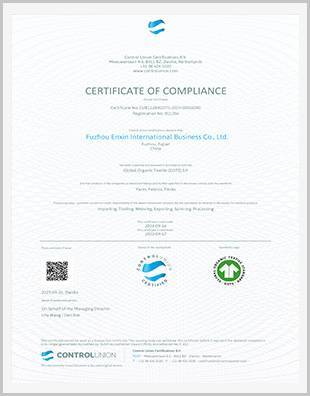
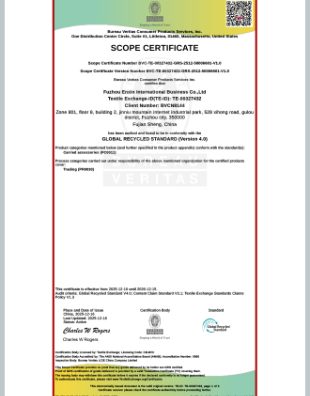
Force every potential lunch thermal tote fabricator to provide documented proof. Ask for their lab test reports, compliance certificates, factory audit scores, and high-resolution case study photos.

Use this data-driven approach to eliminate weak suppliers early in the process. A professional factory respects buyers who ask tough, detailed questions about their operations.

Sourcing a reliable manufacturing partner requires diligence, technical knowledge, and a structured evaluation process. Brands must carefully balance food safety, thermal performance, and factory reliability to succeed.

Applying these six criteria minimizes your commercial risks significantly. A premier lunch thermal tote fabricator like weierken understands exactly what global brands demand. We build robust quality systems and responsive supply chains to bring your unique product vision to life securely.

Frequently Asked Questions (FAQ)

Q1: What is the most important certification a lunch thermal tote fabricator should hold?
A1: Food contact safety certifications rank as the most critical. You must ensure the fabricator provides valid FDA, LFGB, or GB 4806 test reports for the interior lining materials. This prevents toxic chemicals from migrating into the consumer’s food.

Q2: How does a lunch thermal tote fabricator guarantee the bags will not leak liquids?
A2: Premium fabricators replace traditional needle sewing with high-frequency welding or seamless heat pressing. They use waterproof TPU or EVA linings and apply waterproof tape over any necessary structural seams to create a watertight internal tub.

Q3: Can a lunch thermal tote fabricator speed up production during my peak selling season?
A3: A reliable factory plans ahead for your peak seasons. They achieve this by pre-ordering raw materials, maintaining safety stock, and allocating dedicated assembly lines specifically for your brand months in advance.

Q4: Why should I ask my lunch thermal tote fabricator for their AQL standards?
A4: Acceptable Quality Limit (AQL) standards define the maximum number of defective units allowed in a batch. Reviewing their AQL standards proves the factory uses a systematic, mathematically sound approach to final quality inspections rather than random guessing.

Q5: Will a lunch thermal tote fabricator help me design a custom bag from scratch?
A5: Yes, an experienced ODM (Original Design Manufacturer) partner maintains an in-house engineering team. They will take your basic sketches, suggest optimal thermal materials, provide 3D renderings, and create physical prototypes for your approval.

Ready to upgrade your insulated product line?
Are you searching for a highly qualified lunch thermal tote fabricator to manufacture your next collection? Our team possesses the certifications, quality control systems, and custom design capabilities your brand needs. Send us an inquiry today to discuss your project requirements, request a custom sample, and secure reliable production capacity!

Facebook
Twitter
LinkedIn
X
Reddit

Related Topics

Recent Posts

Contact Us Now!

Simply submit your email for a custom quote (response within 12 hours)

Related Topics