7 Checklist Items for a Lunch Thermal Bag Fabricator

Choosing the right manufacturing partner heavily dictates your brand’s market success. When you source insulated products, you face strict safety regulations and high consumer expectations. A poor supplier choice can easily result in failed temperature tests, broken zippers, and negative customer reviews.

Brands need a highly systematic evaluation process to secure stable, high-quality production. You cannot rely on basic factory photos or vague sales pitches. Instead, you must audit potential partners using rigorous operational criteria.

As an experienced industry leader, the brand weierken understands exactly what it takes to produce premium insulated goods. We have structured this guide to help B2B buyers navigate the complex sourcing process. Use these seven essential checklist items to evaluate any lunch thermal bag fabricator before placing your next bulk order.

1. Material Safety and Food-Grade Compliance

Insulated bags frequently come into direct contact with food containers, utensils, and sometimes raw food. The chemical safety of the interior lining remains your highest priority. A trustworthy lunch thermal bag fabricator must prove their materials meet target market regulations.

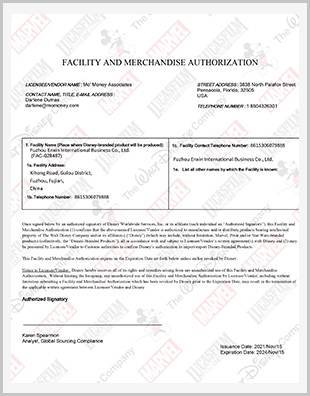
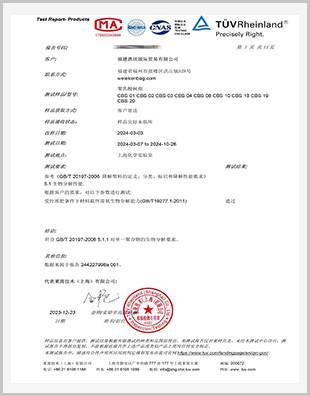
You must request official food contact material certifications before proceeding. These include FDA compliance for the US, LFGB for Europe, and GB 4806 for China. Do not accept outdated documents or unverified supplier claims.

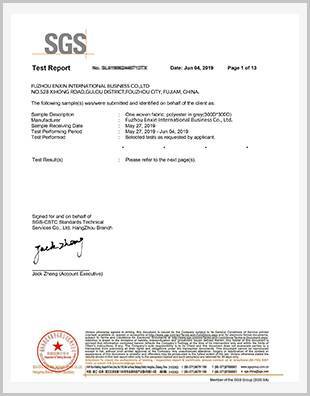
Always require independent third-party testing reports from recognized testing laboratories.

  • Chemical Limits: Confirm the lining materials contain absolutely zero heavy metals, plasticizers, or formaldehyde.
  • Heat Migration: Verify that toxic substances will not migrate into food when exposed to high-temperature environments.
  • Insulation Safety: Ensure thermal layers, such as PE foam or EVA, remain non-toxic and odorless during long-term consumer use.
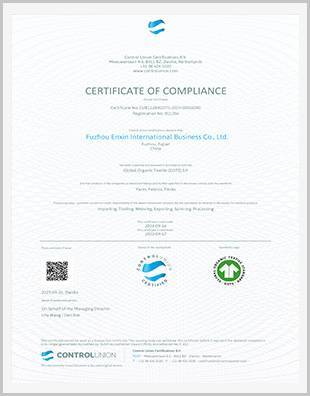
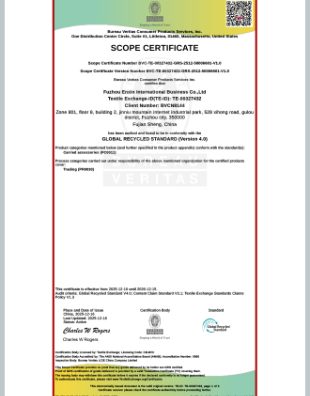
  • Sustainable Options: Ask the manufacturer if they offer eco-friendly materials like rPET recycled fabrics or bio-based insulation to meet modern sustainability trends.

2. Verified Thermal Performance Validation

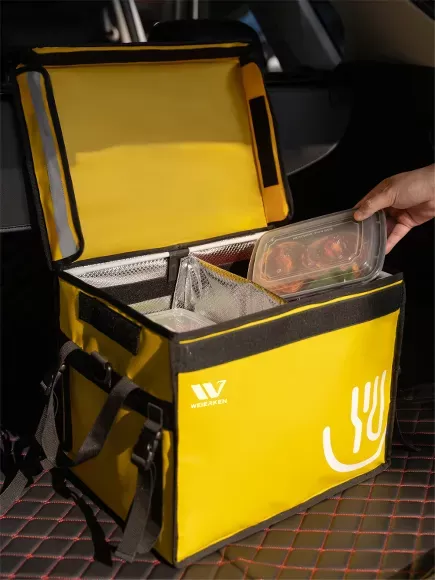
Temperature retention acts as the core function of your product. Consumers buy these bags specifically to keep their meals safe and fresh. Your chosen lunch thermal bag fabricator must provide hard data proving their product works.

They should supply third-party thermal test reports based on ASTM D3103 or equivalent global standards. These tests demonstrate the bag’s actual performance under specified environmental temperatures, such as 25℃ or 30℃.

Brands must align these test results with their specific customer use cases.

  • Temperature Targets: The bag should maintain hot food above 60℃ or cold food below 5℃ for the required duration.
  • Time Scenarios: Check the data against your target usage windows, whether that means 30 minutes, 2 hours, or 4 hours.
  • Structural Design: Analyze the insulation layer material, its thickness, and its density. Check if the design includes aluminum foil reflective layers or multi-layer composites.
  • Custom Engineering: For ODM projects, verify if the factory can customize the thermal structure specifically for your target temperature zones.

3. Structural Durability and Craftsmanship Details

Consumers subject their lunch bags to heavy, daily abuse. They overpack them, spill liquids inside them, and drop them on hard surfaces. High structural durability serves as the foundation of your brand’s reputation.

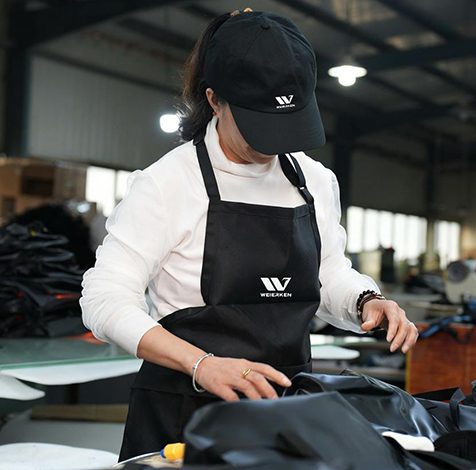
You must inspect how the factory reinforces physical stress points. A reliable manufacturer will happily explain their sewing and sealing techniques in detail. Evaluate their craftsmanship carefully using strict physical benchmarks.

Ask detailed questions about their assembly methods during your evaluation.

  • Stress Point Reinforcement: Do they use bartack stitching, multi-layer sewing, or reinforced backing fabrics at the handles, shoulder strap joints, and bottom panels?
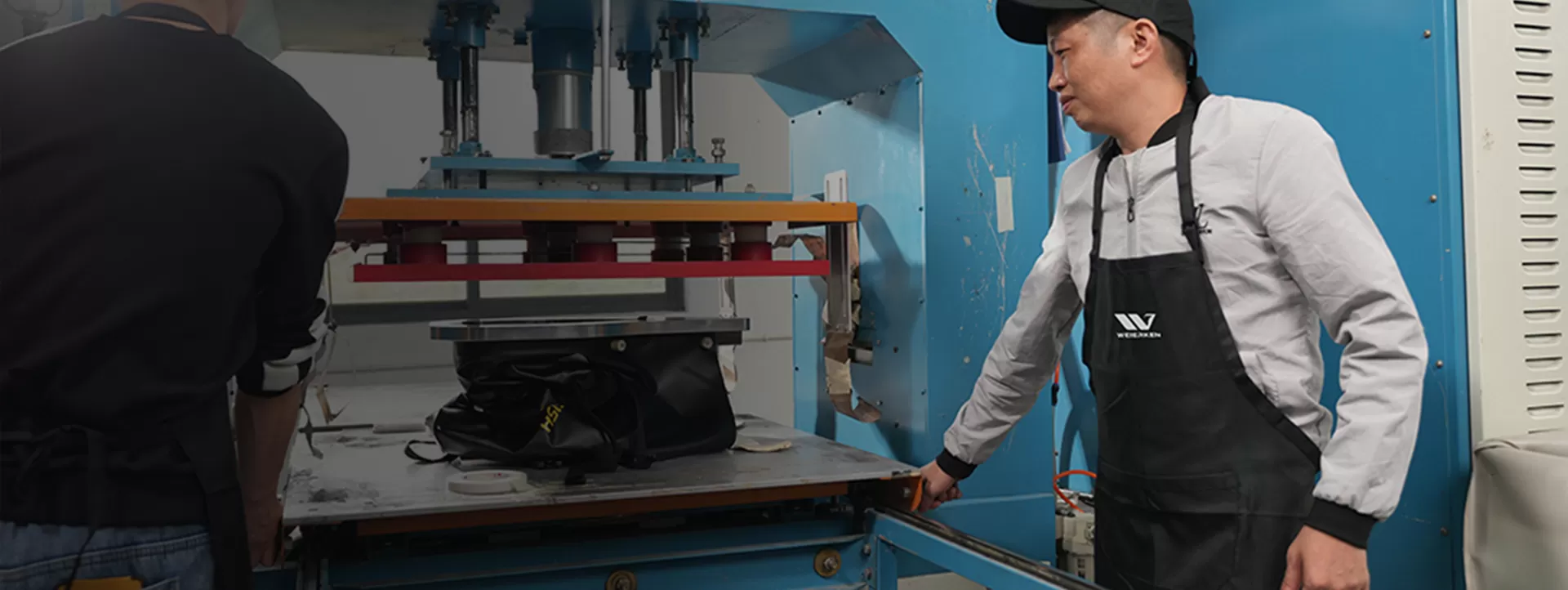
  • Seam Sealing: Do they employ high-frequency welding, seamless heat pressing, or heat-sealing processes? Do they apply waterproof tape over needle holes?
  • Hardware Quality: Do they use premium branded zippers like YKK? Do they equip the bags with waterproof zipper tracks or protective storm flaps?
  • Load Testing: Has the product passed official weight-bearing and drop tests? Demand test reports or ask for a live video demonstration.

4. Customization and OEM/ODM Services

Brands require highly unique products that reflect their distinct corporate identity. A flexible lunch thermal bag fabricator must provide robust customization capabilities. They need to translate your abstract concepts into physical, market-ready products.

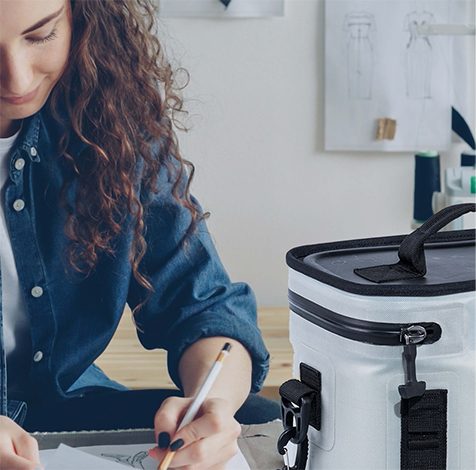
You should assess their ability to support both basic OEM adjustments and complex ODM development. Experienced manufacturers like weierken provide dedicated design teams to guide you from initial sketches to final production samples.

Evaluate their technical flexibility and prototyping speed to ensure they match your launch schedule.

  • OEM Foundations: Do they support minor size adjustments, accurate Pantone color matching, and diverse logo printing options like heat transfer, silk screen, or embroidery?
  • ODM Development: Can their engineering team provide 3D renderings and structural optimization advice for entirely new designs?
  • Functional Innovation: Can they develop special features like leak-proof inner liners, independent cutlery pockets, dedicated ice pack compartments, or adjustable dividers?
  • Sample Efficiency: How fast is their prototyping speed? Do they support multiple rounds of revisions, and how do they structure their sampling costs?

5. Comprehensive Quality Control (QC) Systems

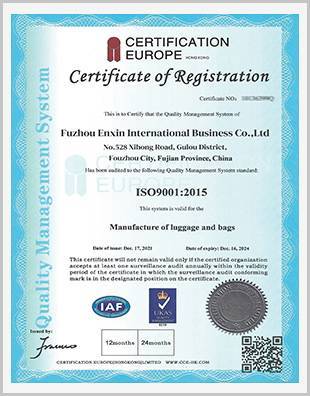
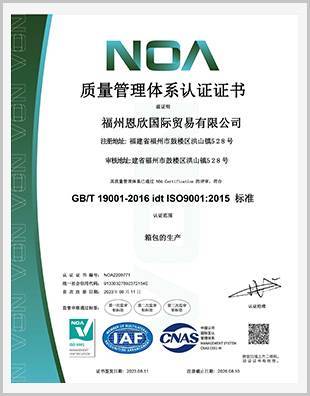
Producing one excellent prototype is entirely different from producing ten thousand identical units. Mass production consistency prevents devastating customer complaints. You must thoroughly audit the quality management system of your lunch thermal bag fabricator.

The factory must maintain strict tracking across every single manufacturing step. They cannot rely solely on checking the finished product right before shipping. Request detailed documentation of their internal quality procedures.

A mature factory maintains a dedicated quality control team with clear, structured reporting.

  • Incoming Quality Control (IQC): Does the factory test all raw fabrics and accessories against strict standards before admitting them into the warehouse?
  • In-Process Quality Control (IPQC): Do floor managers conduct regular inspections and keep logs during critical steps like zipper installation and bartacking?
  • Final Quality Control (FQC): Does the QC team inspect finished goods using standard AQL sampling methods? Does the inspection cover appearance, dimensions, functionality, and packaging?
  • Quality Agreements: Will the manufacturer sign a formal contract specifying acceptance standards, warranty periods, and quality claim clauses?

6. Supply Chain Reliability and Delivery Capabilities

A brilliant product design holds no value if it arrives three months late. Stable supply chains and punctual deliveries keep your marketing campaigns running smoothly. You must rigorously assess the operational capacity of your manufacturing partner.

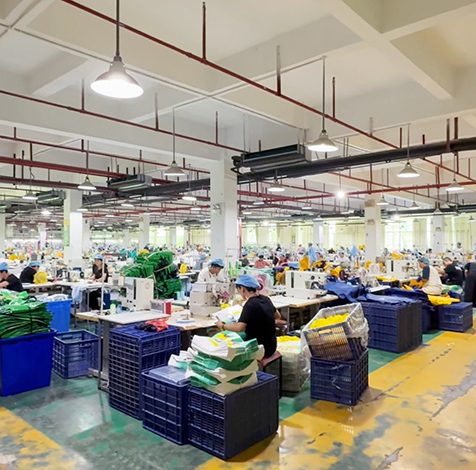
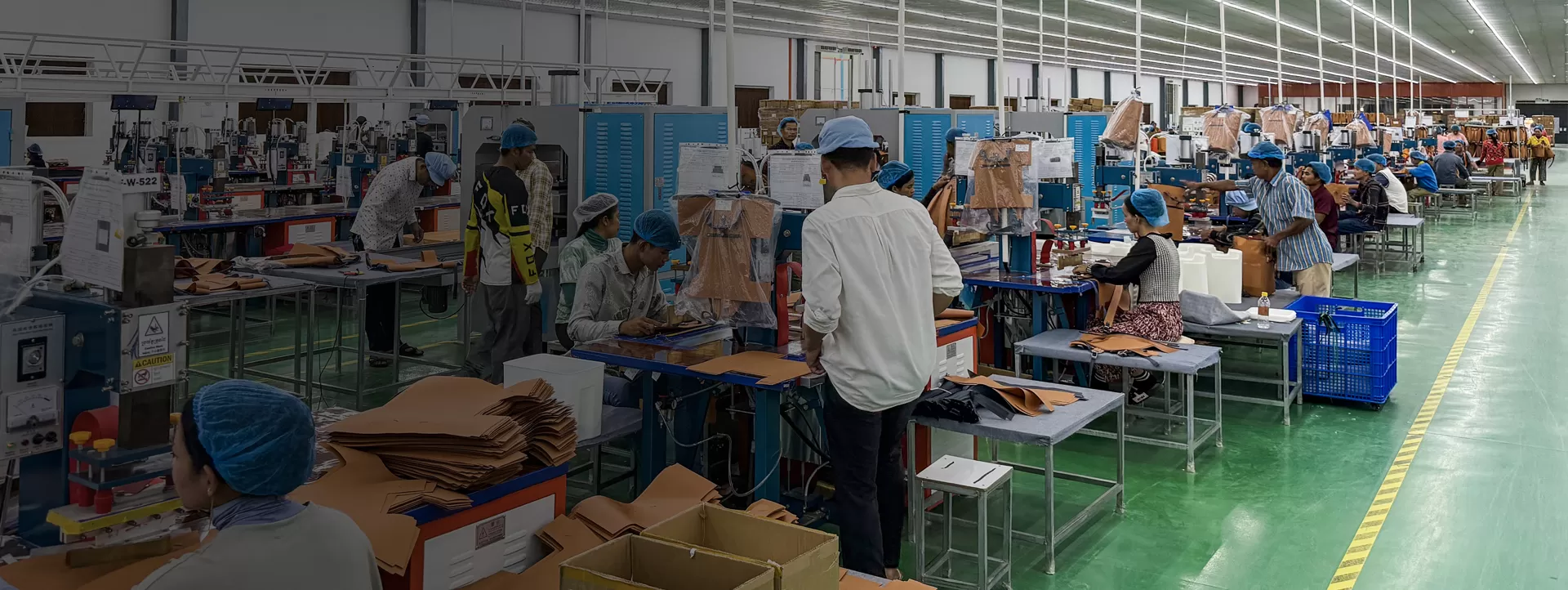
Stock shortages and shipping delays destroy profit margins. Evaluate their facility size, workforce numbers, and raw material sourcing networks. You also need to verify their compliance with international labor standards, as ethical sourcing matters deeply to modern retail buyers.

Ask tough questions about their production limits and contingency plans.

  • Capacity Matching: Does the factory’s monthly output comfortably meet your order scale? Do they possess the potential to expand production quickly?
  • Lead Time Management: How long are their standard delivery times? Do they offer expedited channels, and what are their specific response mechanisms for delayed deliveries?
  • Material Inventory: Does the factory maintain safety stock for critical materials like thermal foam and specialized fabrics? Do they use multiple material suppliers to avoid sudden shortages?
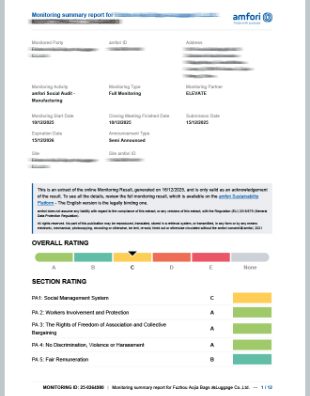
  • Social Compliance: Have they passed recognized ethical audits like BSCI or Sedex? Do they meet European and American ethical procurement requirements?
  • Peak Season Protection: Can they prioritize your manufacturing run and guarantee capacity during busy holiday seasons and summer rushes?

7. Strategic Evaluation and IP Protection

The final step involves converting your research into a structured decision-making tool. Do not base your final choice on the lowest price quote alone. You need to protect your intellectual property while ensuring long-term cost efficiency.

Create a formal Supplier Evaluation Scorecard based on the previous six points. Assign specific weight percentages to each category depending on your brand’s unique priorities. Force every candidate to provide documented proof to back up their claims.

Take specific actions based on the type of manufacturing project you plan to run.

  • Proof Collection: Demand lab test reports, compliance certificates, factory audit scores, and high-resolution case study photos.
  • ODM Projects: Add strict intellectual property protection clauses to your contract. Ensure the lunch thermal bag fabricator signs an NDA before you share custom designs or innovative structural concepts.
  • OEM Projects: Focus heavily on process consistency and cost control capabilities. Lock in raw material prices where possible to prevent sudden cost increases during repeat orders.

Sourcing a reliable manufacturing partner demands technical knowledge, patience, and a highly structured evaluation process. Brands must carefully balance food safety, thermal performance, and factory reliability to achieve long-term success.

Applying these seven checklist items minimizes your commercial risks significantly. A premier lunch thermal bag fabricator like weierken understands exactly what global B2B brands demand. We build robust quality systems, offer innovative customization, and maintain responsive supply chains to bring your unique product vision to life safely and securely.

Frequently Asked Questions (FAQ)

Q1: Why is third-party testing so critical when choosing a lunch thermal bag fabricator?
A1: Third-party testing provides unbiased, scientifically verified data. It proves the materials are genuinely food-safe and the insulation performs as advertised. Factory self-declarations hold no legal weight if a consumer compliance issue arises in your target market.

Q2: What is the difference between high-frequency welding and standard sewing for lunch bags?
A2: Standard sewing punches needle holes through the fabric, which allows liquids and cold air to escape. High-frequency welding uses radio waves to melt and fuse the thermoplastic materials together. This creates a completely seamless, leak-proof, and highly insulated barrier.

Q3: How does a professional lunch thermal bag fabricator manage sudden raw material shortages?
A3: A professional factory maintains diverse supply chains and keeps safety stock of critical components like PE foam, EVA liners, and specialized zippers. They do not rely on a single local vendor, which protects your production schedule from unexpected market disruptions.

Q4: Can I request customized thermal retention times for an ODM project?
A4: Yes, absolutely. An experienced fabricator will analyze your target retention times and engineer a custom solution. They will adjust the thickness of the high-density foam, add specific aluminum foil layers, and design tighter closure systems to meet your exact temperature goals.

Q5: What does an AQL standard mean for my bulk order?
A5: Acceptable Quality Limit (AQL) is a statistical measurement used during Final Quality Control (FQC). It dictates the maximum number of defective units allowed in a random sample size before the entire batch fails inspection. Establishing a strict AQL ensures you receive consistent quality across large bulk orders.

Ready to upgrade your insulated product line?
Are you searching for a highly qualified lunch thermal bag fabricator to manufacture your next retail collection or promotional project? Our engineering team possesses the strict certifications, advanced quality control systems, and custom design capabilities your brand needs. Send us an inquiry today to discuss your exact project requirements, request a custom prototype, and secure reliable production capacity for your business!

Facebook
Twitter
LinkedIn
X
Reddit

Related Topics

Recent Posts

Contact Us Now!

Simply submit your email for a custom quote (response within 12 hours)

Related Topics