
5 Steps to Choose a Reliable Grocery Thermal Bag Fabricator

The rapid growth of fresh food e-commerce and supermarket delivery creates a massive demand for reliable cold chain packaging. You need high-quality thermal bags to maintain food safety and keep your end consumers happy.

Finding a capable grocery thermal bag fabricator takes much more than a simple web search. As a B2B buyer for a supermarket chain, fresh food platform, or group-buying company, you require a highly systematic approach to vet your suppliers.

You must ensure they can deliver consistent products that meet your specific operational requirements. At weierken, we understand the exact logistics and procurement challenges retail platforms face during the sourcing process.

A reliable supplier does more than stitch fabric together. They protect your perishable goods from temperature abuse. This five-step framework will help you find a trustworthy grocery thermal bag fabricator and secure a stable manufacturing partnership.

Step 1: Clarify Your Needs and Product Specifications

Before contacting any grocery thermal bag fabricator, define your technical specifications clearly. This detailed document forms the firm basis of all future communication and factory evaluations.

Do not assume a supplier knows what your specific delivery fleet needs. You must outline every physical and performance requirement.

  • Temperature control targets: Are your drivers transporting chilled goods (0-4°C), frozen items (≤-18°C), or hot meals (>60°C)? Mixed deliveries require different insulation materials and multi-compartment structural designs.
  • Capacity and dimensions: Determine the precise internal volume based on your standard grocery tote sizes. Consider whether you need adjustable dividers to accommodate different product combinations in a single trip.
  • Load-bearing capacity: Grocery deliveries often include heavy, dense items like bulk beverages, canned goods, or rice. Specify the maximum weight limits (e.g., 5kg, 10kg, 15kg). Mandate reinforced designs for the bottom panel and carrying handles.
  • Usage scenarios: Will staff use these bags for customer store pickups, neighborhood group distribution, or rough last-mile scooter delivery? Do the bags need to fold flat to save valuable return space in delivery trucks?
  • Brand display requirements: Specify if you need custom logo printing, promotional messaging, or specific brand colors. Different materials require different printing techniques, such as silk-screen or heat transfer.
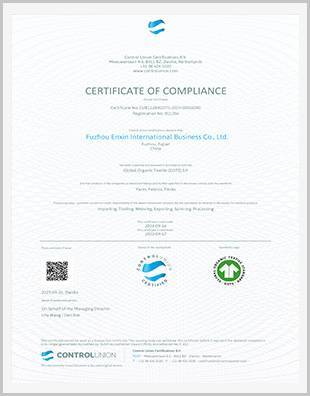
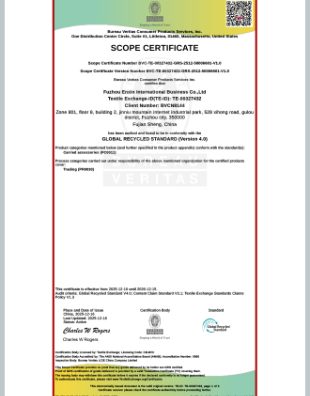
  • Eco-friendly requirements: Decide if your corporate sustainability goals require recyclable materials. You might request rPET (recycled polyethylene terephthalate) outer fabrics or biodegradable inner linings.

Compile all these precise details into a clear Product Requirement Document (PRD). You will send this document to every potential insulated grocery bag manufacturer you evaluate.

Step 2: Market Research and Initial Screening

Next, you need to build a targeted list of potential candidates. A reliable grocery thermal bag fabricator should have a proven track record in the B2B sector.

Cast a wide net initially, and then use strict criteria to filter out underperforming factories.

Effective Search Channels

  • B2B Sourcing Platforms: Search global trade platforms like Alibaba, Global Sources, or Made-in-China. Use specific keyword combinations like “grocery thermal bag fabricator,” “supermarket delivery bag supplier,” or “commercial cooler bag factory.”
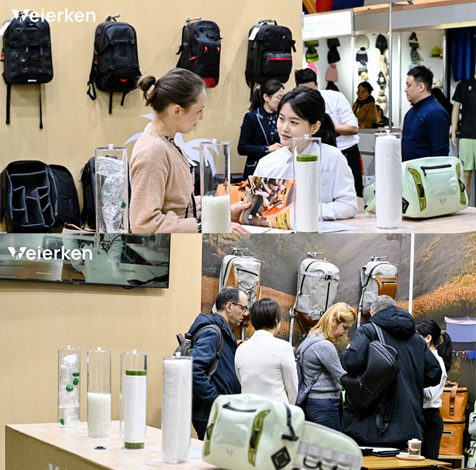
  • Industry Exhibitions: Attend specialized trade shows. Look for events focused on fresh food delivery, retail equipment, and commercial packaging. Meeting suppliers face-to-face accelerates the vetting process.
  • Industry Associations: Ask local retail associations or packaging chambers of commerce for trusted recommendations. Established networks often know which factories deliver on time.
  • Professional Networks: Search LinkedIn for professionals in the cold chain packaging sector. You can often bypass sales reps and connect directly with factory managers.

Initial Screening Criteria

  • Does the factory specialize specifically in thermal and insulated bags, or is it just a side business?
  • Do they have verified case studies working with major supermarkets, fresh food platforms, or group-buying companies?
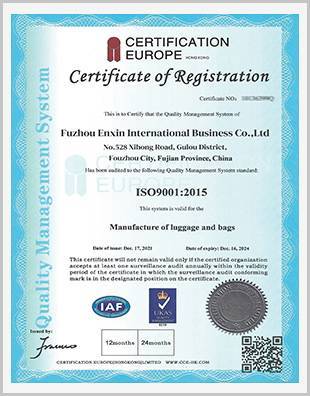
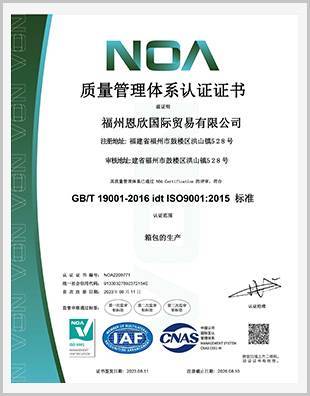
  • Does the manufacturing facility hold an active ISO 9001 quality management certification?
  • Do they clearly offer OEM/ODM customization services tailored for B2B clients?
  • Do their website and marketing materials look professional, with clear product images and complete factory information?

Narrow your massive list down to three to five highly promising custom thermal bag suppliers. These few factories will move on to your deep-dive evaluation phase.

Step 3: Qualification Audit and Technical Assessment

Now, evaluate the actual technical capabilities of your shortlisted candidates. Focus heavily on food safety compliance, verifiable thermal performance, and overall manufacturing power.

At weierken, we always encourage B2B buyers to rigorously audit supplier qualifications to prevent costly recalls later.

Food-Grade Material Certifications

The inner lining of the bag comes into close contact with food packaging. It must meet strict international standards.

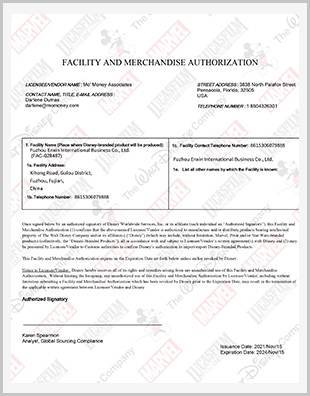
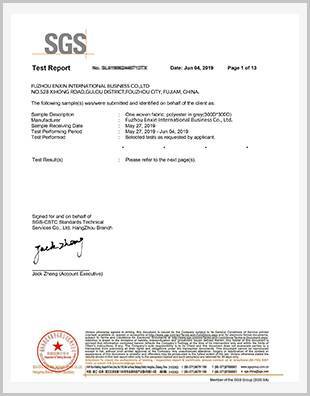
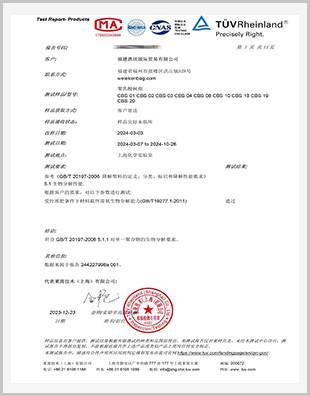
Require the grocery thermal bag fabricator to provide third-party testing reports. Ensure compliance with FDA (US), LFGB (Europe), or GB 4806 (China) food contact material standards.

Furthermore, ensure the insulation materials (like PE foam, EPE, or EVA) remain non-toxic and odorless under extreme temperatures. Request clear material composition declarations from the supplier.

Thermal Performance Validation

Do not accept vague promises about temperature retention. Request formal thermal testing reports based on recognized standards like ASTM D3103.

The grocery thermal bag fabricator must prove how long the bag maintains the target internal temperature while exposed to specific ambient environments (e.g., 30°C room temperature).

Ask highly specific questions about the insulation layer. Check the foam thickness, the material density, and the structural design. Determine if the design includes an inner aluminum foil reflective layer to block radiant heat.

Leak-Proof Design and Craftsmanship

Condensation and spilled liquids are constant problems in grocery delivery. Assess the bag’s leak-proof capabilities meticulously.

  • Seam processing: Does the factory use high-frequency welding, seamless heat pressing, or basic stitching? Heat-sealed PEVA linings offer much better leak protection than stitched foil.
  • Material properties: Is the inner lining fully waterproof and oil-resistant? Staff must be able to wipe it clean effortlessly.
  • Bottom reinforcement: Check if the bottom features an extra thick, reinforced leak-proof tub design.

Production Capacity and Quality Control

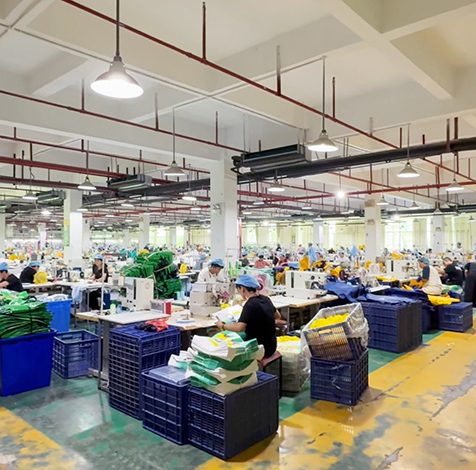
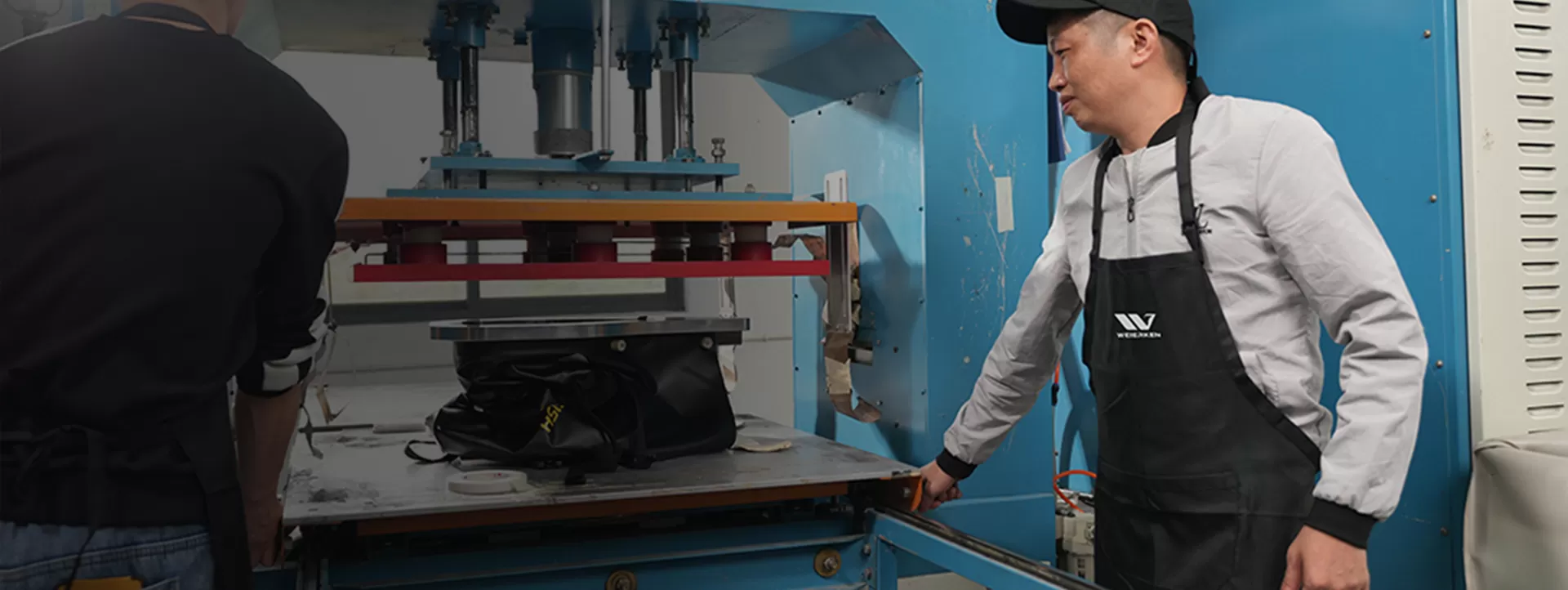
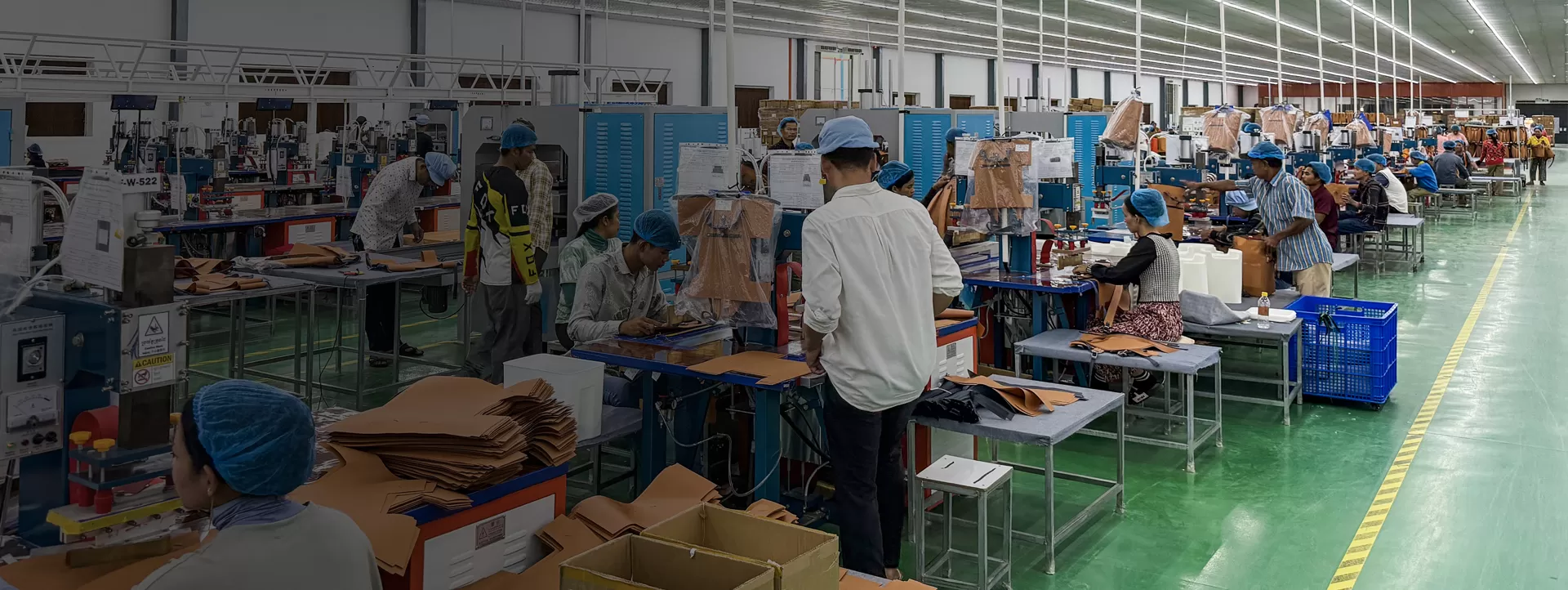
Assess the factory’s scale, actual monthly output, and key machinery. Look for modern equipment like automatic cutting beds, high-frequency welding machines, and industrial heat presses.

Ask the grocery thermal bag fabricator about their Quality Control (QC) systems. A professional factory executes strict Incoming Quality Control (IQC), In-Process Quality Control (IPQC), and Final Quality Control (FQC).

Send the supplier a detailed questionnaire. If an in-person visit is impossible, demand a live video tour of their production lines and raw material warehouse.

Step 4: Sample Testing and Validation

Never sign a bulk contract without physically testing the product. The sample phase proves whether a grocery thermal bag fabricator can actually translate your written PRD into a functional, durable product.

Request one to three custom samples based exactly on your specifications. Ensure the supplier uses your specified exterior materials, inner linings, custom colors, and logo printing.

Essential Physical Tests

  • Thermal Performance Test: Place commercial ice packs or a hot load inside the bag. Leave it in a controlled room temperature environment for your required delivery duration (e.g., 2 or 4 hours). Use a digital temperature data logger to measure internal fluctuations.
  • Load-Bearing Test: Fill the sample with sandbags or weights matching your maximum stated capacity. Vigorously lift and drop the bag by its handles 20 to 30 times. Inspect the handles, shoulder straps, and bottom seams for tearing.
  • Leak Test: Pour water directly into the bag. Tilt the bag and shake it aggressively. Inspect all bottom and side seams for moisture seepage.
  • Folding and Durability Test: Fold and unfold the bag 10 to 20 times. Ensure the rigid structural panels do not warp and the exterior fabric does not crack or wrinkle permanently.
  • Cleaning Test: Smear common food stains (like oil or sauce) onto the inner lining. Let it sit, then wipe it away with a damp cloth. The surface must clean easily without absorbing odors.

Provide direct, constructive feedback based on your test results. Pay close attention to the supplier’s response time and willingness to modify the design.

A professional grocery thermal bag fabricator will adapt quickly. Only move to the mass production stage after a sample passes every single test perfectly.

Step 5: Business Negotiation and Long-Term Partnership

Once you approve the perfect sample, you enter the business negotiation phase. This step locks in your pricing and lays the solid groundwork for a long-term supply chain relationship.

A reliable grocery thermal bag fabricator should offer transparent terms that protect both parties.

Pricing Structure and Terms

Demand a fully itemized quotation. Ask the supplier to break down the costs for raw materials, manufacturing labor, custom molds, sample fees, packaging, and freight. This transparency prevents sudden hidden fees later.

Understand exactly how pricing scales with volume. Secure tiered pricing grids for different order quantities.

Negotiate standard B2B payment terms. A common structure is a 30% advance payment via T/T, with the remaining 70% balance paid after final inspection but before shipment.

MOQ and Production Lead Times

Confirm the Minimum Order Quantity (MOQ) for custom designs. Ask the grocery thermal bag fabricator if they allow you to mix different sizes or colors within a single MOQ bracket.

Determine the exact standard lead time for regular production runs. Discuss the feasibility of expedited orders for sudden demand spikes. Clarify exactly how they calculate rush fees.

Quality Agreements and IP Protection

Draft a formal contract that includes strict quality acceptance criteria. Use an internationally recognized Acceptable Quality Limit (AQL) standard, typically AQL 1.5 for critical items.

Establish a strict zero-tolerance policy for critical defects like inner leakage or broken handles. Define a clear warranty period (e.g., 6 or 12 months) and outline the precise protocol for securing refunds or replacements for defective units.

Require the factory to print batch tracking numbers on the bags. This allows you to trace any future quality issues back to a specific production date and material batch.

Finally, sign a Non-Disclosure Agreement (NDA). Protect your custom structural designs, branding artwork, and commercial procurement volumes from leaking to your retail competitors.

Securing the right cold chain packaging is a critical strategic move for any food delivery operation. By following these five steps—defining specs, researching markets, auditing qualifications, testing samples, and negotiating terms—you drastically reduce your procurement risks.

A capable grocery thermal bag fabricator acts as an extension of your own business. They protect your perishable inventory and ensure your customers receive fresh, high-quality groceries every single time.

At weierken, we pride ourselves on meeting and exceeding these rigorous B2B standards for clients worldwide. Take the necessary time to evaluate your manufacturing options carefully. A methodical sourcing process guarantees a supply chain that supports your brand’s long-term expansion.

Ready to upgrade your fresh food delivery operations?
Contact our manufacturing experts today with your specific capacity and thermal requirements. Send your inquiry now to get custom samples and a detailed quote from a professional grocery thermal bag fabricator.

Frequently Asked Questions (FAQ)

1: What is the typical MOQ for a custom grocery thermal bag fabricator?
A: Most professional B2B fabricators require a Minimum Order Quantity (MOQ) of 500 to 1,000 units for fully customized bags. This ensures cost-effective sourcing for custom dyed fabrics, specialized foam thicknesses, and unique logo printing processes.

Q2: How do I ensure the grocery thermal bags meet food safety standards?
A: You must demand third-party testing certificates from the grocery thermal bag fabricator. Look for compliance with FDA, LFGB, or REACH standards. Specifically, ask for documents proving the inner lining (like PEVA or aluminum foil) is food-grade and free of heavy metals and BPA.

Q3: Can a grocery thermal bag fabricator use eco-friendly materials?
A: Yes, many advanced manufacturers offer sustainable options. You can request outer shells made from GRS-certified rPET (recycled plastic bottles). You can also ask for inner linings made from biodegradable EVA or TPU, though these materials may increase the unit cost.

Q4: What should I look for in a load-bearing test for supermarket thermal bags?
A: A proper load-bearing test evaluates the stress points. Check if the grocery thermal bag fabricator uses “bar-tack” stitching (cross-stitching) where the handles meet the bag body. Also, ensure the handle webbing wraps entirely under the bottom of the bag to support heavy groceries like milk and canned goods.

Q5: How long does it take for a grocery thermal bag fabricator to produce a custom sample?
A: For a standard design with basic logo printing, a sample usually takes 5 to 7 days. If your design requires custom fabric colors, unique structural molds, or specialized high-frequency welding, the sampling process can take 10 to 14 days. Always factor this time into your procurement schedule.

Facebook
Twitter
LinkedIn
X
Reddit

Related Topics

Recent Posts

Contact Us Now!

Simply submit your email for a custom quote (response within 12 hours)

Related Topics