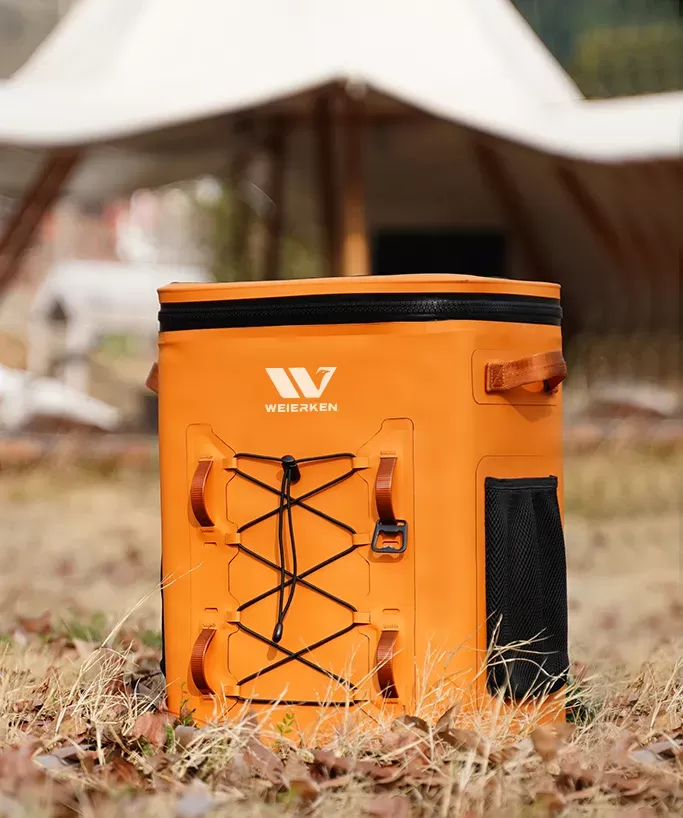

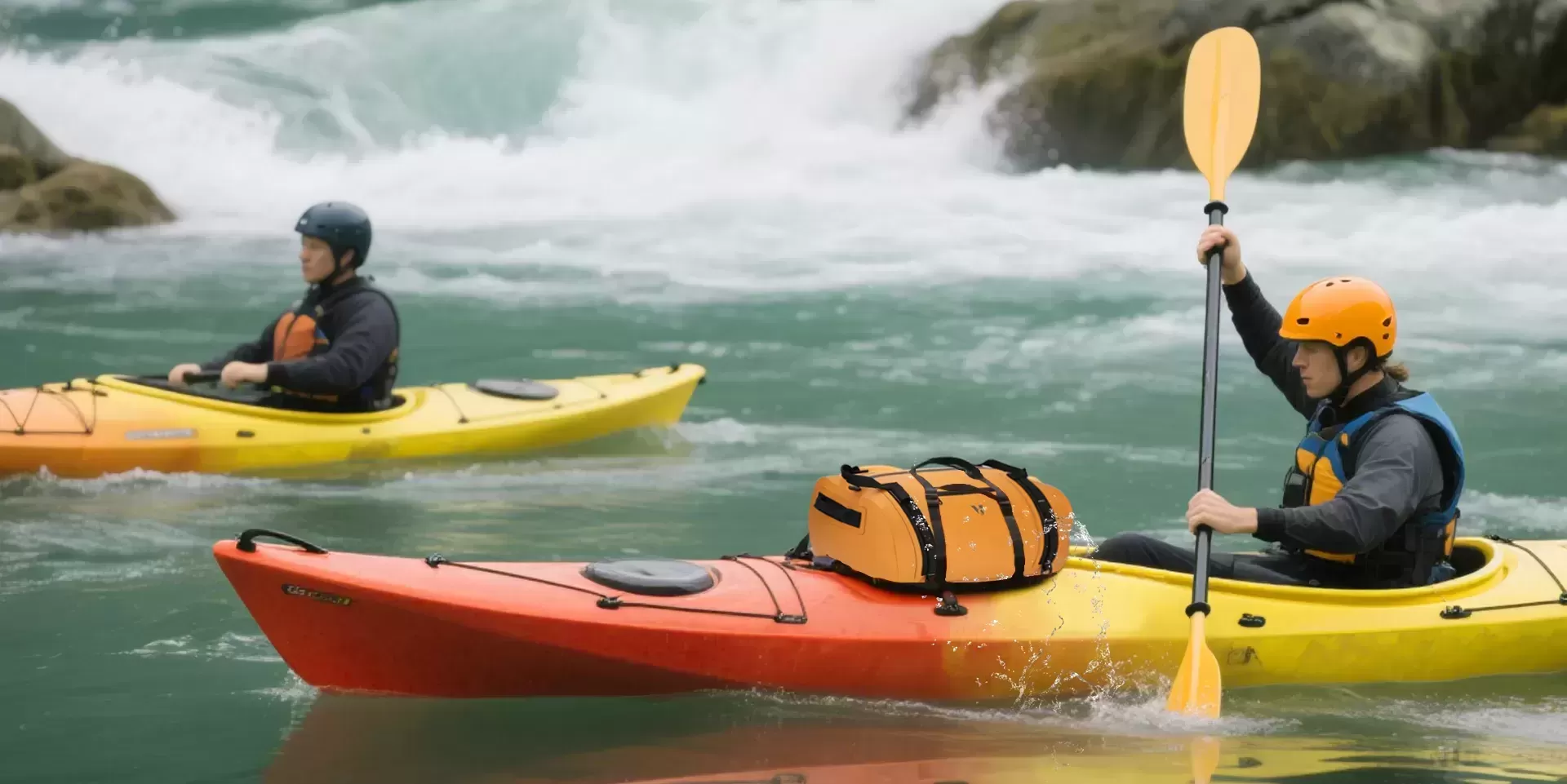
The global demand for outdoor adventure gear is growing rapidly. Paddlers, divers, and kayakers need reliable, dry storage solutions. This demand has led many sourcing managers to search for a competent **waterproof dry bag** supplier. However, manufacturing performance outdoor gear requires specialized knowledge.
Selecting a specialized watersports bag maker requires careful evaluation of their manufacturing techniques. Standard luggage factories often struggle with the unique materials and sealing technologies needed for marine gear. If a factory uses incorrect methods, your products will likely fail in the field.
At weierken, we analyze these technical requirements to help brands avoid expensive quality issues. In this guide, we examine five common pitfalls when choosing a manufacturing partner and explain how to avoid them.
Pitfall 1: Unstable High-Frequency Welding Causing Seam Splits
Waterproof outdoor gear relies on welded seams rather than traditional sewing needles. Traditional stitching creates puncture holes that let water penetrate. Therefore, a professional watersports bag maker uses advanced welding methods to fuse materials together.
The Problem with Low-End Sealing
Some factories use outdated, manual machinery or improper temperature settings. This leads to two major seam defects:
Under-welding (Cold Welds): The polymer layers do not melt completely, causing the joint to peel apart under minimal pressure.
Over-welding: The machine applies excessive heat or pressure, thinning the material at the weld. This creates a brittle line that cracks easily during use.
Technical Solutions to Look For
A professional watersports bag maker monitors parameters like dwell time, pressure, and electrical current. When sourcing, ask if the factory uses automated **high-frequency welding** (HF welding) machines. These systems ensure consistent heat distribution across different fabrics, such as 0.5mm TPU or 500D PVC.
At weierken, we calibrate our welding parameters for each specific material batch. This step ensures that the welded seams maintain the same strength as the surrounding fabric.
Pitfall 2: Inferior Base Materials Cracking Under Cold and UV Exposure
Outdoor gear must withstand prolonged sun, saltwater, and temperature fluctuations. Using lower-grade materials to reduce costs often results in rapid product degradation.
The Danger of Low-Grade PVC and TPU
Material quality is where a low-cost watersports bag maker often cuts corners. Cheap PVC materials degrade quickly under sunlight, turning yellow and sticky before cracking. Additionally, standard plastics stiffen in cold conditions, causing creases to split when the user rolls the top shut.
For demanding environments, a high-quality **submersible backpack** requires specialized materials:
TPU Laminated Fabric: Polyurethane (TPU) offers excellent elasticity, environmental safety, and flexibility in cold weather.
Marine-Grade PVC: This material includes added UV stabilizers and cold-crack additives to remain flexible down to -20°C.
When negotiating with a watersports bag maker, ask about the cold-crack rating of their materials. Ensure they provide certificates showing compliance with international environmental standards, such as REACH or RoHS.
Pitfall 3: Subpar Airtight Zippers and Poor Tape Bonding
Zippers are the most vulnerable component of any submersible bag. If the zipper fails, the entire bag loses its waterproof performance, risking damage to sensitive electronics.
Common Zipper Integration Failures
To reduce production costs, some manufacturers install standard water-resistant zippers instead of true, pressure-rated **airtight zippers**. These cheap alternatives might handle light rain, but they will leak if dropped into water.
Another common issue is poor bonding where the zipper tape meets the bag body. The transition zone at the zipper ends is difficult to seal. Without precise tooling, this area often develops pinhole leaks.
How to Ensure a Reliable Seal
A reliable watersports bag maker maintains direct relationships with certified zipper manufacturers, such as TIZIP. They should also design custom welding molds specifically for the zipper terminals.
Look for these features in high-performance zipper installations:
A molded rubber terminal block to seal the end of the zipper path.
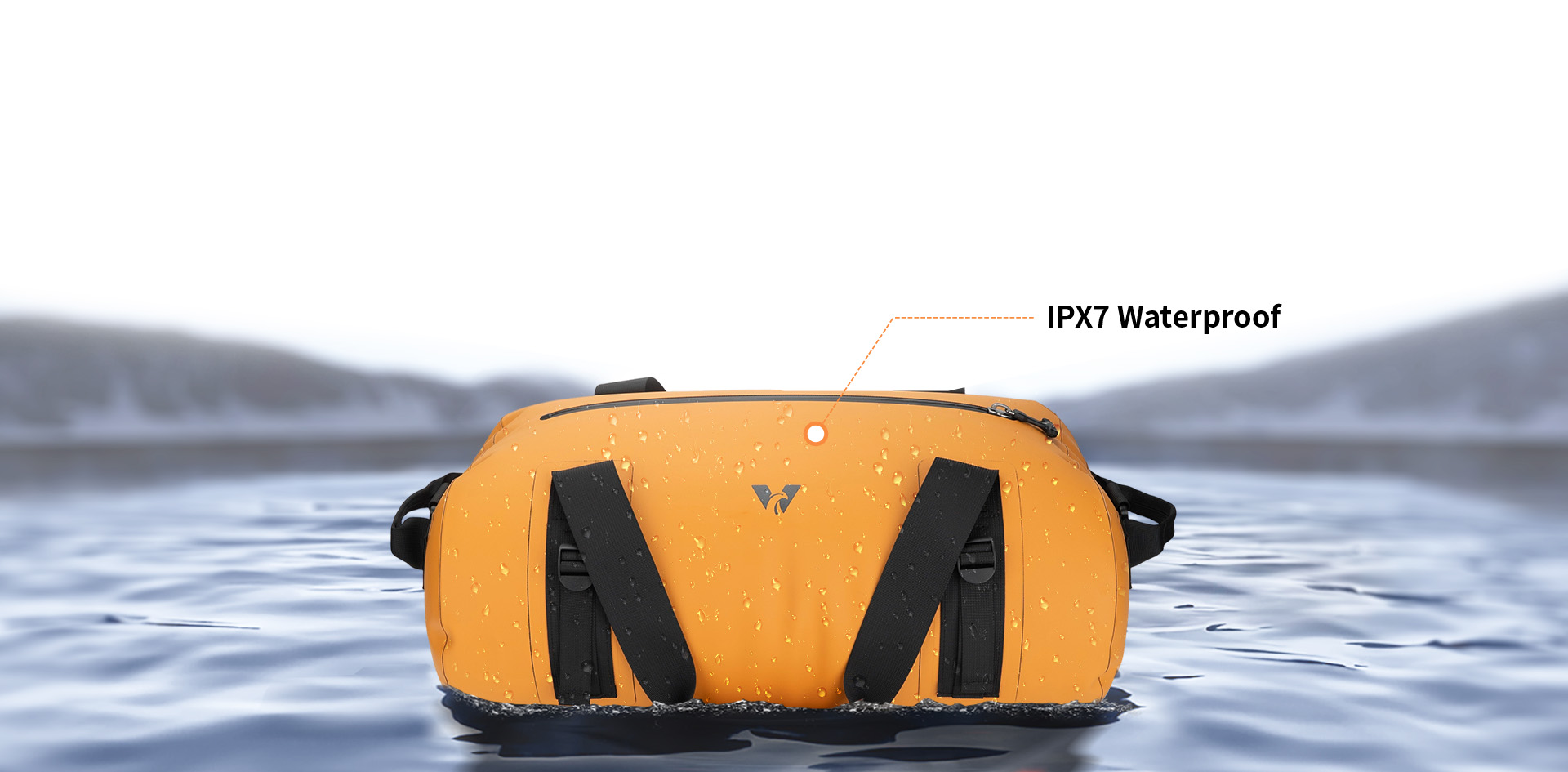
A minimum **IPX7 waterproof rating** on the zipper assembly.
Wide TPU collar patches to reinforce the zipper-to-bag weld.
Pitfall 4: Insufficient Reinforcement at Heavy Stress Points
Users often load watersports gear with heavy equipment. Bags are also lashed to kayak decks, boat transoms, or roof racks, placing high tension on the attachment points.
The Problem with Single-Layer Attachment
An inexperienced watersports bag maker might weld D-rings or shoulder straps directly onto the single-layer outer shell. In the field, the constant pulling force concentrates on these small areas, eventually tearing the patch off and ruining the bag.
A durable bag needs a multi-layer design to distribute these heavy loads safely.
Engineered Stress-Point Reinforcement
For a professional watersports bag maker, anchoring these stress points is a key structural step. The factory should use a two-step reinforcement process:
First, they weld a heavy-duty **reinforcement patch** to the inside of the main bag wall. Next, they attach the outer strap mount using a combination of high-frequency welding and box-stitching. Placing the structural sewing on the non-waterproof outer flap keeps the main compartment sealed and leak-free.
Ask your watersports bag maker if they add structural reinforcement behind every D-ring, handle, and shoulder harness mount.
Pitfall 5: Superficial Quality Control Without Pressurized Leak Testing
Many factories rely only on visual inspections before packing. However, pinholes and weak welds are almost impossible to detect with the naked eye.
The Necessity of Systematic Testing
If your watersports bag maker only relies on visual checks, defective bags will eventually reach your customers. A professional factory must use specialized testing equipment to verify performance.
To ensure a reliable seal, a factory should perform systematic, data-backed tests on production samples:
Inflation Testing: Injecting pressurized air into the bag and monitoring for pressure drops over 24 hours.
Water Submersion Testing: Submerging the inflated bag in a test tank to check for escaping air bubbles.
Hydrostatic Pressure Testing: Verifying the exact water pressure the seams can withstand before leaking.
A quality-focused watersports bag maker maintains dedicated pressure testing stations. They can provide detailed test reports for each production batch, giving you peace of mind before shipment.
In our production facility at weierken, we use these systematic testing protocols to ensure every bag meets our strict waterproof standards.
Frequently Asked Questions (FAQ)
1. What is the difference between sewing and high-frequency welding?
Sewing punctures the material with needles, creating paths for water leakages. **High-frequency welding** uses electromagnetic energy to fuse the polymer molecules, creating a seamless, airtight bond.
2. Why is TPU preferred over PVC for high-end watersports bags?
TPU offers better flexibility in cold weather, higher resistance to UV radiation, and is more environmentally friendly than standard PVC. It also provides excellent **tensile strength** without cracking over time.
3. How does a watersports bag maker verify an IPX7 waterproof rating?
We submerge the bag in water at a depth of one meter for 30 minutes. If the interior remains dry and the bag passes the post-immersion pressure test, it meets the **IPX7 waterproof rating**.
4. How do you prevent shoulder straps from pulling off?
We apply a weldable backing patch to the inside of the bag shell. We then weld the strap anchors to the exterior, distributing the physical stress across a larger surface area.
5. Can weierken customize dry bags for specialized marine equipment?
Yes. As a custom watersports bag maker, we can modify bag shapes, integrate airtight zippers, and add protective interior compartments tailored to your specific gear.
Partner with weierken for Leak-Proof Watersports Gear
Avoiding these five manufacturing pitfalls helps you build a reliable product line that keeps your customers' gear dry. Choosing weierken as your watersports bag maker ensures you receive gear built to handle harsh marine conditions.
We combine advanced **high-frequency welding**, premium TPU fabrics, and strict quality control to deliver durable waterproof solutions. Contact our team to discuss your production needs with a reliable watersports bag maker and request a technical quote today.