

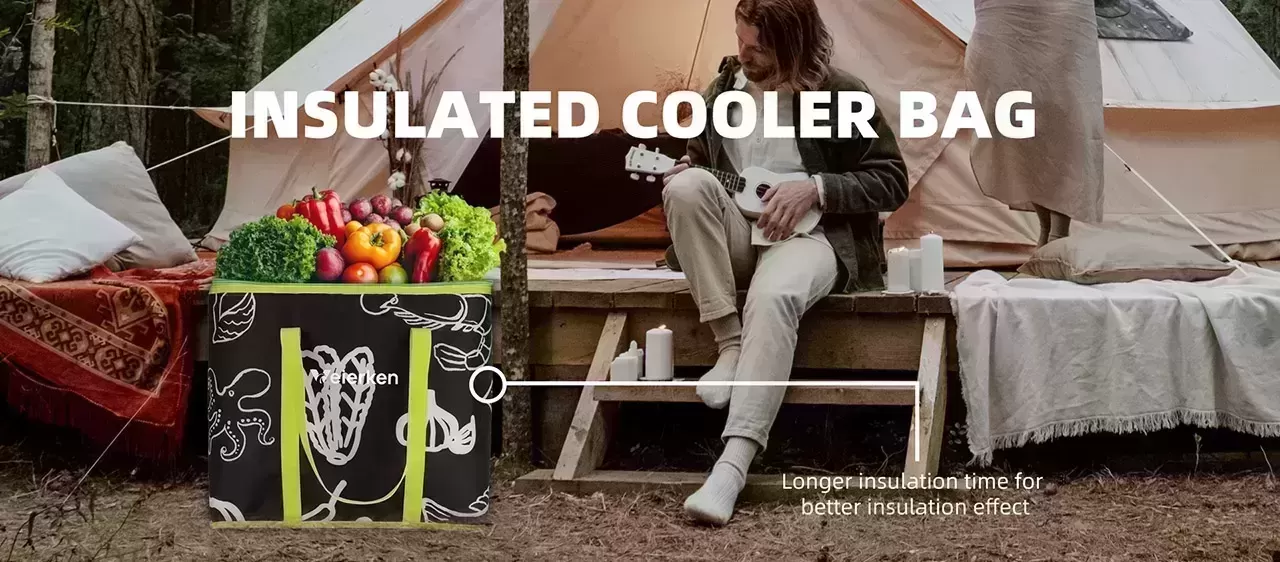
When sourcing commercial thermal packaging for cheese logistics, B2B procurement managers must address a critical regulatory question: Does the manufacturing facility fully comply with food safety standards? Sourcing from an unverified source can lead to contamination, regulatory fines, and damaged shipments.
For cold-chain logistics, partnering with an audited cheese insulated tote factory is essential for protecting your inventory and brand reputation. At Weierken, we operate a compliant cheese insulated tote factory where our engineering team prioritizes compliance, performance, and traceable materials to support your business requirements.
Below is a detailed analysis of the regulatory and manufacturing standards a quality facility must maintain to meet strict food safety guidelines.
1. Food Contact Material Compliance (FDA 21 CFR)
Under FDA regulation 21 CFR (parts 175 through 177), any material that contacts food directly or indirectly must be verified safe. Cheese presents unique challenges because of its complex biochemical structure. The active fats and acids can react with low-quality plastics, causing chemical leaching.
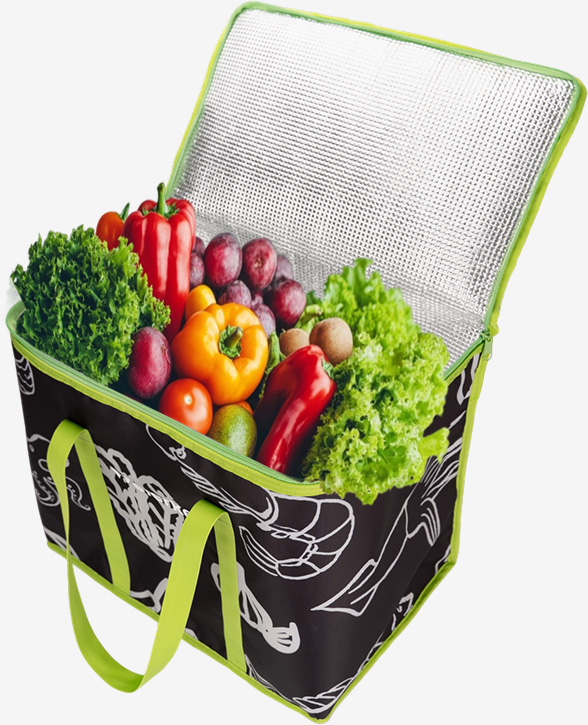
When choosing a cheese insulated tote factory, the first point of inspection must be the inner liner. It must consist of food-grade, virgin polymers that do not migrate into the food items during extended transit.
Approved Polymers: We use high-specification PEVA or TPU lining materials. These materials are naturally free from BPA, lead, and phthalates.
Fat Migration Protection: Fatty cheeses like Cheddar, Brie, and Gouda can degrade standard polymers. Our liners undergo rigorous testing to prevent plasticizers from leaching into high-fat dairy products.
Lactic Acid Resistance: Cheese releases lactic acid during aging and temperature shifts. The lining must withstand this chemical exposure without softening or yellowing.
This is why a professional cheese insulated tote factory must carefully select raw materials. They must ensure that all linings, zipper elements, and seams are verified safe for direct contact with food.
2. Temperature Performance for Cheese Safety
Transporting cheese is a delicate balance. Most varieties require a stable cold-chain environment between 35°F and 45°F (2°C to 7°C) to prevent spoilage and control bacterial pathogens like *Listeria monocytogenes*. If the temperature rises too high, fat separation occurs, spoiling the cheese's texture and flavor.
A qualified cheese insulated tote factory focuses on thermal performance validation. It is not enough to simply assemble insulated fabrics. The complete thermal tote assembly must undergo environmental chamber testing.
4-Hour Cold Retention: The insulated tote must hold temperatures below 45°F for at least 4 hours when packed with standard commercial gel ice packs.
Moisture Management: Condensation can encourage mold growth on soft cheese rinds. Our bags use moisture-resistant barriers to keep the internal environment relatively dry.
Leakproof Heat-Sealed Seams: Melting ice packs can create pooling water. Fused, stitch-free seams prevent this water from escaping the bag or wetting the cheese packaging.
Our lab at our cheese insulated tote factory tests each production batch using multi-channel temperature loggers. We simulate real-world transport conditions before approving any shipment for delivery.
3. Cleanability & Hygienic Design for Food-Grade Operations
The FDA requires food storage and transport equipment to feature smooth, easily cleanable surfaces. Traditional stitched bags have raw fabric edges and needle holes that trap organic residues, making them difficult to sanitize.
A professional cheese insulated tote factory designs containers that eliminate potential bacterial breeding grounds. Our hygienic design features help logistics teams maintain sanitary transport conditions.
Seamless RF Welded Bladders: Fusing the interior panels together eliminates stitched seams and crevices where food residue, bacteria, or moisture can accumulate.
Removable and Washable Dividers: Segmenting blue cheese from mild mozzarella requires physical barriers. Our dividers are fully removable and easy to clean.
Residue-Resistant Zippers: We use smooth-operating, molded plastic zippers that do not trap dairy residues or harbor bacteria.
Using seamless high-frequency welding allows staff to clean the bag with standard sanitizing solutions. A quick wipe down ensures the tote is ready for its next transport cycle without lingering odors.
4. Fully Traceable Quality Documentation
A major difference between an unverified workshop and a professional cheese insulated tote factory is the quality and availability of documentation. B2B buyers must have access to verifiable paper trails to satisfy internal audits and regulatory inspections.
When auditing a cheese insulated tote factory, review their traceability protocols. Every production run must be traceable back to the raw material batch to ensure accountability.
FDA Materials Declarations: We provide formal certificates of compliance (CoC) stating that all food-contact surfaces meet 21 CFR standards.
Batch Traceability: Each production run is assigned a unique batch number, linking the finished product to the raw materials used.
Good Manufacturing Practices (GMP) Reports: Our facility undergoes regular independent audits to verify clean, organized, and compliant assembly lines.
A reliable cheese insulated tote factory maintains a clear paper trail. This documentation provides peace of mind for QA managers and compliance officers during regulatory audits.
5. Why Select Weierken as Your Sourcing Partner?
Choosing Weierken as your cheese insulated tote factory means partnering with a manufacturer that understands the technical demands of cold-chain logistics. We specialize as a dedicated cheese insulated tote factory, testing and refining our products to deliver dependable performance in the field.
Every batch of insulated totes we manufacture undergoes rigorous quality control testing:
Lining Adhesion Test: We verify that the peel strength between the TPU lining and the insulation foam is ≥ 3.5 N/cm, preventing delamination over time.
Cold Chain Simulation: We test bag samples in a 30°C environmental chamber to verify temperature retention profiles.
Material Verification: We conduct periodic third-party testing to ensure our materials remain free of BPA, phthalates, and other restricted substances.
Our engineering team focuses on structural integrity, insulation efficiency, and cleanability. This approach ensures your transport equipment complies with food safety standards and performs reliably over a long service life.
Materials Breakdown: Food-Safe vs. Standard
The table below highlights the differences between materials used in compliant thermal totes versus standard, lower-cost promotional options.
| Component | Standard Promotional Bags | Weierken Compliant Totes | Impact on Food Safety |
|---|---|---|---|
| Internal Liner | Recycled PVC or cheap PEVA | FDA-grade Virgin TPU or High-spec PEVA | Prevents chemical migration and degradation from fats. |
| Panel Joining | Stitched with nylon thread | High-Frequency RF Welded | Eliminates needle holes to prevent mold and water pooling. |
| Insulation | Low-density open-cell PU foam | High-density closed-cell IXPE foam | Prevents water absorption and structural rotting. |
| Internal Dividers | Sewn-in fabric dividers | Removable, sealed TPU panels | Enables thorough cleaning and prevents cross-contamination. |
Advice for B2B Procurement Professionals
We recommend asking potential partners for their FDA compliance documentation package before placing a bulk order. It is also wise to test physical product samples under your actual logistics conditions.
A qualified manufacturer will provide samples for testing and share their compliance documents. Taking these steps helps protect your supply chain from temperature excursions, hygiene failures, and regulatory compliance issues.
If you need a reliable cheese insulated tote factory to support your supply chain, Weierken is here to help. We design and manufacture high-performance thermal totes tailored to your business needs.
Are you ready to secure food-grade solutions for your delivery operations? Request a quote from our engineering team today.
Frequently Asked Questions
What certifications should a cheese insulated tote factory provide?
A reliable factory should provide FDA material compliance certificates for 21 CFR, LFGB testing certificates for European markets, and ISO 9001 quality management documentation. They should also provide GMP audit reports upon request.
What is Simulant D2 testing, and why is it important for cheese transport?
Simulant D2 is a testing protocol that uses vegetable oil or 50% ethanol to simulate the behavior of fatty foods. This test verifies that the bag's lining materials will not release harmful compounds when exposed to dairy fats and oils.
How does RF welding improve the lifespan of an insulated tote?
RF welding fuses the polymer sheets at a molecular level, creating a strong, watertight bond. Unlike stitched seams, welded seams do not fray, loosen, or create pinholes that can trap bacteria and cause mold inside the foam layer.
Can a cheese insulated tote factory help design customized interior layouts?
Yes. A professional factory can design custom interior configurations, including adjustable insulated walls, secure pockets for gel packs, and custom dimensions to fit your specific transport crates.
Why do materials from a specialized cheese insulated tote factory cost more than standard coolers?
Dedicated food-grade bags use premium raw materials, including virgin TPU linings and closed-cell IXPE insulation. These materials are more expensive than basic PVC and open-cell foams, but they offer superior durability, cleanability, and food safety compliance.