

For B2B buyers in the dairy and gourmet food industries, temperature control is a critical factor. Cheese products are highly sensitive to thermal fluctuations and biological contamination. Standard factory audits often fall short because they do not address the unique demands of cold chain packaging.
To secure your supply chain, you need an evaluation process that focuses on material safety, insulation performance, and consistent manufacturing standards. At Weierken, we believe that understanding these audit steps helps global buyers select reliable partners for their thermal packaging needs. This guide outlines six practical steps to assess a potential cheese insulated bag factory.
Step 1: Verify Food-Grade Safety and Material Certifications
Cheese insulated bags often come into indirect or direct contact with food packaging. Therefore, chemical safety is your first line of defense. When auditing a cheese insulated bag factory, look closely at their raw material sourcing.
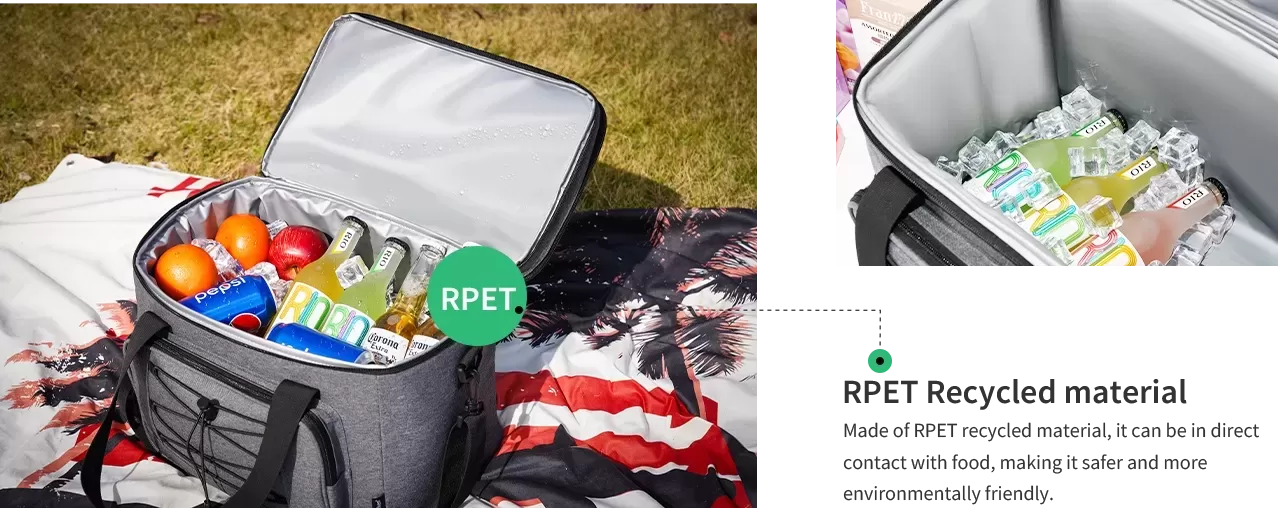
The inner lining—usually made of PEVA, aluminum foil, or TPU—must meet food contact safety regulations. These materials must not leach harmful chemicals or emit strong odors that could taint the cheese.
Key Audit Areas:
FDA and LFGB Compliance: Ensure all lining materials hold valid certificates for food contact safety.
REACH Standards: For European markets, materials must be free from harmful plasticizers and heavy metals.
Material Traceability: The factory must show a clear path from the raw material supplier to the production line.
Do not rely on a factory’s self-declaration forms. Ask to see original, third-party test reports from reputable laboratories like SGS, TÜV, or Intertek. Match the batch numbers on the certificates with the materials currently on the factory floor to verify authenticity.
Step 2: Evaluate Thermal Insulation and Leakproof Engineering
The primary value of a thermal bag is its ability to slow down heat transfer. Cheese requires stable, cool temperatures to prevent oil separation and spoilage. During your tour of a cheese insulated bag factory, inspect the insulation core.
This core is typically Expanded Polyethylene (EPE) foam. For cheese transport, we recommend an EPE thickness between 3mm and 8mm, depending on transit times. The factory must assemble these layers without creating thermal bridges that allow heat to enter.
Key Audit Areas:
Seam Construction: Traditional stitching creates needle holes. Melted ice pack condensation can leak through these holes. High-frequency welding or hot-pressing creates seamless, leakproof barriers.
Foam Density: Ask if the factory uses high-density EPE foam. Low-density foam compresses too easily, reducing its thermal performance under pressure.
Zipper Design: Inspect the zippers. Waterproof or airtight zippers help prevent warm air infiltration.
Ask if the cheese insulated bag factory has an in-house thermal testing lab. Reliable manufacturers use temperature-controlled chambers to log real-time temperature drops over set periods. This data ensures the bag will perform well in real-world shipping conditions.
Step 3: Inspect Workshop Hygiene and Dust-Free Controls
Because these thermal bags are used in food logistics, the production environment must minimize contamination risks. A dirty workshop can introduce dust, mold, or pests into the packaging materials.
Walk through the cutting, sewing, heat-sealing, and packaging lines of the cheese insulated bag factory. Look for signs of dust, pests, or stray materials that could enter the supply chain. The factory layout should prevent cross-contamination.
Key Audit Areas:
Pest Control Systems: Verify the presence of insect traps and rodent bait stations near entrances.
Staff Hygiene Standards: Check if workers in the packaging area wear hairnets, clean uniforms, and sanitizing footwear.
Clean Storage: Raw material rolls and finished bags must be stored off the ground on clean pallets.
At Weierken, we emphasize clean, elevated storage areas to protect finished bags from ground moisture and dust contamination. A professional cheese insulated bag factory should always separate raw material storage from finished goods zones.
Step 4: Assess Production Capacity and Automation Levels
Timely delivery is critical, especially during peak holiday seasons when cheese gift boxes are in high demand. Your audit must confirm that the factory’s capacity can handle your order volume without sacrificing quality.
When auditing a cheese insulated bag factory's capacity, look at their equipment to see how they manage scale. Automated machinery reduces human error and ensures that every bag in a large batch is identical.
Key Audit Areas:
Automated Machinery: Check for computer-controlled cutting machines and automatic sewing or heat-welding units.
Workstation Layout: A well-organized, lean production line reduces bottlenecks and minimizes handling damage.
Labor Stability: Ask about the percentage of permanent versus temporary workers, which affects production consistency.
Ask the factory management for their actual monthly output records, rather than their theoretical maximum capacity. Inquire about their average lead times during peak periods, and find out how they allocate extra labor when demand surges.
Step 5: Review the Quality Control (QC) System and Traceability
A dependable cheese insulated bag factory does not rely solely on a final pre-shipment inspection. They must have quality gates at every stage of production to catch defects early.
Ask to review their Quality Management System (QMS) documentation. Check if the factory employs dedicated QC inspectors who are independent of the production team.
Key Audit Areas:
Incoming Quality Control (IQC): How do they test incoming rolls of outer fabric, thermal lining, and zippers before production begins?
In-Process Quality Control (IPQC): Are there dedicated inspectors checking seam strength and alignment during the assembly process?
Final Quality Control (FQC): Do they run pressure tests or water-fill tests on finished bags to check for leaks?
Ask about their traceability protocols. If a customer reports a defect after delivery, can the factory trace the batch back to the specific material roll, production line, or shift? A robust batch-coding system is a sign of mature management.
Step 6: Verify Social Responsibility and Factory Compliance
Modern B2B sourcing requires compliance with global ethical standards. Working with non-compliant suppliers poses significant regulatory and reputational risks to your brand.
Choosing a cheese insulated bag factory with strong social compliance ensures fair labor practices, safe working conditions, and responsible environmental management. During your audit, request documentation regarding these practices.
Key Audit Areas:
Social Responsibility Audits: Look for valid BSCI, SEDEX (SMETA), or SA8000 audit reports.
Quality Management Certifications: Ensure the facility holds a current ISO 9001 certification to prove standard administrative practices.
Waste Management: Verify how the factory disposes of scrap material and chemical adhesives used in assembly.
Read the corrective action plans (CAP) from their previous third-party audits. A factory that actively resolves past non-conformities is usually a reliable and transparent partner.
Comparison of Audit Standards for Food-Grade vs. Standard Factories
To help you understand the differences during your audit, review this comparison table showing what to expect from a specialized food-grade supplier versus a standard bag manufacturer.
| Audit Criteria | Standard Bag Factory | Specialized Cheese Insulated Bag Factory |
|---|---|---|
| Material Testing | Basic tensile strength; self-declared compliance. | Third-party SGS/LFGB certificates for direct contact. |
| Seam Technology | Stitched seams (prone to leaking condensation). | High-frequency welding or seamless hot-pressing. |
| Workshop Hygiene | General manufacturing setup; minimal dust controls. | Zoned production; pest control; strict staff hygiene. |
| Traceability | No formal batch tracing for raw materials. | Full traceability from raw material roll to shipped carton. |
---
Frequently Asked Questions
1. What materials are best for the inner lining of a cheese insulated bag?
For cheese products, food-grade PEVA or TPU linings are highly recommended. These materials are easy to clean, waterproof, and do not emit odors that could affect the cheese. Aluminum foil is also effective for heat reflection but must be laminated correctly to prevent tearing.
2. Why is hot-pressing preferred over traditional sewing for cheese transport bags?
Traditional sewing creates tiny needle holes along the seams. When ice packs inside the bag melt, the resulting condensation can leak through these holes, damaging the outer packaging. Hot-pressing or high-frequency welding melts the materials together to create a 100% leakproof seam.
3. What is the standard thickness of insulation foam required for cheese shipping?
We generally recommend an EPE foam thickness between 3mm and 8mm. For short-distance deliveries or retail shopping, 3mm to 5mm is usually sufficient. For long-distance cold chain logistics or hot summer climates, 8mm foam or double-layered insulation is safer.
4. How can I verify if a cheese insulated bag factory is truly food-grade compliant?
You should request original test reports from independent testing bodies like SGS, Intertek, or TÜV. These reports must show compliance with FDA (FDA 21 CFR) or European LFGB standards for food-contact materials. Check that the reports are current and match the supplier’s name.
5. Can I customize the sizes and compartments of these bags for different cheese products?
Yes. A professional manufacturer can customize the dimensions, add internal mesh pockets for ice packs, or design dividers to separate different types of cheese. During your audit, check if the factory has a dedicated sample-making department to handle custom designs
Selecting the right manufacturing partner is a balancing act of safety, thermal performance, and production capacity. By focusing on material compliance, leakproof engineering, and structured quality control, you can protect your dairy products from temperature excursions and maintain your brand reputation.
As an experienced cheese insulated bag factory, Weierken is committed to meeting these high manufacturing standards. We focus on reliable construction, clear material safety, and thorough quality testing to support your distribution needs.
If you are planning your next sourcing project or need a detailed assessment of our manufacturing capabilities, please contact our team. Request a quote or send us your specific design requirements today.