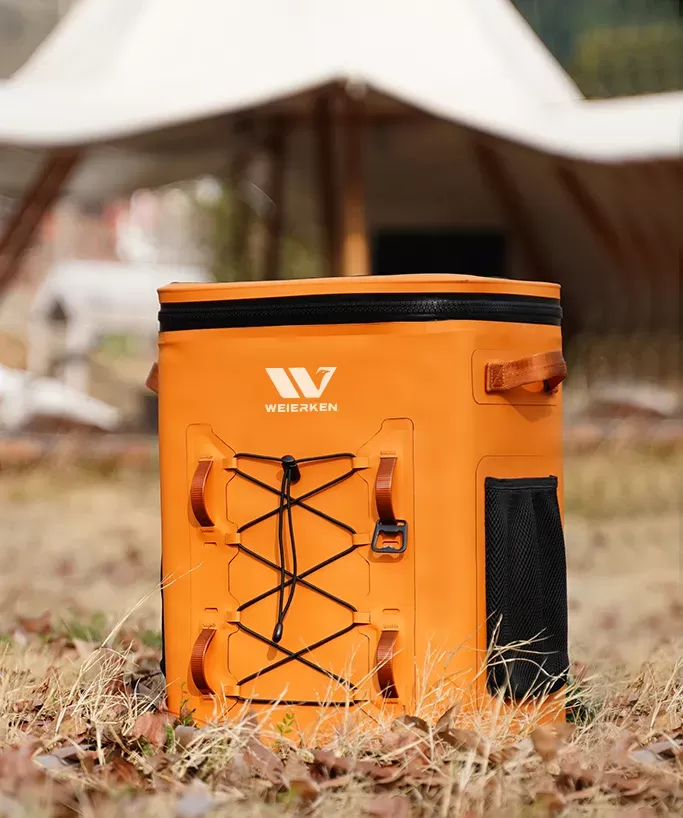


Transporting temperature-sensitive dairy products requires highly specialized logistics equipment. Cheese contains active cultures, high fat levels, and moisture that can easily compromise standard insulated bags. If you source your packaging from an unqualified manufacturer, you risk structural failure, hygiene issues, and spoiled inventory.
To avoid these issues, your procurement team must ask detailed technical questions during the sourcing process. Selecting a specialized cheese thermal bag factory is critical to obtaining a reliable solution. Weierken, an experienced cheese thermal bag factory, understands that raw material quality and precise manufacturing methods determine the success of your cold chain transport.
When evaluating a potential cheese thermal bag factory, standard marketing claims are not enough. Ask these five technical questions to verify their engineering capabilities and material compliance.
1. Have Your Lining Materials Passed FDA or LFGB Migration Tests Specifically for "High-Fat Foods"?
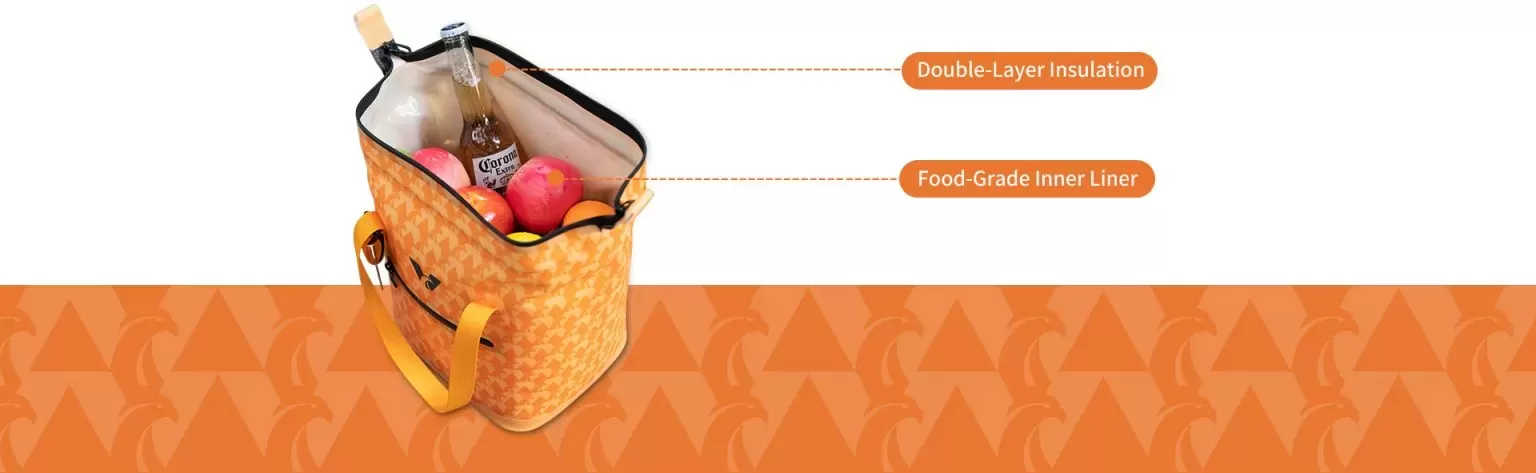
Many insulation bag manufacturers provide generic food-grade certificates. However, cheese presents a unique challenge due to its high lipid (fat) content. Dairy fats act as natural solvents that can degrade cheap plastics and cause chemical migration.
Your primary goal is to ensure that the interior lining material—whether it is Thermoplastic Polyurethane (TPU) or Polyethylene Vinyl Acetate (PEVA)—does not leach plasticizers, monomers, or heavy metals into the cheese when exposed to dairy fats.
The Risk of Generic Linings: Standard PVC or low-grade PEVA can soften and degrade under constant contact with cheese fats, releasing harmful chemicals.
Targeted Testing: You must verify testing against specific food simulants designed to replicate fatty food environments.
Compliance Standards: Ensure your chosen cheese thermal bag factory has done targeted testing for global compliance.
The Direct Follow-Up Question:
"Has your lining material passed overall migration testing (OML) using fatty food simulants, such as Simulant D2 (vegetable oil) or 50% ethanol? Can you provide copies of the latest FDA or LFGB test reports specifically verifying safety with fatty foods?"
A qualified cheese thermal bag factory should easily supply these reports, proving their raw materials are safe for direct contact with dairy products.
2. Is Your Antimicrobial Technology Integrated into the Raw Polymer, or Is It an Aftermarket Surface Coating?
During transport, cheese can release moisture, condensation, and liquid whey. This liquid is nutrient-rich, creating a perfect environment for bacterial growth, mold, and sour odors. Insulated bags must have reliable, long-lasting antimicrobial protection to prevent contamination.
However, the application method of the antimicrobial agent determines its durability. Cheap surface sprays wear away quickly, whereas in-line polymer integration provides permanent protection.
Surface Coatings: Topical chemical sprays wash off after several cleanings, exposing the plastic underneath to microbial colonization.
In-Line Integration: Integrating antimicrobial silver-ion or zinc-based particles directly into the liquid TPU or PEVA resin before extrusion creates a permanent defense.
Wipe-Down Durability: In-line integration ensures the antimicrobial agent remains active even after hundreds of wipe-downs with sanitizers.
The Direct Follow-Up Question:
"How do you apply the antimicrobial and anti-mold agents to the interior lining? Specifically, what percentage of antibacterial effectiveness (e.g., against Escherichia coli and Staphylococcus aureus) does the liner maintain after 100 manual washes with neutral detergents?"
Ask your cheese thermal bag factory how they address long-term bacterial control. A reliable cheese thermal bag factory will be transparent about their chemical processing methods and durability ratings.
3. Are the Internal Seams Stitched, or Fused Using High-Frequency/Ultrasonic Welding?
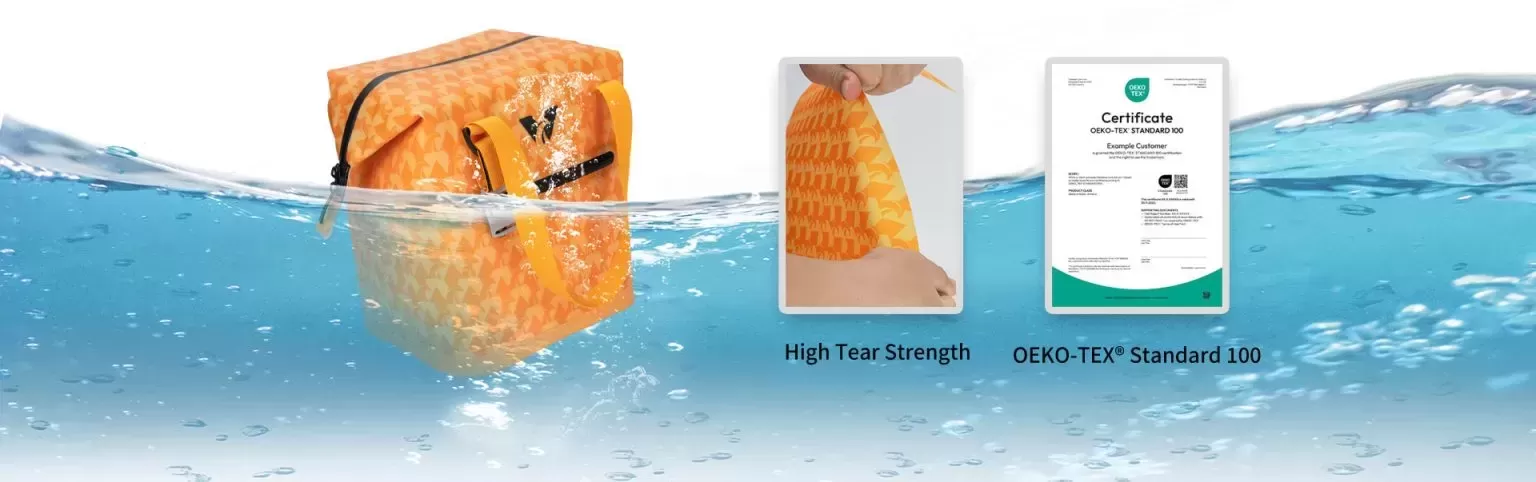
Traditional industrial sewing machines use needles that pierce the fabric, leaving thousands of tiny holes along every seam. These pinholes compromise the thermal bag's integrity.
Over time, condensation, melted ice, and spilled whey seep through these needle holes. Once moisture enters the interior foam insulation, it cannot be cleaned, resulting in mold, bacteria, and permanent odors.
The Pitfalls of Stitching: Stitched seams trap food particles and organic liquids, making the bag impossible to fully sanitize.
RF Welding: High-Frequency (RF) welding uses electromagnetic energy to melt and fuse the polymer sheets together, creating a single, continuous barrier.
Ultrasonic Fusing: This technique uses high-frequency mechanical vibrations to create a seamless, solid joint without adhesives or sewing threads.
When auditing a cheese thermal bag factory, inspect their joint-assembly machinery. Seamless thermal welding is essential for maintaining strict hygiene standards.
Any industrial cheese thermal bag factory must design closures that prevent leak pathways. This includes zippers and thermal barriers.
The Direct Follow-Up Question:
"Are your interior linings 100% sealed using high-frequency welding or hot-melt sealing technology? Additionally, do the zipper regions feature a waterproof storm flap or leakproof barrier to prevent condensation from seeping into the insulation core?"
4. Can Your Factory Provide Thermal Performance Validation Reports for the 2°C to 8°C Range?
Most cheeses require a stable temperature range of 2°C to 8°C during transit to prevent spoilage. Temperatures above 8°C can cause fat separation, moisture loss, and rapid bacterial growth, while freezing temperatures can destroy the cheese's delicate texture.
You need to verify that the manufacturer can design an insulation profile (foam material type and thickness) capable of maintaining these temperatures over your specific transit times.
Insulation Material: Closed-cell foams like Irradiation Cross-linked Polyethylene (IXPE) provide reliable thermal performance without absorbing moisture.
Testing Chambers: Professional manufacturers test their products in environmental chambers that simulate hot summer conditions.
Validation Data: Reliable factories use temperature data loggers to generate performance curves under real-world conditions.
A reputable cheese thermal bag factory does not rely on guesswork. They should back their insulation designs with empirical data.
The Direct Follow-Up Question:
"Can your bags maintain an internal temperature of 2°C to 8°C for at least 8 to 12 hours in a 30°C environment when packed with a standard gel ice pack? Do you have temperature validation charts or environmental chamber testing data to support these configurations?"
Ask the cheese thermal bag factory to provide raw thermal validation data to confirm their bags will perform reliably in the field.
5. What Types of Commercial Cleaning and Disinfection Protocols Do the Bags Support?
In B2B logistics, thermal bags are reusable assets. To maintain hygiene standards, these bags must undergo frequent, aggressive cleaning and sanitization protocols between delivery cycles.
You must ensure that the materials used in the bag's construction can withstand daily exposure to industrial cleaning agents without degrading, delaminating, or cracking.
Chemical Resistance: The exterior and interior materials must resist breakdown from chlorine-based sanitizers, quaternary ammonium compounds, and isopropyl alcohol.
Structural Integrity: The bag must resist delamination—where the outer fabric separates from the inner insulation—under mechanical cleaning stress.
Machine Washing: If your operations require commercial laundry machines, the structural welds must be rated for machine wash cycles.
The Direct Follow-Up Question:
"Can your thermal bags be sanitized with chlorine-based disinfectants or 70% isopropyl alcohol spray without causing the polymers to crack or delaminate? If we put these bags through a commercial wash cycle, how many cycles can they withstand before the structural seams are compromised?"
Before signing a procurement contract, clarify if the cheese thermal bag factory supports these intensive cleaning requirements.
Summary of Key Sourcing Criteria
Use the checklist below during vendor evaluations to ensure you select a manufacturer capable of meeting commercial dairy transport standards.
| Technical Requirement | Unqualified Factory Standard | Professional Factory Standard | Logistical Impact |
|---|---|---|---|
| Food Safety Testing | Generic FDA plastic report | FDA/LFGB fatty food (D2) migration test | Prevents chemical transfer to high-fat cheeses. |
| Antimicrobial Application | Topical spray on the surface | In-line masterbatch polymer integration | Provides long-term protection against mold and odors. |
| Seaming Method | Traditional thread stitching | High-Frequency RF Welding | Eliminates stitch holes, making the bag leakproof. |
| Thermal Validation | Assumed temperature claims | Chamber testing data and curves | Ensures stable temperatures between 2°C and 8°C. |
| Sanitization Limits | Hand wash with water only | Chemical spray and machine washable | Enables rapid sterilization for reuse. |
Work with Weierken for Professional Cold Chain Solutions
Partnering with the right cheese thermal bag factory helps protect your inventory, maintain hygiene, and lower your long-term equipment replacement costs.
As a commercial-focused cheese thermal bag factory, Weierken offers technical assistance to logistics managers and dairy brands worldwide. Our engineering team designs insulated transport bags using advanced TPU materials, high-frequency welding, and verified thermal cores to meet demanding industry standards.
Our manufacturing facility is equipped to handle complex custom requests, including custom dimensions, specialized compartment dividers, and corporate branding.
Do you need custom thermal bags for your commercial dairy business? Contact our team today to request a quote or discuss your material specifications.
Frequently Asked Questions
How can I verify if a cheese thermal bag factory uses authentic food-grade linings?
Request official, third-party laboratory test reports from accredited bodies like SGS, TÜV, or Intertek. The reports should clearly state compliance with FDA 21 CFR or EU Regulation No. 10/2011, with specific testing for fatty food stimulants.
Why is PEVA or TPU preferred over PVC for food delivery bags?
TPU and high-grade PEVA do not require phthalate plasticizers to remain flexible. This makes them safer for food contact, more resistant to cracking in cold temperatures, and less likely to absorb oil-based odors.
Can thermal bags prevent the transfer of strong odors between different types of cheeses?
They can, provided the interior features an integrated active carbon layer and uses a high-density, non-porous TPU lining. The seamless design prevents volatile organic compounds from contaminating neighboring products.
Can a cheese thermal bag factory customize the internal compartments?
Yes. Many professional manufacturers can add adjustable, insulated dividers using hook-and-loop fasteners or welded channels. This allows you to transport different items at varying temperature zones within the same bag.
How does humidity affect the thermal insulation inside these bags?
If the insulation core uses open-cell foam, high humidity can cause water absorption, which dramatically reduces its thermal efficiency. Using closed-cell IXPE foam ensures the insulation performance remains consistent, even in high-condensation environments.