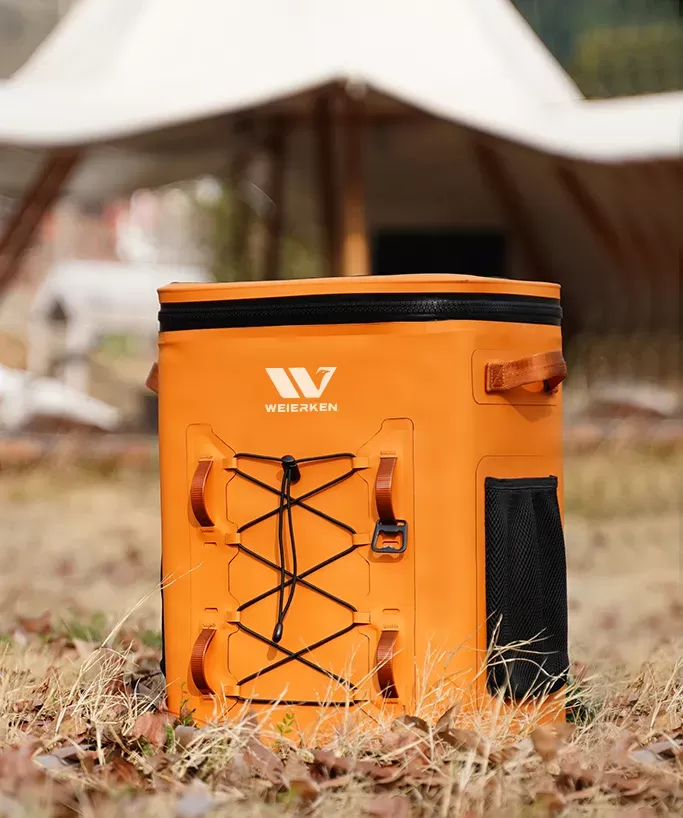

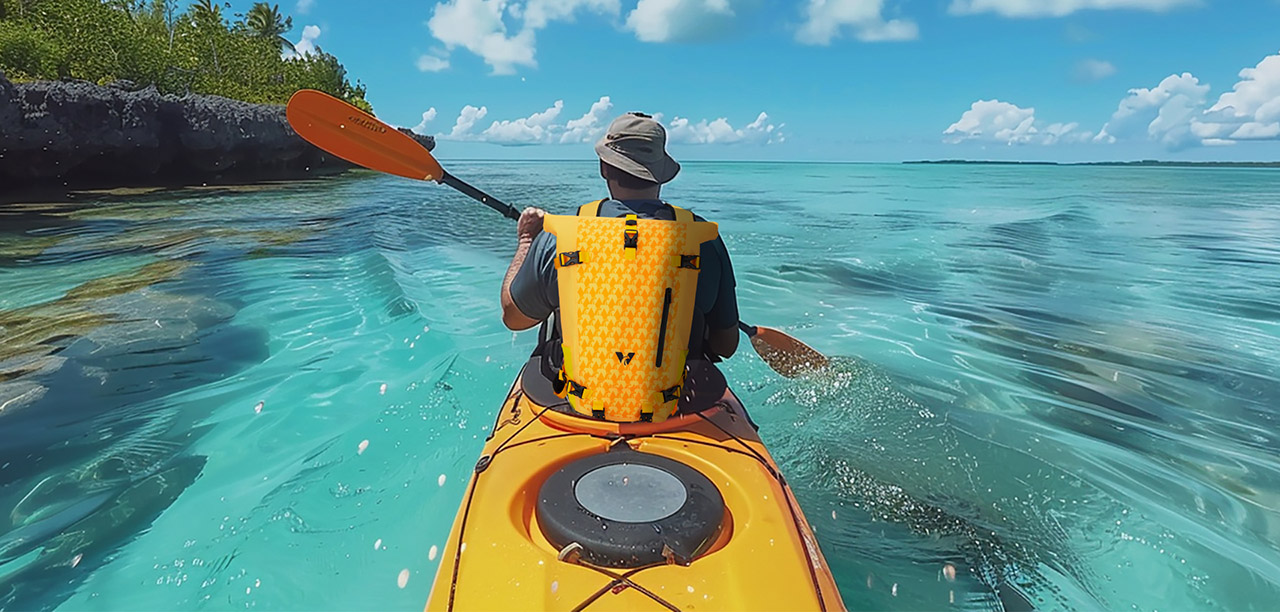
Water sports like stand-up paddleboarding (SUP), kayaking, canoeing, and canyoning are growing rapidly in popularity worldwide. As more people take to the water, the demand for high-performance protection gear continues to rise. Consumers need reliable gear that protects expensive electronics, keys, and clothing if they fall overboard.
Standard dry bags can keep moisture out during a light rain shower, but they often fail when submerged. If a bag lacks proper airtightness, it will quickly fill with water and sink to the bottom. Working with a reliable floatable bag maker allows brands to offer products that keep gear bone-dry and float on the surface for easy retrieval.
As an established B2B floatable bag maker, weierken works with outdoor brands, safety equipment distributors, and marine supply companies. We produce high-frequency welded bags designed to survive challenging aquatic environments.
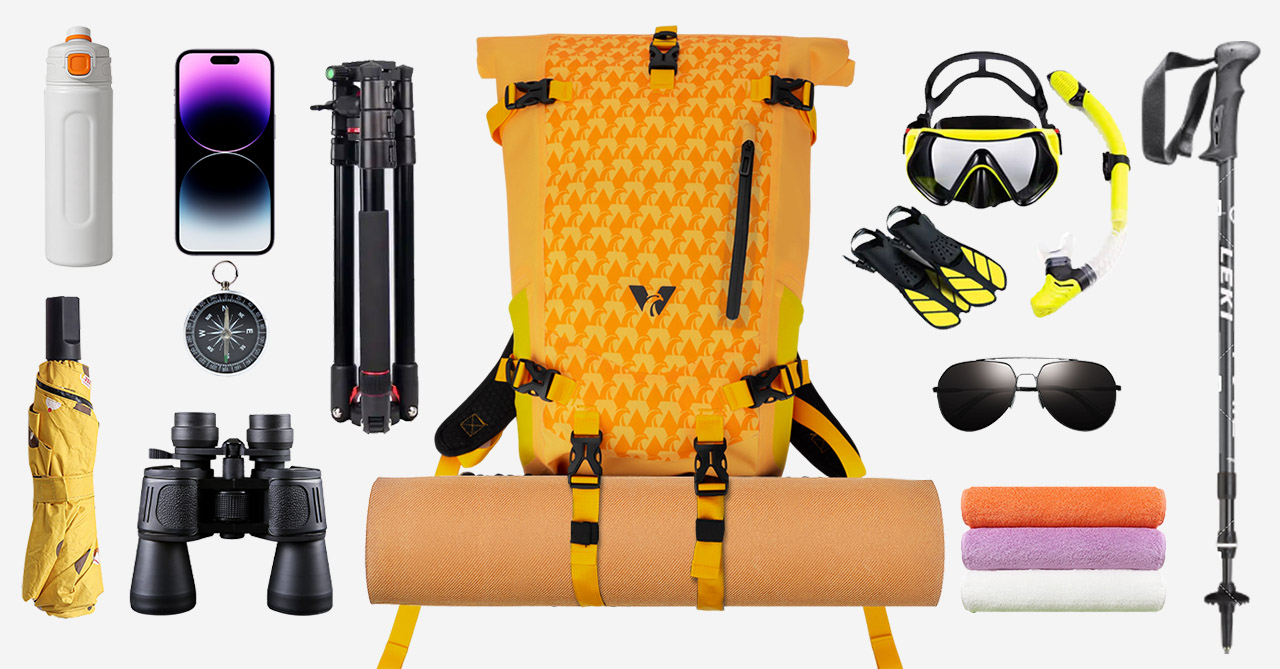
Engineering Buoyancy: Technical Requirements for Floatable Dry Bags
Any experienced floatable bag maker knows that stitching and sewing are not suitable for true marine-grade waterproof bags. Traditional sewing needles create thousands of microscopic holes in fabric that allow pressurized water to seep inside. To prevent this, specialized factories use advanced manufacturing techniques.
1. High-Frequency (HF) Welding Technology
A professional floatable bag maker relies on high-frequency (HF) welding rather than traditional sewing machines. This process uses electromagnetic energy to heat and fuse the molecular structures of two plastic-coated fabric sheets.
Structural Fusion: The welded seams become a single, solid piece of material, offering incredible tear resistance.
Hermetic Seal: HF welding creates a completely airtight seal that keeps water out and traps air inside, creating reliable high-frequency welded waterproof bags.
Consistent Quality: Automated welding machines ensure that every seam is consistent, reducing the risk of manual assembly defects.
2. Advanced Material Selection: TPU vs. PVC
When choosing a floatable bag maker, material composition is crucial. The raw materials directly impact the bag's weight, durability, environmental footprint, and cold-weather flexibility.
TPU (Thermoplastic Polyurethane): This material is highly durable, lightweight, and remains flexible in sub-zero temperatures. It is also more eco-friendly than older plastics. Working with an OEM TPU dry bag factory is ideal for brands aiming for the premium outdoor market.
PVC Tarpaulin: This traditional material offers excellent scratch resistance and is highly cost-effective, making it a popular choice for rental fleets and commercial rafting companies.
3. Airtight and Buoyancy Engineering
To keep a bag floating when loaded with heavy gear, it must trap a sufficient volume of air inside. This requires reliable sealing systems and air control components.
Roll-Top Closure Systems: Folding the stiffened collar of the bag three to four times before buckled closure creates a mechanical barrier against water ingress.
Airtight Zippers: For advanced designs, heavy-duty waterproof zippers block air and water even under moderate pressure.
One-Way Inflation Valves: These valves allow users to blow air into the bag to increase buoyancy, or vent excess air to compress the bag for storage. This feature is common among products from an experienced airtight floating backpack supplier.
Rigorous Quality Control and Marine-Grade Testing
Every reputable floatable bag maker implements a strict testing schedule. Since outdoor enthusiasts rely on these bags to protect valuable gear, manufacturers must verify their performance before shipment.
At weierken, we utilize a series of quality assurance checks during production:
24-Hour Inflation Test: Completed bags are inflated to a specific pressure and monitored over 24 hours to ensure there are no slow air leaks.
Submersion Chamber Testing: Bags are held underwater to verify they meet strict ratings, helping brands distribute certified IPX7 waterproof gear wholesale.
Tensile Strength Testing: We pull-test shoulder straps, D-rings, and carry handles to confirm they will not tear away when the bag is wet and fully loaded.
Salt Spray and UV Aging: Materials and hardware are exposed to salt mist and intense ultraviolet light to simulate years of heavy sun and ocean use.
Custom OEM/ODM Capabilities for Water Sports Brands
When selecting a floatable bag maker for custom projects, look for a partner that offers complete design flexibility. Custom details help your brand stand out in a crowded retail market.
At weierken, we act as a tailored floatable bag maker by offering versatile customization options:
Aesthetic and Ergonomic Customization
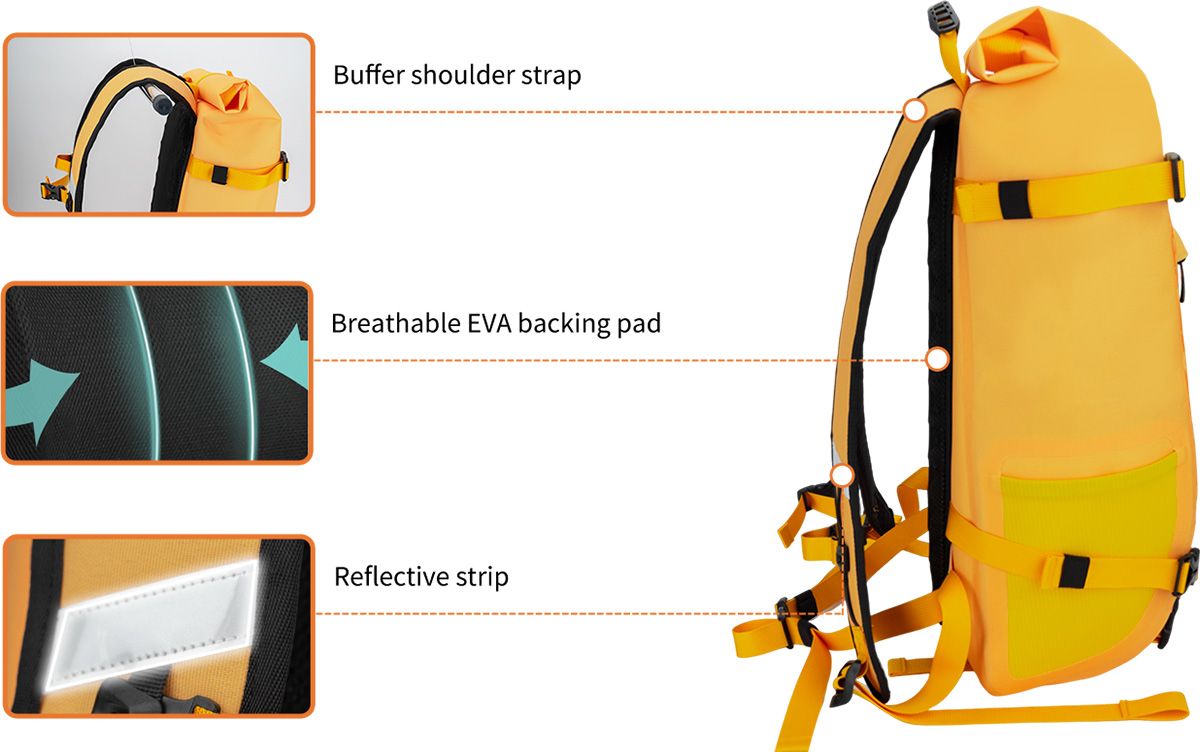
High-Visibility Printing: We offer silk-screen printing, reflective logos, and bright safety colors to help users stay visible in low-light conditions.
Comfort-Focused Back Systems: For larger backpacks, we integrate quick-drying EVA foam padding, breathable mesh shoulder straps, and adjustable chest buckles to reduce fatigue.
External Attachment Systems: Adding laser-cut MOLLE webbing, elastic bungee cords, and mesh side pockets allows users to secure water bottles or wet gear to the outside of the bag.
B2B Supply Chain Support
A reliable waterproof dry bag manufacturer must offer more than just quality products; they must also provide dependable logistics support.
Fast Prototyping: We can turn your 2D technical drawings into physical, testable samples within 7 to 10 working days.
Flexible MOQs: We offer scalable minimum order quantities to support both growing niche brands and large-scale sporting goods retail chains.
Predictable Lead Times: Our structured production scheduling ensures that bulk orders are completed and shipped on schedule, helping you prepare for peak summer selling seasons.
Frequently Asked Questions
What makes a dry bag floatable compared to standard waterproof bags?
A professional floatable bag maker designs the bag with completely airtight seams and secure closures. This keeps air trapped inside the main compartment, which acts as a built-in flotation device to keep the bag afloat even when carrying heavy gear.
How does high-frequency welding compare to glued seams?
Glued seams can degrade over time when exposed to heat, humidity, and saltwater. High-frequency welding permanently fuses the fabrics at a molecular level, creating a much stronger bond that will not peel, crack, or leak over time.
What are the main benefits of choosing TPU over PVC?
A floatable bag maker will recommend TPU for premium applications because it is lighter, more flexible in cold weather, and highly resistant to punctures. TPU is also easier to recycle and does not release harmful chlorine-based chemicals during manufacturing.
How do you test if a floating bag meets IPX7 standards?
To verify IPX7 performance, we submerge the sealed bag under 1 meter of water for 30 minutes. After retrieval, we open the bag to inspect the interior for any moisture. This testing is standard for suppliers of IPX7 waterproof gear wholesale.
Can you customize the buoyancy capacity of a floating backpack?
Yes, we can adjust the internal volume of the bag, use thicker foam panels, or integrate a manual inflation valve. These design adjustments allow the bag to float even when carrying heavy photography gear, tools, or emergency supplies.
Establish Your Next Product Line with weierken
Providing your customers with reliable, high-performance water sports gear requires careful attention to detail, quality materials, and proven welding technology. Partnering with a dedicated floatable bag maker like weierken gives your brand access to durable, field-tested dry bags and backpacks.
Whether you need lightweight TPU dry sacks for kayakers or heavy-duty floating backpacks for search-and-rescue teams, weierken has the engineering experience to bring your designs to life. Sourcing your line from an experienced floatable bag maker keeps your inventory reliable and your customers satisfied.
Contact our B2B sales team today to discuss your product specifications, request a prototype, or receive a manufacturing quote.