

Cheese is a delicate, high-value food product. Its quality depends entirely on maintaining a stable temperature from the creamery to the customer's kitchen. Even minor temperature fluctuations can cause soft cheeses to sweat, release oil, or spoil prematurely, which ruins the customer experience.
Because cheese is highly sensitive, your packaging is just as important as the product itself. A generic thermal carrier often fails to provide the precise climate control required for artisan dairy goods. Partnering with a dedicated cheese thermal bag maker like Weierken ensures your brand delivers fresh, safe, and premium products every time.
For B2B buyers, choosing an OEM manufacturing partner is a strategic decision. You need a partner that offers reliable manufacturing, consistent quality, and verified compliance. Let's examine the essential elements that define a trustworthy manufacturing partner.
1. Custom Structural Engineering and Rapid Prototyping
A capable OEM insulated bag manufacturer does more than sew fabric panels together. They help you solve complex cold-chain challenges through smart structural design. Every cheese variety has different packaging requirements, and a standardized bag rarely fits them all.
During the design phase, an experienced factory will help you integrate several custom structural features:
Ice Pack Compartments: Custom mesh pockets hold gel packs securely, preventing them from shifting and directly crushing soft cheeses.
Dry/Wet Division: Dedicated internal barriers keep condensation away from paper-wrapped cheese blocks, protecting the integrity of your retail packaging.
Structural Reinforcement: Rigid plastic inserts or high-density foam panels keep the bag's shape intact, preventing heavy items from crushing delicate cheeses during transit.
To confirm these designs work in practice, the factory must offer rapid prototyping. An agile engineering team can convert your 2D sketches or 3D files into physical samples within days. This speed allows you to run temperature tests with real cheese samples before committing to a full production run.
2. Food-Safe Materials and Rigorous Compliance
Food contact safety is non-negotiable in dairy logistics. The interior lining of your bag will exist in close proximity to edible goods, meaning cheap, low-grade plastics are unacceptable. Safe manufacturing practices protect your consumers and shield your business from legal liabilities.
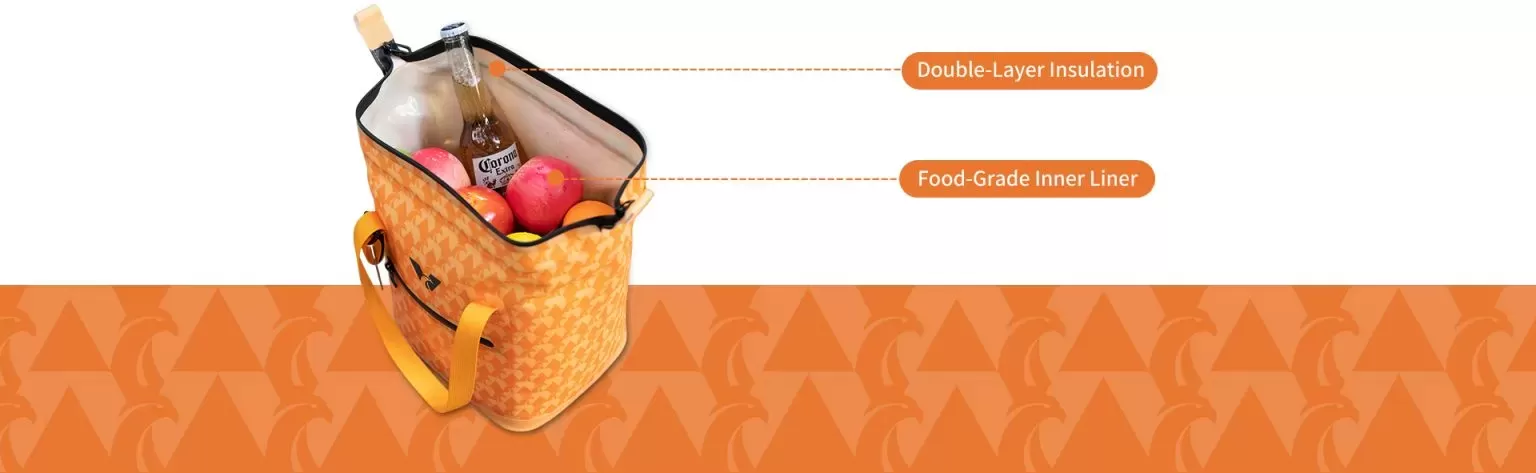
A reliable supplier uses certified materials to manufacture certified food-grade thermal bags. The inner liners should consist of high-purity PEVA or thick, non-toxic aluminum foil. These materials must comply with FDA and LFGB standards, ensuring they do not release odor, plasticizers, or heavy metals into the bag.
Additionally, the manufacturing facility itself must pass international standards. Look for factories with BSCI, Sedex, or ISO 9001 certifications. These audits prove the factory maintains ethical labor practices, safe working conditions, and consistent quality management systems.
3. Batch-to-Batch Quality Consistency and Rigorous Testing
A common pain point for B2B buyers is the discrepancy between the approval sample and the final mass-produced goods. While the prototype may look great, mass-produced items sometimes suffer from loose stitching, weak zippers, or leaking linings. A professional factory prevents these issues through strict quality control (QC) procedures.
At Weierken, we implement a comprehensive quality control system at every stage of production:
Incoming Quality Control (IQC): Testing all incoming raw materials, including fabrics, insulation foams, and webbing, for tear strength and colorfastness.
In-Process Quality Control (IPQC): Inspecting seam strength and stitch density directly on the sewing line.
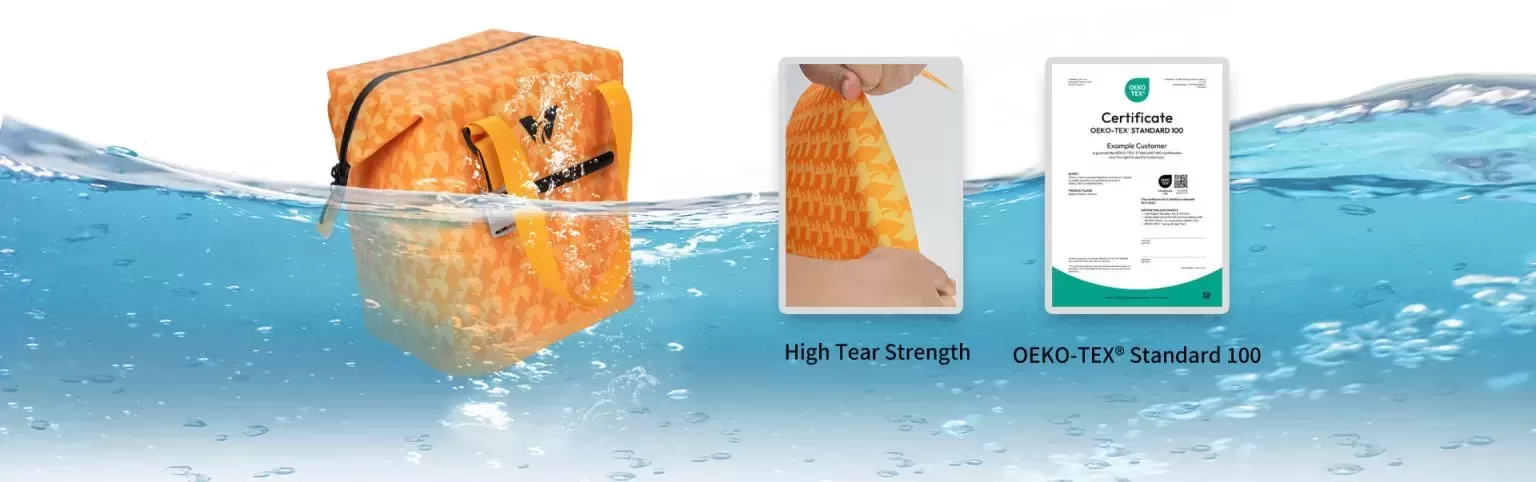
Airtightness & Leak Testing: Testing high-frequency welded liners to ensure they are completely waterproof before final assembly.
Thermal Performance Simulation: Placing finished bags in temperature-controlled chambers to verify their ice retention times under real-world conditions.
This systematic testing ensures that your final production batch performs exactly like the approved sample, protecting your brand's reputation in the marketplace.
4. Branding Customization and Exquisite Logo Printing
Your insulated carrier is a mobile billboard for your brand. When customers carry your custom bags, they promote your cheese shop or dairy brand. That is why you need high-quality custom private label thermal bags that match your company's aesthetic.
A professional factory provides several customization options to make your bags stand out. You can choose eco-friendly, water-based screen printing for clean, odorless logos. If your brand features complex designs, heat transfer printing provides vibrant, full-color reproduction.
For high-end products, consider molded silicone patches, woven labels, or debossed logos on TPU fabrics. The factory can also provide customized metal zipper pulls, private-label hangtags, and branded retail packaging. These premium details justify a higher retail price for your products.
5. On-Time Delivery and Supply Chain Resilience
In the food industry, timing is critical. If your wholesale food cold chain carrier bags arrive late, your dairy inventory might spoil in storage, leading to missed delivery windows and lost revenue. You need a partner with a resilient supply chain and predictable lead times.
When choosing a manufacturer, inquire about their material sourcing and production planning. A professional factory maintains safety stocks of common raw materials, such as standard polyester fabrics, buckles, and insulation foams. This inventory helps them absorb sudden supply chain shocks or shipping delays.
They should also provide clear, realistic production schedules. A reliable partner will keep you updated throughout the manufacturing process, from raw material sourcing to final loading, ensuring you can coordinate your logistics with confidence.
Selecting a cheese thermal bag maker is more than a simple transaction; it is a long-term partnership that affects your product quality, brand image, and operational costs. A reliable manufacturer acts as an extension of your brand, protecting your products during delivery.
At Weierken, we combine custom design, food-safe materials, and strict quality control to manufacture reliable thermal carriers for dairy producers worldwide. We work closely with you to design high-performance custom printed cheese cooler bags that meet your specific operational needs and budgetary goals.
Do you need a reliable manufacturing partner for your next product line? Contact Weierken today to submit your inquiry and speak with our design team about your project.
Frequently Asked Questions
How does a cheese thermal bag maker test temperature retention?
We test our bags by placing them in temperature-controlled environmental chambers. We fill the bags with a set amount of ice or gel packs and use internal sensors to log temperature changes over 12, 24, or 48 hours. This data helps us verify that the insulation thickness meets your cold chain requirements.
Are custom printed cheese cooler bags completely odorless?
Yes. Because cheese readily absorbs surrounding odors, we use only premium, odorless PEVA or food-grade aluminum foil for our liners. We also use eco-friendly, solvent-free water-based inks for printing, ensuring your packaging never alters the natural aroma or flavor of your cheese.
Can we get custom private label thermal bags made from recycled materials?
Yes, we offer GRS-certified recycled fabrics, such as RPET, which are made from post-consumer plastic bottles. You can pair these sustainable exterior fabrics with biodegradable or recyclable insulation foams, helping your brand meet its environmental and corporate responsibility goals.
What certifications should we request from an OEM insulated bag manufacturer?
You should verify that the manufacturer holds ISO 9001 certification for quality management, alongside social compliance audits like BSCI or Sedex. For food contact materials, ensure they can provide test reports from independent laboratories (like SGS or Intertek) verifying FDA or LFGB compliance.
What is the typical production lead time for a bulk order?
Our standard production lead time is 35 to 45 days after you approve the pre-production sample and we receive the deposit. This timeline can vary slightly depending on the season, order size, and material complexity. We always provide a clear schedule before starting production.