

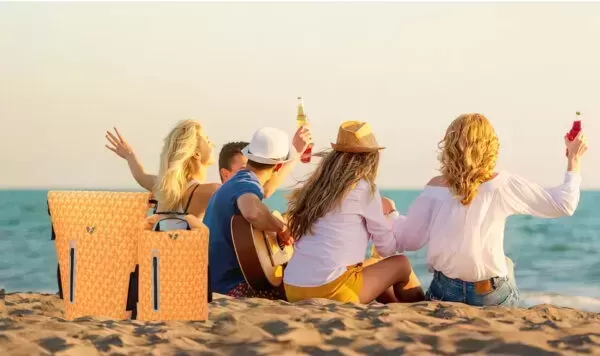
Outdoor recreation continues to grow globally. More consumers are planning extended road trips, car camping adventures, and weekend overland excursions. These long-distance journeys require reliable equipment to keep food and beverages cold over several days.
For outdoor brands, promotional gift buyers, and sourcing managers, finding the right manufacturing partner is essential. A reliable road trip cooler bag maker must deliver products that survive constant movement, temperature swings, and rough handling. Weierken supports businesses by manufacturing durable, high-performance soft-sided coolers designed for demanding travel environments.
Evaluating a supplier requires looking beyond basic price points. It involves understanding the materials, the assembly methods, and the quality control systems. This guide explains how an experienced road trip cooler bag maker uses advanced materials and modern OEM processes to build reliable products.
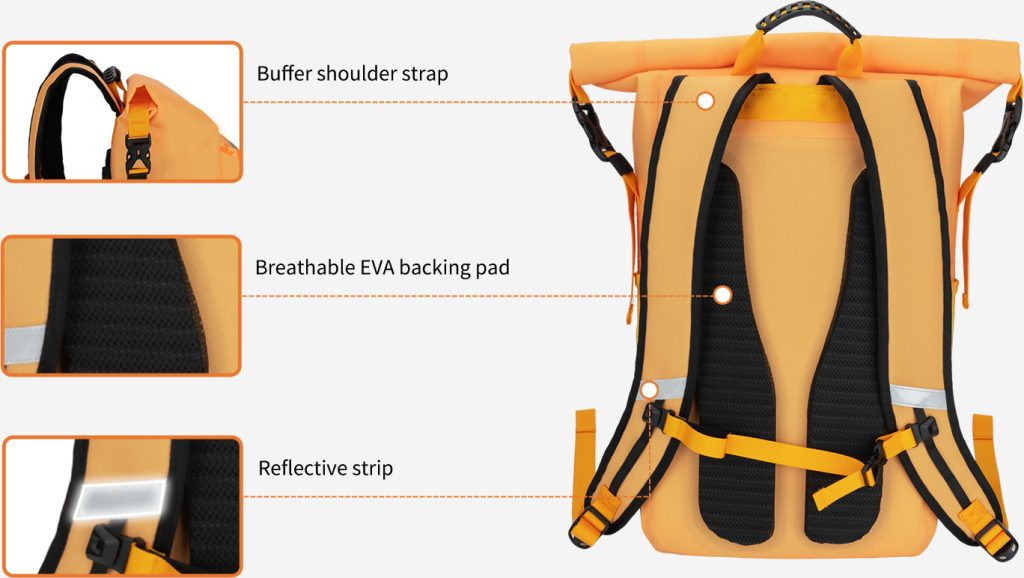
Selecting Advanced Materials for High-Performance Coolers
The durability of a soft-sided cooler depends heavily on its bill of materials (BOM). Standard retail coolers often fail during long trips because they rely on cheap polyester and basic PVC backings. Professional manufacturing requires a more robust selection of materials.
A dependable road trip cooler bag maker builds soft coolers using a three-layer system. Each layer serves a specific purpose, protecting the contents from heat, impacts, and moisture.
Outer Shell Materials: TPU vs. Traditional Fabric
The outer shell acts as the first line of defense against physical wear. Traditional coolers often use low-grade Oxford fabric with PVC backings. These materials scratch easily, degrade under direct sunlight, and crack in cold weather.
For high-end applications, a quality custom cooler bag manufacturer uses double-sided TPU (Thermoplastic Polyurethane) coated fabrics, such as 840D nylon. TPU provides several clear functional benefits:
Excellent Abrasion Resistance: TPU resists punctures from sharp branches, rocks, and vehicle trunks.
Environmental Resilience: It does not crack or harden in freezing conditions and withstands long UV exposure.
Eco-Friendly Composition: Unlike PVC, TPU is recyclable, non-toxic, and aligns with modern brand sustainability goals.
When sourcing TPU soft cooler wholesale products, choosing high-denier fabrics ensures the bag maintains its shape and protects the inner insulation from compression.
Insulation Layer: Maximizing Thermal Efficiency
The core performance of a cooler rests on its insulation layer. Cheap promotional bags typically use thin Expanded Polyethylene (EPE) pearl cotton. This material collapses under pressure, losing its insulating properties and offering only a few hours of thermal protection.
In contrast, a professional road trip cooler bag maker uses thick, high-density closed-cell foam, often made from NBR (Nitrile Butadiene Rubber) or PVC blends. Closed-cell structures offer superior thermal control:
Low Thermal Conductivity: Tiny, sealed gas pockets slow down the transfer of heat from the outside environment.
Structural Resilience: Closed-cell foam resists compression, retaining its thickness and insulating values even under heavy loads.
Extended Cooling Windows: This high-density foam keeps ice frozen for 24 to 72 hours, which is ideal for long road trips.
Using these materials allows brands to supply reliable bulk road trip food coolers that perform well during multi-day travel.
Food-Grade Liners: PEVA vs. TPU
The inner liner directly contacts food, ice, and drinks. It must remain waterproof, easy to clean, and chemically safe. A trusted road trip cooler bag maker uses food-grade liners made of PEVA (Polyethylene Vinyl Acetate) or thick TPU films.
These liner materials are selected for critical performance characteristics:
Food Safety Compliance: All lining materials must meet FDA, LFGB, and REACH standards to ensure they are free from BPA, phthalates, and heavy metals.
Antimicrobial Properties: Modern liners are treated to resist mold, mildew, and lingering odors caused by moisture.
Simple Maintenance: Smooth, non-porous surfaces allow users to easily wipe away spilled food, grease, or dirt.
---
Core Manufacturing Technologies for Leakproof Performance
High-quality materials only work well when assembled with precision. In the soft-sided cooler industry, seam construction determines whether a product is waterproof or prone to failure. Traditional stitching creates thousands of needle holes, which inevitably leak as ice melts inside the bag.
As an established OEM cooler bag factory, Weierken uses advanced production techniques to make sure every seam remains completely sealed and dry.
High-Frequency RF Welding Technology
To eliminate leak points, a professional leakproof cooler bag manufacturer uses Radio Frequency (RF) welding instead of traditional sewing. This process uses electromagnetic energy to heat and fuse polar polymer materials.
During RF welding, the outer shell and inner liner materials are pressed together under high pressure. The RF energy agitates the molecules, causing them to melt and fuse into a single solid piece.
True Seamless Construction: The fused seam matches the strength of the original fabric, preventing any water from leaking through.
Uniform Pressure Distribution: RF welding creates consistent joints, avoiding the weak spots common in manually sewn products.
Improved Aesthetics: RF welding cooler bags have clean, modern seam lines that improve the overall look of the product.
Airtight and Waterproof Zipper Integration
The zipper is another common failure point for road trip coolers. Melting ice can easily leak through standard zippers when a bag tips over in a moving vehicle. Moisture can also seep out if the bag is placed on its side.
To address this, an experienced road trip cooler bag maker installs specialized airtight and waterproof zippers. These designs are engineered for demanding conditions:
TIZIP or Custom TPU Zippers: These zippers use interlocking plastic teeth wrapped in a TPU-coated tape. When closed, they form a tight seal that prevents water and air from escaping.
Heavy-Duty Pull Tabs: Because airtight zippers require more force to open, factories reinforce the pull tabs and surrounding fabric to prevent tearing.
Water-Resistant PU Covers: For mid-range designs, manufacturers use polyurethane-coated reverse coil zippers. While not fully submersible, they block light rain and splashes.
Structural Reinforcements for Heavy Loads
A soft cooler filled with ice, drinks, and food can easily weigh over 15 kilograms. This weight puts high stress on the carry handles, shoulder straps, and attachment points.
A reliable road trip cooler bag maker reinforces these areas to prevent failures during transport:
Bar-Tack Stitching: High-stress areas, like handle mounts, receive dense, repetitive stitching patterns to distribute the weight.
Reinforced Anchor Plates: Factories place rigid plastic or thick TPU backing plates behind fabric layers to stop rivets and straps from pulling through the fabric.
D-Ring Attachment Points: Tough D-rings, secured with heavy nylon webbing, let users tie the cooler down securely in trucks or boats.
Tailored OEM and ODM Solutions for Global Brands
Sourcing products for a global brand requires more than just buying pre-made designs. It demands a cooperative partner who can handle custom designs, manage logistics, and meet international regulatory standards.
At Weierken, we work closely with clients throughout the manufacturing process. We help turn concepts into retail-ready products that meet the standards of the outdoor market.
Design Support and Rapid Prototyping
An experienced road trip cooler bag maker must work comfortably with varied design inputs. Whether a brand provides basic sketches or detailed engineering files, the factory needs to translate those ideas accurately.
Tech Pack & CAD Analysis: Our engineering team reviews 2D patterns and 3D CAD models to optimize designs for efficient mass production.
Rapid Prototyping: We quickly produce functional samples, typically within 7 to 14 days, allowing brands to test fits, features, and styling before committing to full production.
Material Substitution Guidance: If a brand needs to meet a specific retail price point, we suggest alternative materials that lower costs without hurting product performance.
Broad Scope of Customization Options
Different markets require different cooler configurations. A quality custom cooler bag manufacturer offers a wide range of customization options to help brands stand out:
| Customization Category | Available Options & Specifications |
|---|---|
| Volume & Capacity | From compact 10L personal daypack coolers up to heavy-duty 40L family road trip models. |
| Exterior Colorways | Pantone matching for fabrics, zippers, and webbing straps to match brand guidelines. |
| Logo Application | High-frequency debossing, durable silk-screen printing, or stitched rubber patches. |
| Added Functionality | Integrated bottle openers, dry storage compartments, molded cup holders, and MOLLE webbing. |
Supply Chain Compliance and Performance Testing
When importing bulk shipments, compliance and quality testing are non-negotiable. Leading retail brands require verified laboratory testing to protect their reputation and avoid customs delays.
A professional road trip cooler bag maker operates under strict manufacturing standards:
Social and Quality Audits: Factories should maintain active certifications like BSCI, SMETA, and ISO 9001 to verify fair labor and reliable quality control.
Thermal Performance Testing: Coolers undergo temperature testing in environmental chambers to confirm their ice retention capabilities.
Mechanical Durability Tests: Tensile testers check the strength of the straps, while zipper-cycling machines verify zipper durability over thousands of uses.
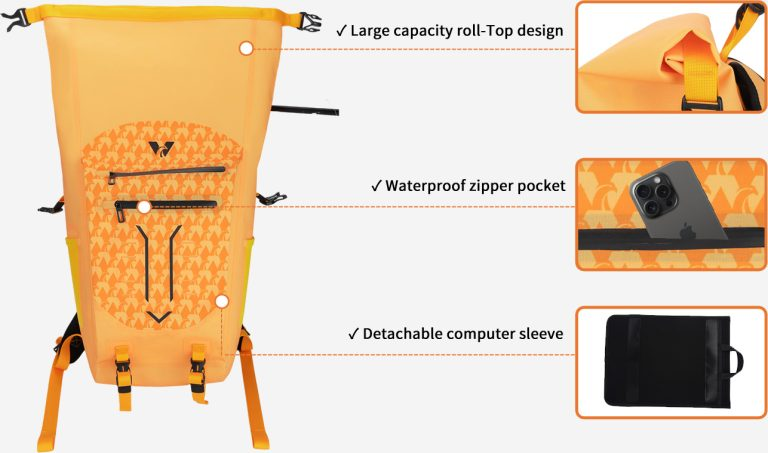
Choose a Reliable Manufacturing Partner
Working with a specialized manufacturer helps your brand avoid the quality issues, delayed shipments, and design mistakes that can happen with general-purpose bag factories.
Weierken brings years of manufacturing experience, working with advanced materials like TPU and using modern production methods like RF welding. We focus on producing reliable, long-lasting products that help outdoor brands build customer trust. By managing everything from design and material sourcing to final testing, we ensure your products perform well on every trip.
If you are planning your next product line or need a dependable partner for TPU soft cooler wholesale manufacturing, contact us today. Our engineering team is ready to assist with your specifications, share material samples, and provide an accurate quote for your project.
Are you ready to develop your next soft-sided cooler? Submit an inquiry today to speak with our project managers and get a detailed quote within 48 hours.
Frequently Asked Questions
1. What is the Minimum Order Quantity (MOQ) for custom road trip cooler bags?
Our standard MOQ for custom orders typically starts at 500 units per design. This quantity allows us to set up RF welding machinery efficiently and source custom-colored TPU fabrics. We can sometimes adjust this quantity depending on the materials selected and our current production schedule.
2. How long can your soft-sided coolers keep ice frozen?
Ice retention depends on the thickness of the closed-cell foam and the ambient temperature. Our premium coolers, built with 25mm to 30mm NBR/PVC closed-cell insulation and airtight zippers, can keep ice frozen for 48 to 72 hours in typical outdoor conditions.
3. Are the materials used in your liners safe for food and drinks?
Yes. We use food-grade PEVA and TPU lining materials. All liners comply with international safety standards, including FDA, LFGB, and REACH regulations. They are BPA-free, non-toxic, and naturally resist mold and odors.
4. Can we customize the cooler bag with our brand's logo and custom colors?
Yes. As a full-service custom cooler bag manufacturer, we offer extensive branding options. We can match exterior fabrics and webbing to Pantone colors, and apply logos using silk-screen printing, molded rubber patches, or high-frequency debossing.
5. What is the typical lead time for production and sample delivery?
Developing a custom sample typically takes 7 to 14 days, depending on fabric availability and design complexity. Once the sample is approved and we receive the deposit, mass production takes about 45 to 60 days.
6. How do you test the leakproof quality of your coolers?
Every production batch undergoes strict leak testing. We fill the finished coolers with water, seal them, and place them in different positions for 24 hours to ensure there is no seam seepage or zipper leakage. We also perform load drop tests to verify the strength of the handles and straps.