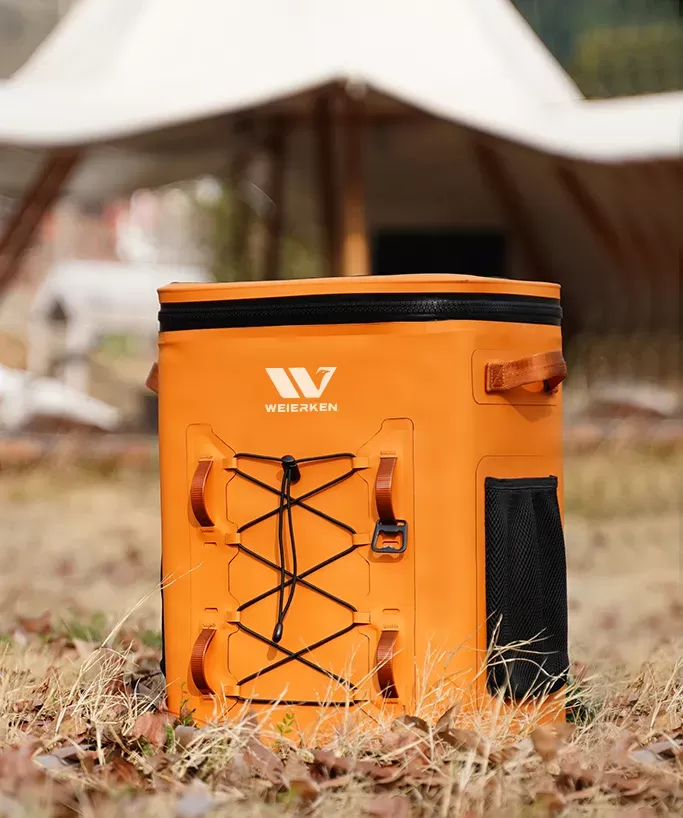

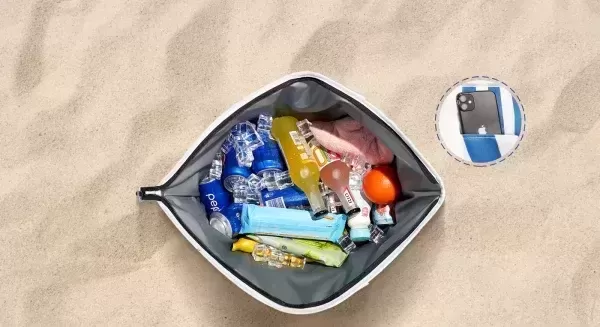
In the luggage and bag manufacturing industry, the terms "waterproof" and "water-resistant" are often used interchangeably by consumers. However, for B2B procurement managers, these terms represent completely different technical realities. Misunderstanding this distinction can lead to product failures and costly customer returns.
When you seek a competent water resistant bag maker, relying solely on low pricing is a risky strategy. You must evaluate potential partners on their material expertise, machinery, and quality control processes. This checklist serves as a practical guide for your next sourcing project.
As an experienced manufacturer in this space, weierken understands that a durable, water-resistant product requires attention to detail at every step. Let us look at what you need to verify before signing a manufacturing agreement.
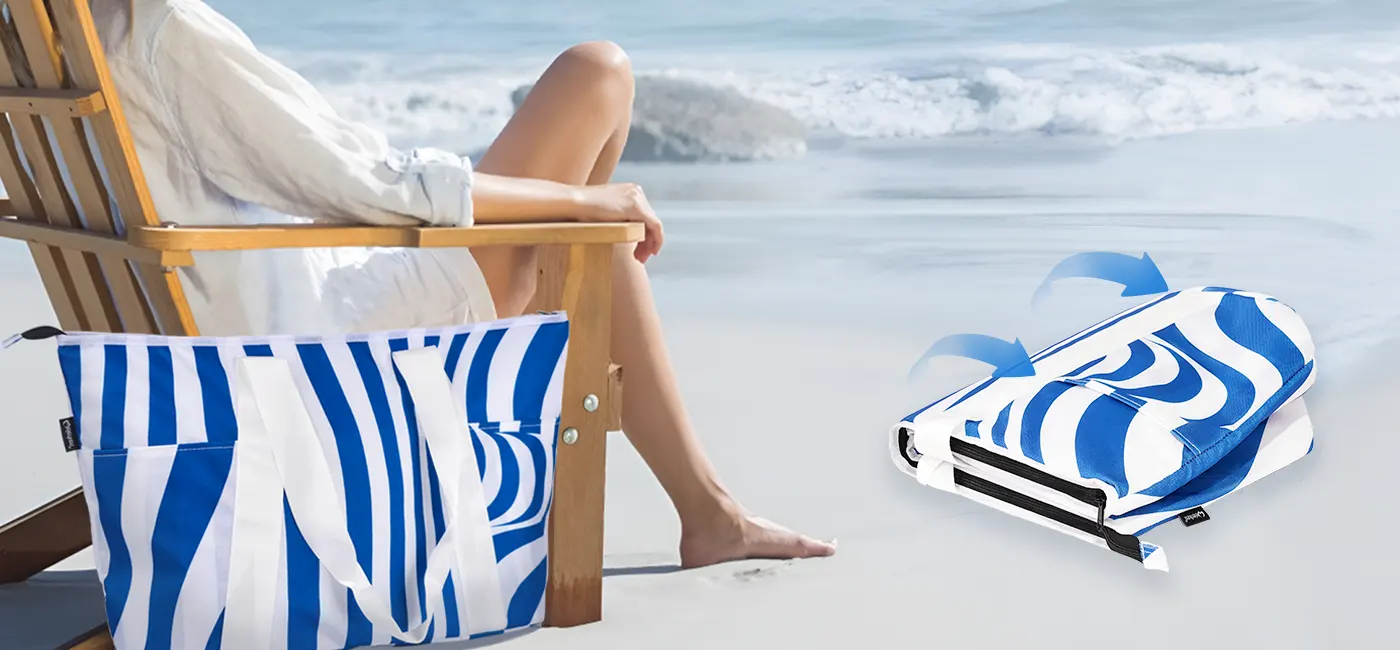
1. Material & Fabric Expertise
The performance of any water-resistant bag starts with the raw materials. Fabrics do not naturally repel water unless they undergo specific treatment or lamination processes. Your manufacturer must understand these materials thoroughly.
Evaluating Fabric Coatings and Laminations
Ask potential suppliers about the specific treatments they offer. A professional water resistant bag maker should be highly familiar with the following options:
Durable Water Repellent (DWR): A chemical finish applied to the outer surface of fabrics. It causes water to bead up and roll off rather than penetrate the fibers.
Polyurethane (PU) Coating: Applied to the backside of fabrics like polyester or nylon to block water penetration. It offers a balance of flexibility and cost-effectiveness.
Thermoplastic Polyurethane (TPU) Lamination: A more durable and eco-friendly alternative to PU. TPU film is laminated directly onto the fabric, providing excellent water barrier properties and wear resistance.
PVC Coating: Highly waterproof and heavy, often used for industrial dry bags, though less eco-friendly.
Compliance with Environmental Standards
Regulations vary significantly across regions. If you are selling in the European Union or North America, you must verify that the chemical coatings used by the manufacturer comply with local safety laws.
Ensure the factory can provide test reports for REACH and RoHS compliance.
Confirm whether they can supply fluorine-free DWR finishes, as many markets now restrict perfluorinated chemicals (PFAS).
Ask if they source materials certified by the Global Recycled Standard (GRS) if sustainability is part of your brand identity.
Fabric Selection Based on Use Case
A knowledgeable manufacturer will not simply take your order without analyzing the product's intended use. They should recommend the right fiber density, measured in denier (D), and fabric types like nylon, polyester, or branded options like Cordura.
For light daily commuting, a 600D polyester with a light PU coating is often sufficient.
For outdoor trekking, a 420D ripstop nylon with a double-sided TPU coating might be necessary.
Discuss the weight and stiffness of the fabric to ensure the final product retains its shape.
2. Construction & Manufacturing Technologies
Even the best waterproof fabric will leak if the assembly method is weak. Stitching creates thousands of tiny holes in the fabric. A professional water resistant bag maker must have the tools and skills to seal these puncture points.
This is where weierken focuses heavily during our production planning, matching the right sewing or welding technology to the specific requirements of the bag design.
Stitching and Seam Taping
Traditional sewing is still the most common assembly method. However, to keep water out, standard stitching needs modification.
Water-Resistant Thread: Check if the supplier uses expanding threads. These threads swell when wet, naturally sealing the stitch holes.
Seam Sealing Tape: This involves applying a hot-melt adhesive tape over the stitched seams using a specialized seam taping machine. It blocks water from entering through the sewing holes.
Seamless Welding Technology
If your project requires a completely waterproof product, such as a marine dry bag, traditional sewing will not work. You need to look for a manufacturer with welding capabilities.
High-Frequency Welding (HF Welding): This process uses electromagnetic energy to fuse TPU or PVC materials together at the molecular level, creating a permanent, watertight bond.
Hot Plate/Hot Air Welding: Ideal for materials that do not react well to high-frequency waves. It melts the contact surfaces together under pressure.
Accessory and Zipper Integration
Zippers are the most vulnerable part of any bag. A quality manufacturer must know how to select and install the right closure systems.
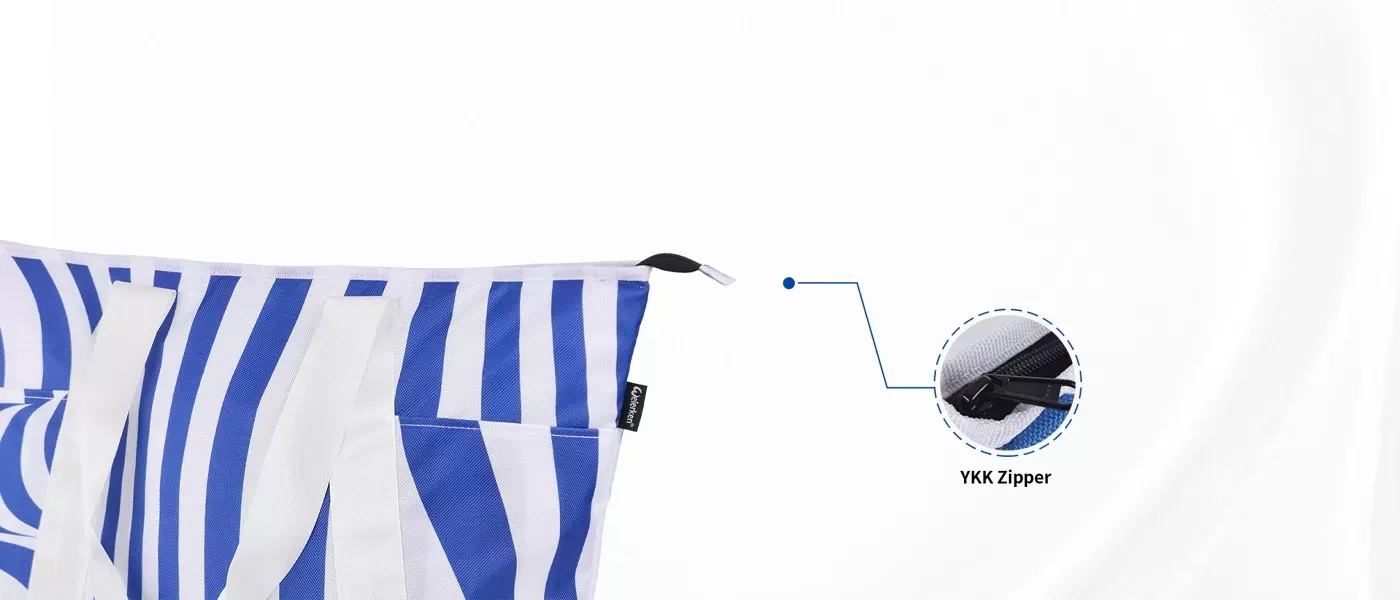
Confirm their experience with water-repellent zippers, such as the YKK AquaGuard series or high-quality equivalent brands.
Check how they construct zipper garages—the small fabric hoods that protect the zipper slider when fully closed.
Ensure that any metal buckles, D-rings, or snaps are made of rust-resistant materials like anodized aluminum or marine-grade plastics.
3. Quality Control & Testing Standards
You cannot rely on visual inspection alone to verify water resistance. A reliable supplier must possess internal testing facilities and experience with third-party testing agencies.
In-House Testing Equipment
During your factory audit, ask to see their quality control lab. Look for specific testing machines:
Hydrostatic Head Tester: This machine measures the water pressure a fabric can withstand before moisture penetrates. The result is usually expressed in millimeters (e.g., 5,000 mm).
Spray Rating Tester: Used to evaluate the water repellency of the fabric surface (AATCC 22 standard). It measures how well the DWR coating is working.
Inflation Testing: For airtight or fully waterproof bags, the factory should inflate the bags and submerge them in water to check for escaping air bubbles.
Third-Party Certifications and Ratings
If you plan to market your bags with specific IPX ratings (such as IPX4 for splash resistance or IPX7 for temporary submersion), the manufacturer must know how to prepare samples for testing laboratories.
Ask if they have previously helped clients pass tests at certified labs like SGS, Intertek, or TUV.
Request copies of past test reports to verify their claims. A professional factory will share redacted reports to prove their technical capability.
4. Factory Qualifications & Business Terms
Technical skill is only one side of the coin. You also need to evaluate the factory's operational health, capacity, and willingness to cooperate on realistic terms.
Machinery Fleet and Capacity
The number of specialized machines a factory owns directly impacts their delivery times. A factory with only one or two seam-taping machines will struggle to deliver large orders on time.
Inquire about the quantity of computerized sewing machines, high-frequency welders, and seam-taping equipment.
Ask about their monthly production capacity for water-resistant products specifically, as these items take longer to make than standard canvas backpacks.
Understanding Minimum Order Quantities (MOQs)
Custom-coated fabrics often have high minimum purchase requirements from textile mills. This affects the bag manufacturer's overall MOQ.
Expect higher MOQs for custom colorways or highly specialized technical fabrics.
Discuss if the manufacturer can offer standard stock colors of technical fabrics to help you lower your initial order volume.
Social and Quality Audits
A reputable factory should operate under clear international guidelines. Look for key certifications:
ISO 9001: Demonstrates a consistent quality management system.
BSCI / Sedex: Ensures fair labor practices, safe working conditions, and ethical environmental management.
Summary Checklist for B2B Buyers
To make your sourcing process easier, we have compiled the essential points into a quick reference table. Use this during your initial discussions with any potential water resistant bag maker.
| Evaluation Area | Key Requirements to Verify | Red Flags to Watch For |
|---|---|---|
| Material Expertise | Availability of TPU, PU, and DWR coatings. Compliance with REACH/RoHS. | Cannot provide technical data sheets for fabrics. |
| Manufacturing Tech | Seam taping machines, high-frequency welding, water-repellent zippers. | Offers only standard sewing without seam sealing for water-resistant designs. |
| Quality Control | In-house hydrostatic pressure testing and spray testing. | Relying purely on visual inspection without physical testing. |
| Compliance | ISO 9001, BSCI, or Sedex audit reports. | Refusal to share factory audit documentation. |
Frequently Asked Questions
What is the difference between water-resistant and waterproof bags?
Water-resistant bags can withstand light rain and splashes due to their DWR coatings and tight fabric weaves. However, water can eventually seep through the seams during prolonged exposure. Waterproof bags are typically made using seamless welding technology and specialized zippers, allowing them to be submerged in water without leaking.
What is the minimum hydrostatic head rating for a water-resistant backpack?
For a standard commuter backpack, a rating of 1,000 mm to 1,500 mm is usually sufficient for short rain showers. For outdoor or technical gear exposed to heavy storms, you should look for fabrics with a rating of 5,000 mm or higher.
Can you print custom logos on water-resistant coated fabrics?
Yes, but the printing method must match the coating. Silk screen printing and heat transfer are common, but the inks must be compatible with PU or TPU coatings to prevent peeling. A qualified manufacturer will run adhesion tests before starting bulk production.
Why is the MOQ higher for water-resistant bags compared to regular bags?
The higher MOQ is driven by the raw material suppliers. Technical fabrics with special laminations or custom DWR treatments must be produced in large batches by the textile mills. If you use stock-colored materials, the manufacturer may be able to offer a lower MOQ.
How long does the water-repellent coating (DWR) last on a bag?
DWR is a topical treatment that gradually wears off over time due to friction, dirt, and exposure to UV light. However, high-quality DWR applications from reliable manufacturers can last for several years of normal use before requiring re-treatment spray.
Is TPU better than PVC for water-resistant bags?
Yes, TPU is generally superior to PVC. It remains flexible in cold weather, has better abrasion resistance, and is much more environmentally friendly. PVC is cheaper and heavier, but it contains phthalates and is restricted in many consumer markets.
Partner with an Experienced Manufacturer
Finding a reliable water resistant bag maker requires careful evaluation of their technical setup, material handling, and quality assurance processes. Skipping these verification steps can lead to product performance issues that harm your brand reputation.
At weierken, we focus on providing transparent production processes, precise seam-sealing technology, and rigorous testing for every batch we produce. We work closely with our clients to match the correct materials and construction methods to their specific product requirements.
Ready to discuss your next water-resistant bag project? Contact our engineering and sales team today to review your designs, discuss material options, or request a detailed quotation.
Request a Quote & Consult Our Team