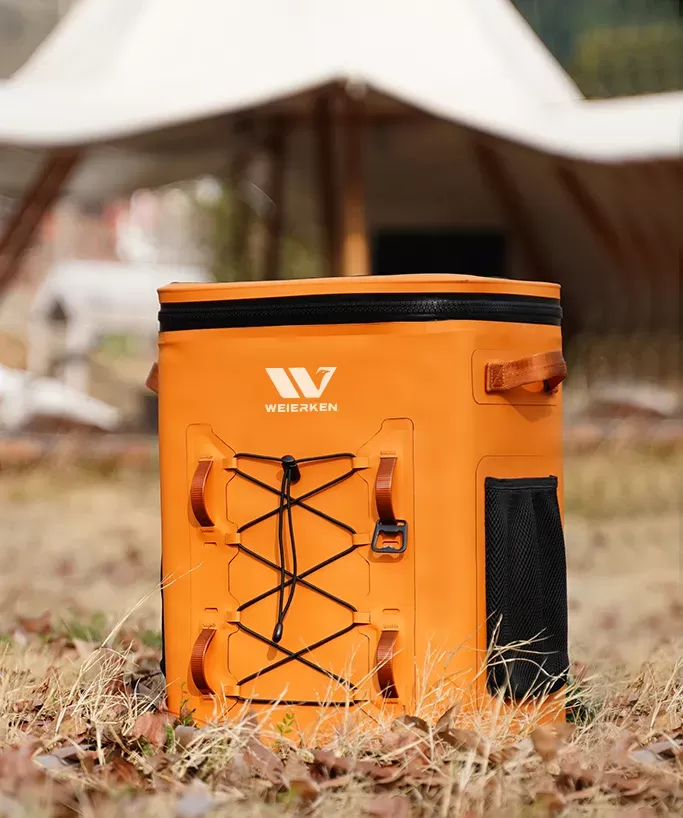

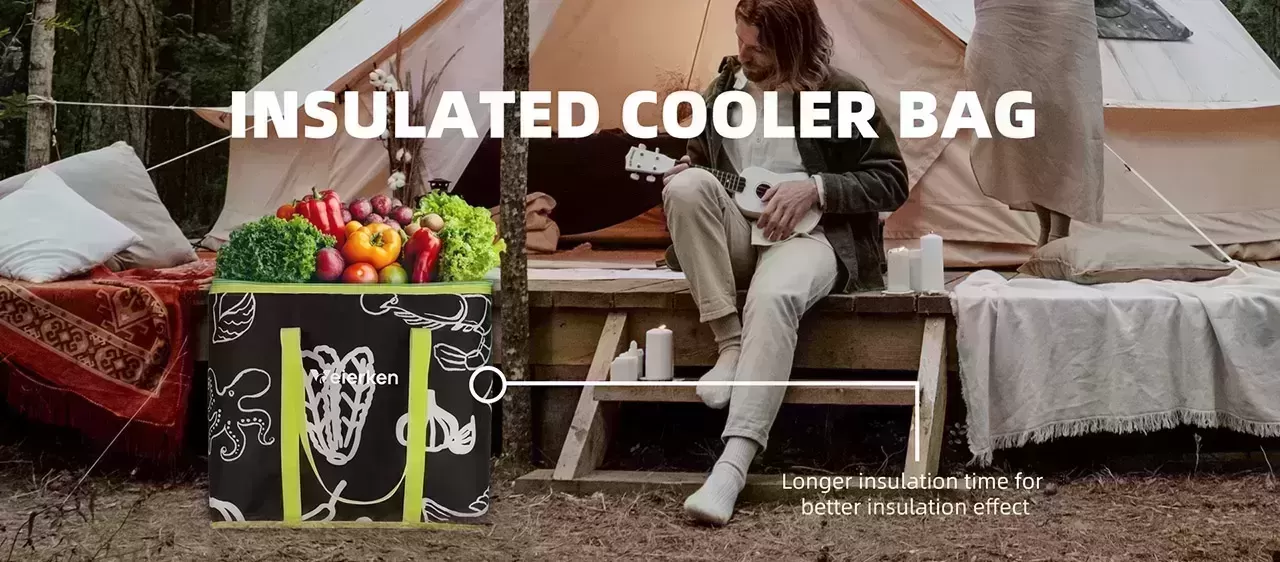
Global logistics and raw material prices continue to fluctuate. Procurement managers face constant pressure to manage budgets without sacrificing product lifetime. For businesses purchasing thermal bags in volume, sourcing represents a major cost center.
Many buyers unknowingly purchase from trading companies rather than working with a direct durable insulated tote maker. This intermediary layer adds markup and complicates communication. Establishing a direct partnership with a factory like weierken helps clarify specifications, control production schedules, and reduce unit costs.
This guide explains five essential metrics for evaluating direct manufacturers. These keys help ensure you receive commercial-grade thermal packaging that meets your specific budget and performance standards.
1. Evaluate Raw Material Standards for Durability
The service life of an insulated bag depends heavily on its material composition. A direct custom insulated bag manufacturer should offer transparent options for exterior fabrics, insulation cores, and inner linings. Balancing these components helps prevent over-engineering while ensuring the product withstands daily wear.
Exterior Fabrics: Choosing the Right Denier
The thickness and weave of the outer shell determine its resistance to tearing and abrasion. Manufacturers measure this using Denier (D). Standard options include:
600D Polyester: The standard choice for retail consumer bags and promotional giveaways. It offers reasonable durability at a competitive price point.
900D/1200D Polyester: A mid-grade option suitable for heavy consumer use or light commercial delivery applications.
1680D Oxford Fabric: Highly resistant to punctures and rough handling. This material is ideal for industrial food delivery and outdoor gear.
TPU Double-Coated Fabric: Excellent water resistance and easy to wipe clean. It performs reliably in wet environments.
Insulation and Linings: Temperature Control and Cleanability
The interior structure must retain temperature while remaining food-safe. Different materials serve different thermal requirements:
EPE Foam (Expanded Polyethylene): Typically ranges from 3mm to 8mm in thickness. Thicker foam improves thermal retention but increases bulk.
PEVA Lining: A non-chlorinated vinyl material that is easy to clean and highly flexible. It is a preferred standard for modern eco-conscious brands.
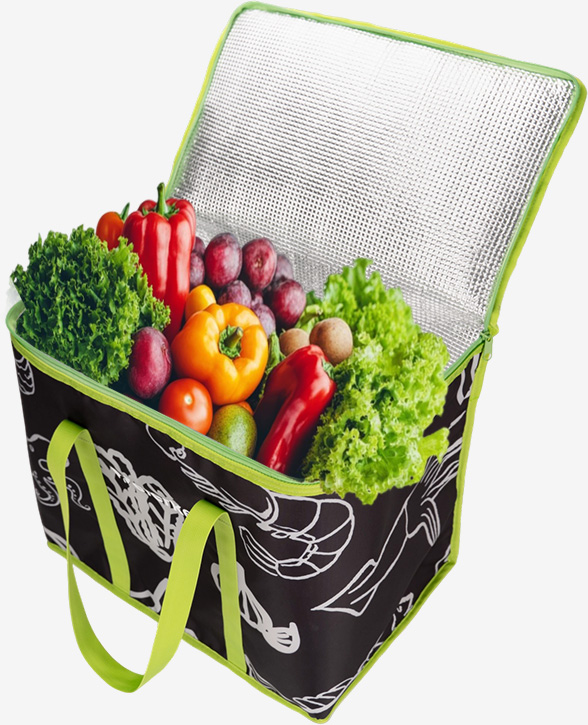
Aluminum Foil: A traditional, cost-effective reflective barrier. While budget-friendly, it can crease and tear more easily than PEVA under heavy commercial use.
Sourcing directly allows you to customize these layers. Selecting the appropriate heavy-duty cooler bag materials for your target application avoids paying for unnecessary performance tiers.
2. Manufacturing Process: Heat-Sealing vs. Stitching
The way a factory assembles components affects both leak prevention and load-bearing capacity. Understanding these manufacturing techniques helps buyers avoid early product failures that lead to expensive returns.
Traditional stitching is cost-effective but creates needle punctures. For applications involving ice or liquids, these tiny holes can allow melted water to seep into the insulation layer. Over time, trapped moisture causes mold growth and compromises the bag's thermal performance.
A specialized durable insulated tote maker utilizes high-frequency welding or heat-sealing for the interior lining. This process melts the edges of the PEVA or TPU lining together, creating a seamless, completely waterproof barrier.
Load-bearing points require physical stitching and reinforcement. The connection between the carrying handles and the main body of the bag represents a common point of failure. Direct manufacturers address this stress by applying specific reinforcements:
Cross-stitching (X-boxing): Distributes tension across a larger fabric surface area.
Reinforcement Rivets: Adds metal hardware to critical joint areas for heavy commercial loads.
Wrap-around Webbing: Runs the handle straps completely underneath the bottom of the bag to distribute physical weight uniformly.
Identifying these structural choices during sample evaluation helps you secure reliable wholesale thermal tote bags that perform consistently in the field.
3. Direct Customization to Eliminate "Communication Premium"
Using a trading company often introduces miscommunications. When design specifications pass through multiple intermediaries, details regarding color matching, print placement, and material grades can change. These errors result in costly re-sampling and production delays.
Working directly with an established factory like weierken streamlines the sampling phase. Direct communication with the production team ensures technical drawings and dielines align with your graphic design requirements from the beginning.
Direct manufacturers also provide guidance on printing techniques to suit your budget:
Silk Screen Printing: Cost-effective for simple, high-volume, single-color logos.
Heat Transfer Printing: Best suited for complex, multi-color branding designs and detailed artwork.
UV Printing: Provides high durability and scratch resistance for premium product lines.
Furthermore, an experienced factory can adjust structural elements to manage costs. For example, substituting a premium zipper with a standard water-resistant variant can help meet your target price without sacrificing the overall utility of the bag.
4. Verify Factory Compliance and Quality Certifications
A low piece price can quickly lose its value if a shipment faces customs delays due to missing compliance documentation. Verifying factory certifications before signing a contract helps protect your supply chain from regulatory disruptions.
When vetting a durable insulated tote maker, request proof of the following standards:
BSCI (Business Social Compliance Initiative): Confirms ethical manufacturing practices, which is a key requirement for major retail chains.
ISO 9001: Verifies that the factory operates under structured quality management systems.
FDA / LFGB Certification: Ensures that the interior lining materials are safe for direct contact with food and free from harmful chemical migration.
A certified factory maintains standardized manufacturing protocols. This structure helps minimize product defect rates and reduces the risk of customer complaints down the road.
5. Production Scale and Flexible MOQ Negotiation
Direct manufacturers manage raw materials in bulk, allowing them to offer competitive unit prices. They also maintain structured production schedules that help optimize capacity throughout the year.
Working directly with a factory provides opportunities to negotiate Minimum Order Quantities (MOQs) and pricing tiers:
Tiered Pricing: Allows you to lower unit costs as your order volume increases.
Material Locking: For long-term contracts, some manufacturers let you secure raw material prices in advance to protect against sudden market increases.
Off-Season Planning: Scheduling your production during the factory's slower months can sometimes yield better pricing and more flexible terms.
By establishing a direct relationship, you gain a clearer understanding of lead times and capacity constraints. This transparency makes it easier to align your inventory levels with actual market demand.
Sourcing commercial-grade insulated bags involves more than just finding the lowest initial quote. True cost efficiency comes from selecting the right materials, verifying manufacturing techniques, and working directly with a certified partner.
By focusing on structural durability, direct design alignment, and regulatory compliance, you can minimize replacement costs and protect your brand's reputation. As an experienced durable insulated tote maker, weierken works closely with clients to deliver functional, high-performing thermal packaging tailored to their specific market requirements.
To discuss your technical specifications, request custom samples, or obtain a direct manufacturing quote, contact our team today. We are ready to help optimize your sourcing budget.
Frequently Asked Questions
1. How do I verify if a supplier is a direct manufacturer or a trading company?
You can request to view their factory certifications, such as BSCI or ISO 9001, which are issued in the actual manufacturer's name. Additionally, asking for a video walk-through of the production lines or requesting specific technical adjustments to a sample dieline can help confirm their manufacturing capabilities.
2. What is the standard lead time for a custom insulated bag order?
Typical lead times range from 30 to 45 days after sample approval and deposit payment. This timeline depends on raw material availability and the complexity of your custom features. Sourcing during off-peak seasons can sometimes help reduce these lead times.
3. Which lining material is best for preventing leaks in wet environments?
A thick PEVA or TPU lining assembled using high-frequency heat-sealing is highly effective for leak prevention. Unlike traditional stitched linings, heat-sealed seams create a continuous, waterproof barrier that keeps melted ice and liquids contained.
4. Can I order a custom prototype before committing to a bulk production run?
Yes, direct manufacturers typically offer pre-production sampling services. This allows you to test the bag's size, thermal retention, and material durability in real-world conditions before finalizing your bulk purchase order.
5. How does a direct factory assist in managing international shipping logistics?
Experienced manufacturers maintain relationships with reliable freight forwarders. They can provide accurate packing dimensions, weight details, and export documentation to help streamline customs clearance and ensure your shipment arrives efficiently.