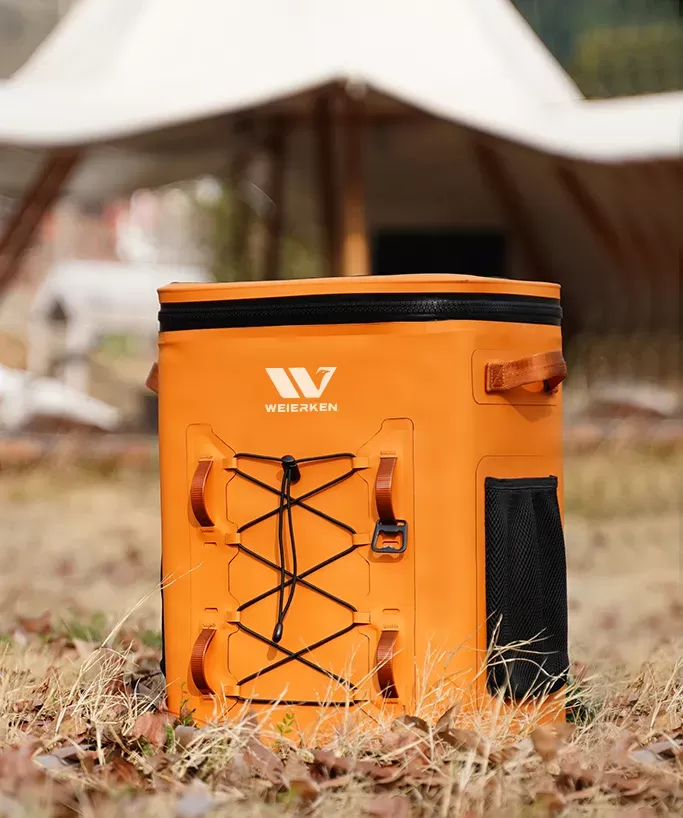

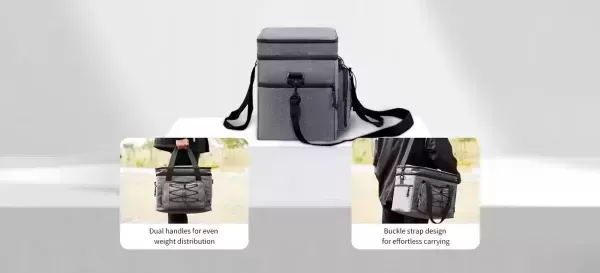
In B2B procurement, the reliability of your thermal delivery gear directly impacts your brand reputation. Whether you source food delivery backpacks, outdoor cooler bags, or fresh grocery grocery bags, a single defect can cause immediate issues. Leaking water, melting ice, or chemical odors lead to consumer returns and potential food safety violations.
Working with an experienced waterproof insulated bag maker like Weierken helps brand managers avoid these operational headaches. However, navigating the manufacturing sector requires a keen eye for technical details. From an industry insider's perspective, we have identified five critical quality risks you must monitor when auditing your next manufacturing partner.
Risk 1: Confusing Stitching with Heat-Sealing (Water Seepage Risks)
The Industry Reality
Many suppliers claim their thermal delivery bags are "100% waterproof" in their sales pitches. However, a close inspection of their production lines often reveals standard sewing machines running polyester threads. Traditional stitching needles pierce the fabric, leaving thousands of micro-holes. When ice melts inside the bag, hydrostatic pressure pushes water directly through these stitch lines, causing messy leaks during transit.
Actionable Mitigation Suggestions
Clearly distinguish between "water-resistant" and "fully waterproof" products in your initial specification sheets.
Ensure your waterproof insulated bag maker uses specialized sealing techniques. A truly leakproof interior liner must rely on high-frequency welding (HF/RF welding), ultrasonic sealing, or taped seams with hot-air sealing machines.
Request a live video or a recorded test of the inner liner undergoing a static water pressure test during the prototyping phase. The liner should hold water for at least 24 hours without dampening the outer shell.
Risk 2: Skimping on Insulation Materials (Temperature Loss & Bag Collapse)
The Industry Reality
The core of any thermal bag is its middle insulating layer, which typically consists of expanded polyethylene foam (EPE), polyurethane (PU) foam, or rubber-plastic sponge (NBR). To lower quotes and win contracts, some factories use low-density recycled foam. They might also thin the insulation layer, replacing a specified 8mm foam with a cheap 5mm or 3mm alternative. This practice reduces thermal retention and causes the bag to lose its structure, sag, and deform after a few deliveries.
Actionable Mitigation Suggestions
Specify the exact material type, foam density (measured in kg/m³), and exact thickness in your manufacturing contract.
Request the factory to perform a thermal conductivity test on raw materials before cutting.
Run a 24-hour cold-retention test using digital temperature data loggers inside sample bags. Compare different prototypes to verify performance under real-world ambient temperatures.
Partners like Weierken maintain strict incoming quality control (IQC) on foam density to ensure the bags remain upright and insulating even during heavy commercial use.
Risk 3: Non-Food Grade or Toxic Liners (Compliance & Recall Risks)
The Industry Reality
Insulated bags often carry warm food containers or fresh produce that might contact the interior liner directly. Low-end factories sometimes source cheap, recycled polyvinyl chloride (PVC) or polyethylene vinyl acetate (PEVA) materials to cut costs. These substandard plastics frequently contain elevated levels of plasticizers (phthalates), heavy metals, or toxic azo dyes. If your products face inspection in strict regulatory zones like North America or Europe, you risk cargo seizures, fines, and recalls.
Actionable Mitigation Suggestions
Require your waterproof insulated bag maker to provide valid, third-party testing reports from verified laboratories such as SGS, TÜV, or Intertek.
Verify compliance with relevant destination standards, including FDA (USA), LFGB (Germany), REACH, and RoHS (European Union).
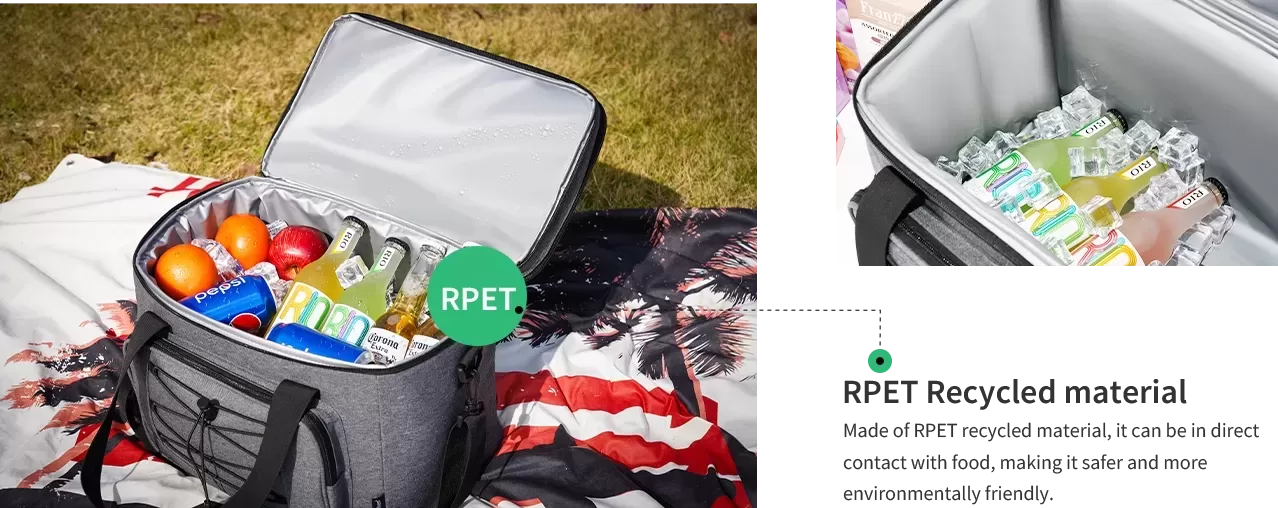
Insist on virgin, non-toxic materials for the interior lining. These include food-grade PEVA, thermoplastic polyurethane (TPU), or premium aluminum foil laminated with a protective, leakproof coating.
Risk 4: Poor Zipper and Accessory Waterproofing (Detail Failure)
The Industry Reality
The zipper is almost always the first point of failure on a cooler bag or thermal carrier. Even if the main fabric blocks water, moisture can seep through the zipper teeth under light pressure. Furthermore, low-grade metal sliders rust when exposed to moisture, and cheap pull tabs snap under the daily strain of busy delivery riders.
Actionable Mitigation Suggestions
For high-performance applications like marine cooler bags, specify water-resistant zippers with a TPU coating or airtight zippers (such as TIZIP styles).
Incorporate a zipper garage (a protective fabric hood at the end of the zipper track) to seal the final gap where the slider rests.
Ask for durability test data. A reputable manufacturer should run zip-unzip cycles under load to guarantee the slider operates smoothly for at least 5,000 repetitions without splitting.
Risk 5: Fabric Delamination and Coating Peeling (Aging Risks)
The Industry Reality
Heavy-duty outer fabrics, such as 500D Oxford polyester or heavy PVC tarpaulin, rely on TPU lamination or PVC coatings to achieve water resistance. If a factory uses outdated lamination equipment or cheap, water-soluble adhesives, the layers will eventually separate. After exposure to hot sunshine, freezing winter temperatures, or regular folding, the coating begins to bubble, peel, and crack, exposing the raw fibers underneath to water damage.
Actionable Mitigation Suggestions
Instruct your quality control team to perform a basic peel strength test on the raw materials during your factory audit.
Examine the stress points and fold lines of incoming samples for signs of whitening, which indicates premature coating fatigue.
Inquire about the UV stabilizer additives mixed into the coating formula, especially if your fleet of delivery bags will face constant sunlight during outdoor shifts.
Building a Reliable Supply Chain Control System
Sourcing your inventory from a professional waterproof insulated bag maker requires looking beyond the lowest unit price. True value lies in a factory’s manufacturing transparency and quality control standards. Checking seam sealing, foam density, plastic compliance, zipper strength, and coating durability before starting production saves thousands of dollars in logistics disputes and customer service issues.
At Weierken, we focus on providing durable, tested, and fully compliant thermal carrying solutions for businesses worldwide. We emphasize rigorous material selection and precise manufacturing processes. If you are preparing your next product launch or updating your delivery fleet, contact our sales engineering team today to share your specifications and request a detailed quote.
Frequently Asked Questions (FAQ)
1. What is the difference between water-resistant and waterproof in insulated bags?
Water-resistant bags use coated fabrics that repel light rain or minor splashes, but water can still penetrate through stitched seams and zipper teeth. Fully waterproof bags utilize advanced techniques like high-frequency welding or taped seams to create an impermeable barrier, allowing the bag to hold liquid water or ice without any leaks.
2. How can I test if a factory's thermal bag is food-safe?
You should request official compliance certificates such as FDA, LFGB, or REACH from your waterproof insulated bag maker. These documents must match the exact batch of TPU, PEVA, or aluminum foil used inside the bag liner. You can also send random production samples to third-party labs for validation.
3. Which insulation foam material offers the best performance?
Polyurethane (PU) foam provides exceptional thermal retention but is relatively rigid. Expanded polyethylene (EPE) foam is flexible, lightweight, and cost-effective, making it the industry standard. For high-end delivery bags, using high-density EPE foam (at least 5mm to 10mm thick) offers a great balance of temperature control and structural support.
4. Why do some waterproof bags develop bad odors after a few weeks of use?
Odors generally stem from trapped moisture in cheap, porous liners or the use of low-grade PVC containing volatile organic compounds (VOCs). Selecting food-grade PEVA or TPU liners, alongside proper drying procedures after cleaning, prevents mildew growth and eliminates chemical smells.
5. What is the typical lead time for custom waterproof bag samples?
A standard prototyping cycle takes about 7 to 10 business days. This timeframe allows the technical team to draft patterns, source the specified fabrics, adjust the RF welding machinery, and conduct initial leak-proof testing before shipping the prototype to your office.