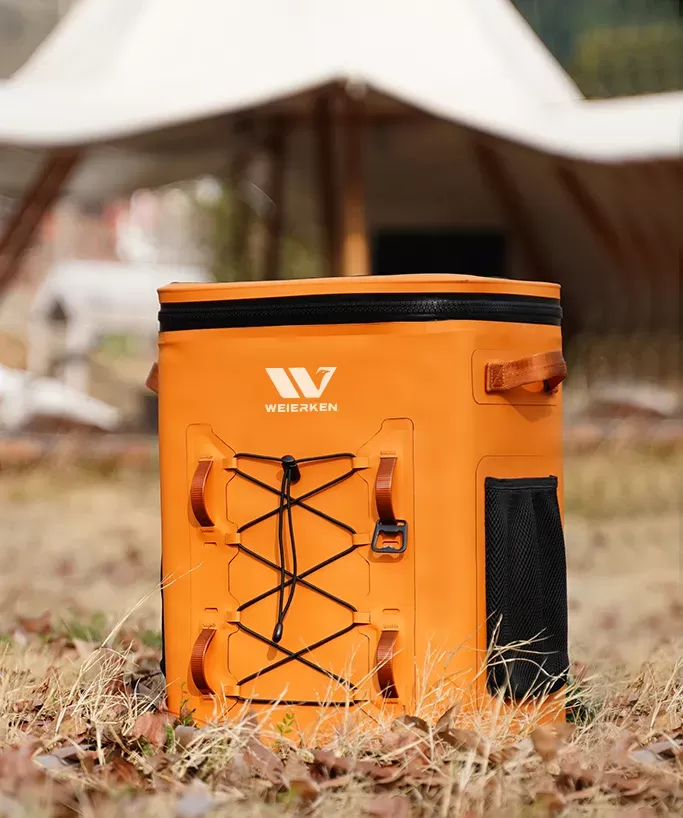

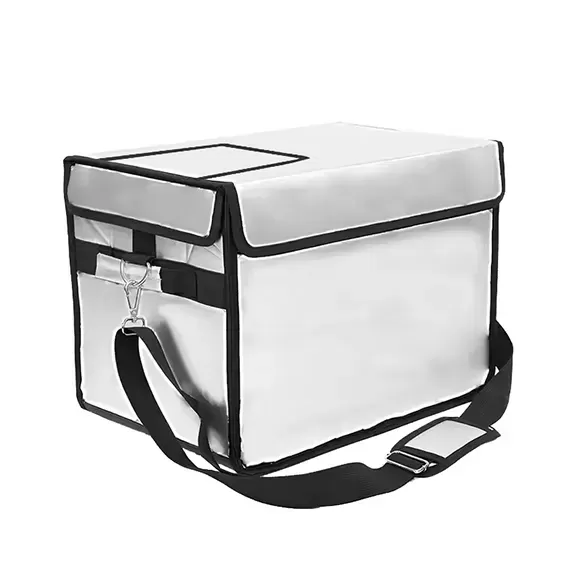
Ice cream requires incredibly strict temperature control. Even minor temperature fluctuations during transit can ruin the texture, cause crystallization, and damage your brand reputation. For retailers, distributors, and delivery platforms, choosing the right cold chain packaging is a vital business decision.
Sourcing these items through intermediaries often adds unnecessary markups and slows down production communication. Partnering directly with an experienced ice cream thermal bag maker like Weierken helps you maintain competitive margins while keeping your products perfectly chilled.
This B2B guide details the practical steps to establish a reliable, high-performing OEM relationship with a direct manufacturing factory.
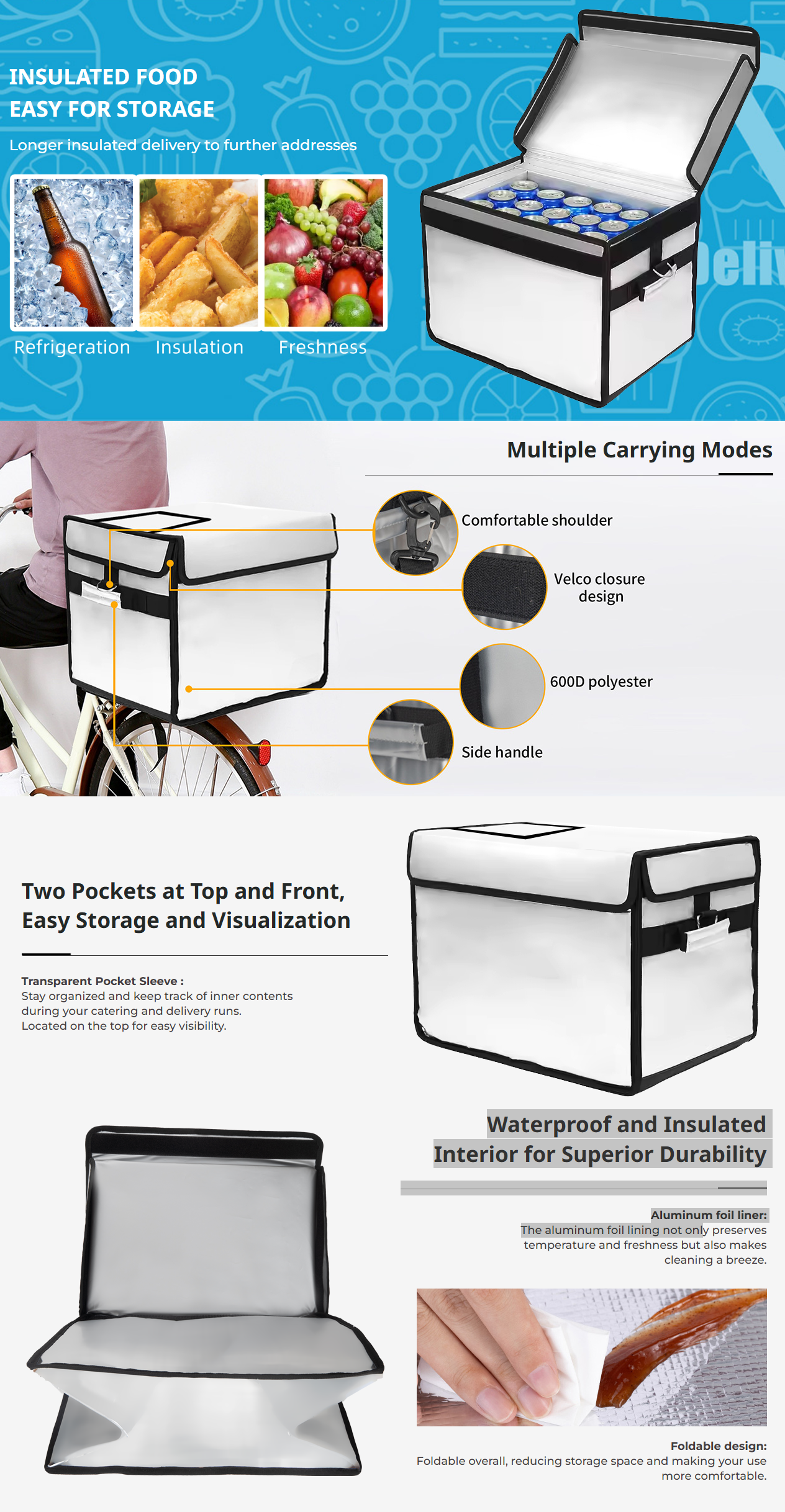
Why Partnering with a Direct Maker is Critical
Working with a direct factory offers clear advantages over sourcing from a general trading company. Direct manufacturers give you complete control over raw materials, production schedules, and custom designs.
With a direct custom insulated bag factory, you eliminate the middleman markup. This direct link simplifies quality control, enables rapid physical prototyping, and allows you to trace materials directly back to their source.
By establishing this direct connection, you can react faster to market changes, upgrade your packaging designs on the fly, and secure consistent unit pricing for seasonal promotions.
Step 1: Define Your Specifications and Performance Requirements
Before reaching out to a potential ice cream thermal bag maker, you need to clearly outline your technical needs. Having these details ready prevents long delays and ensures accurate initial quotes.
Think about how your clients or end consumers will use these bags. Will they be used for short-distance home deliveries, or must they keep pints frozen during a multi-hour drive back from the supermarket?
Make sure to specify these three key areas:
Dimensions and Capacity: Measure your ice cream pints, cups, or family tubs. Your bags must fit these products tightly to minimize empty air space, which speeds up thawing.
Thermal Retention Requirements: Specify if you need 1 hour of protection for local on-demand delivery, or up to 3 to 5 hours for retail takeaway and outdoor events.
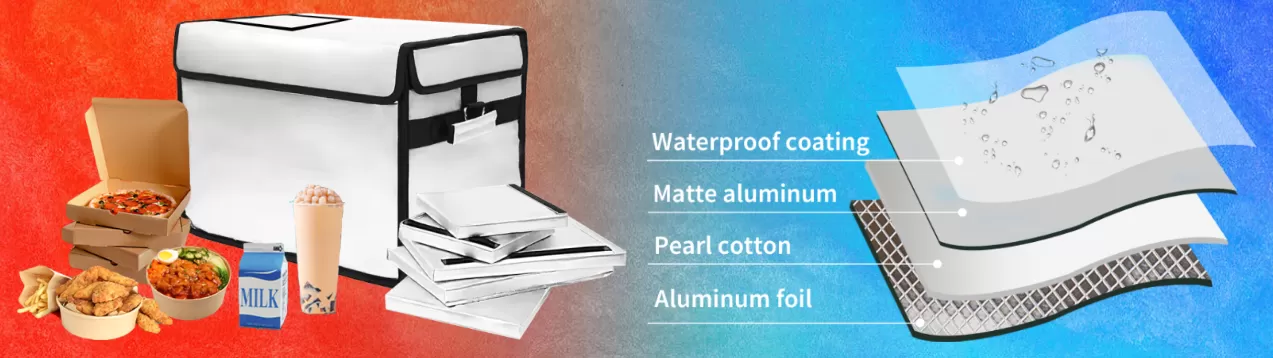
Material Structure: Select an outer fabric (such as non-woven fabric, heavy-duty oxford cloth, or eco-friendly RPET) and specify the thickness of the EPE foam insulation (usually 2mm to 5mm). Finally, choose a high-performance aluminum foil lining equipped with reliable leak-proof technology.
Step 2: Identify and Screen Genuine Direct Manufacturers
The online sourcing market is filled with trading companies posing as direct factories. If you accidentally partner with an intermediary, you may face higher costs, slower response times, and inconsistent product quality.
Finding a genuine B2B OEM thermal bag manufacturer requires a careful vetting process. True manufacturers have dedicated facilities, specialized machinery, and clear quality control processes.
Use these sourcing strategies to verify potential partners:
Check business registration records to confirm their official scope includes "manufacturing," "production," or "processing" rather than just "trading" or "sales."
Request a live video tour of the production floor to inspect their cutting machines, sewing lines, and heat-sealing equipment.
Look for consistent employee counts and physical factory dimensions on commercial B2B platforms.
Ask if they allow on-site factory audits by third-party inspection firms before you sign any production contracts.
Step 3: Verify Industry Compliance and Food Safety Certifications
Because thermal bags carry items meant for human consumption, material safety is non-negotiable. Importing non-compliant packaging can lead to costly customs delays or unexpected product recalls.
A reputable B2B ice cream thermal bag maker must show documented proof that their materials meet safety standards. Always ask for current test reports and factory audits.
Ensure your chosen supplier holds these vital credentials:
Social Compliance Audits: Verify the factory is audited under recognized frameworks like BSCI, Sedex, or ISO 9001.
Food-Safe Material Testing: Confirm the interior linings, plastics, and foils meet FDA food-contact standards or European LFGB regulations.
Chemical Safety: Ensure the raw fabrics, dyes, and zipper components comply with REACH, RoHS, or California Proposition 65 standards to guarantee they are free from heavy metals and toxic chemicals.
Step 4: Assess OEM & Customization Capabilities
A professional factory should do more than just execute your instructions. They should act as a manufacturing partner, suggesting structural modifications that lower production costs or improve bag durability.
During early design talks, a experienced maker like Weierken can help refine your ideas. They will suggest the best layout to keep ice cream frozen while managing your unit costs.
Review these customization options with your manufacturer:
Printing Technologies: Ask if they support rotogravure printing for bright, full-color designs, or silk screen printing for simple, cost-effective brand logos.
Structural Additions: Consider reinforced cross-stitching on handles, heavy-duty water-resistant zippers, internal dividers, or dedicated pockets for gel ice packs.
Prototyping Process: Confirm their sample turnaround times. A professional manufacturer should produce a physical sample within 5 to 7 business days.
Step 5: Negotiate MOQ and Tiered Pricing
Minimum Order Quantities (MOQs) are determined by the raw material manufacturing processes. For example, standard stock fabrics have lower MOQs, while custom-dyed fabrics or printed laminates require larger production runs.
Understanding these supply constraints helps you negotiate balanced pricing for bulk thermal bags for ice cream without hurting your cash flow.
Keep these points in mind during pricing negotiations:
Request tiered pricing tables to understand how your unit costs drop at larger order volumes (e.g., 1,000 units, 5,000 units, or 10,000 units).
Understand the MOQ requirements. Laminated non-woven options usually require a minimum run of 3,000 to 5,000 bags due to printing plate setup limits.
Discuss flat-pack options. Shipping insulated bags flat reduces bulk cargo volume, which helps lower your ocean freight costs.
By discussing these details early with your ice cream thermal bag maker, you can avoid unexpected fees later on.
Step 6: Conduct Rigorous Sample Testing
Never approve a mass production run based on digital mockups alone. You must put physical pre-production samples through real-world performance tests to ensure they protect your ice cream.
Once your custom insulated bag factory delivers the initial prototype, run these practical tests in your own facility:
Thermal Performance Test: Place your frozen ice cream inside the bag along with your standard ice packs. Keep the bag in a warm room and check the internal temperature every 30 minutes to see when melting begins.
Load-Bearing Test: Pack the bag to its maximum weight capacity. Hang it up for 24 hours to check for seam failure, handle stretching, or fabric tearing.
Durability and Closure Test: Pull the zippers, velcro, and straps repeatedly to ensure they operate smoothly without catching on the inner foil lining.
Step 7: Establish QC and Inspection Standards
To avoid receiving defective products, you must set clear quality expectations before mass production begins. Both you and your supplier need to agree on what defines a defect.
A professional B2B partner will appreciate clear guidelines, as they prevent misunderstandings and shipping delays.
Define these quality control terms in your purchasing agreement:
Golden Sample Approval: Sign and seal two identical, approved physical samples. Keep one in your office and return the other to the factory to serve as the production standard.
In-Line Needle Detection: Confirm the factory uses metal detectors on the packaging line to ensure no broken sewing needles remain inside the insulation layers.
Acceptable Defect Tolerances: Establish clear limits for loose threads, printing misalignments, or minor color variations using standard AQL (Acceptable Quality Limit) metrics.
Pre-Shipment Inspection: Reserve the right to have independent inspectors (such as SGS or TUV) verify the cargo before final payment and shipment.
Step 8: Plan Logistics and Lead Time
Ice cream sales are highly seasonal. If your shipping containers arrive late, you miss your peak sales window, resulting in unsold inventory and lost revenue.
To protect your supply chain, work closely with your ice cream cold chain packaging provider to coordinate production schedules and shipping dates.
Keep these logistics tips in mind:
Calculate your timelines carefully. Expect 30 to 45 days for manufacturing, plus another 30 to 40 days for ocean transport and customs clearance.
Place your orders at least 4 to 5 months before your peak sales season to avoid spring factory rushes and summer shipping bottlenecks.
Optimize your container loads. Ask your factory's shipping department to calculate the exact box sizes so you can maximize your container space (FCL).
Partnering with a reliable ice cream thermal bag maker requires careful planning, clear technical specifications, and open communication. By following these eight steps, you can secure high-performing thermal packaging, protect your ice cream, and build a dependable supply chain.
At Weierken, we have spent years manufacturing durable, high-performance insulated bags for clients worldwide. We focus on reliable construction, material safety, and transparent OEM production.
If you are ready to start your next custom packaging project, please contact us today to request a quote or discuss your custom design requirements.
Frequently Asked Questions
Q1: What is the typical MOQ when working with an OEM thermal bag manufacturer?
Generally, the minimum order quantity ranges between 1,000 and 5,000 units per design. This limit is set by raw material manufacturing constraints. Standard fabric colors often have lower MOQs, while custom-dyed colors or custom-printed laminates require larger production runs.
Q2: How long can a custom insulated bag keep ice cream from melting?
A standard bag with 2mm to 3mm EPE foam insulation will keep items cold for 1 to 2 hours. If you upgrade to 5mm foam, use a high-quality aluminum foil lining, and add gel ice packs, you can extend that thermal protection window to 3 to 5 hours.
Q3: Are the materials used by Weierken safe for food applications?
Yes. As an experienced ice cream thermal bag maker, Weierken uses materials that comply with FDA and LFGB food-safety guidelines. We can provide up-to-date compliance reports for our lining materials, outer fabrics, and insulation foam.
Q4: Can we customize the bag dimensions to match our specific ice cream cups?
Yes. Our custom insulated bag factory designs and manufactures bags to your exact dimensions. We can create circular, square, or rectangular bag bottoms to hold your specific cups, pints, or family-sized tubs securely.
Q5: What is the standard sample lead time for a custom B2B project?
Creating a custom physical sample with your logo and unique dimensions usually takes 5 to 7 business days. Once you approve this sample, mass production typically takes 30 to 45 days, depending on the complexity of your design and our current factory schedule.