
Maintaining a stable temperature during transport determines whether perishables arrive fresh or ruinous. Food, pharmaceuticals, and chemical products degrade quickly when exposed to temperature fluctuations. Standard cardboard boxes and basic ice packs often fail during long transit times or extreme weather conditions.
Working directly with a specialized cold shipping bag factory helps businesses secure their supply chains. A professional manufacturer does not just sew fabric together. Instead, they apply precise thermodynamics, material science, and testing to produce insulated shipping liners that prevent temperature spikes. Brands like Weierken focus on manufacturing highly reliable thermal barriers that protect goods from the point of departure to the final mile.
In this article, we analyze the engineering behind thermal protective packaging. We examine how advanced factories design these solutions to cut spoilage rates and optimize logistics costs.
1. Multilayer Thermal Barrier Engineering
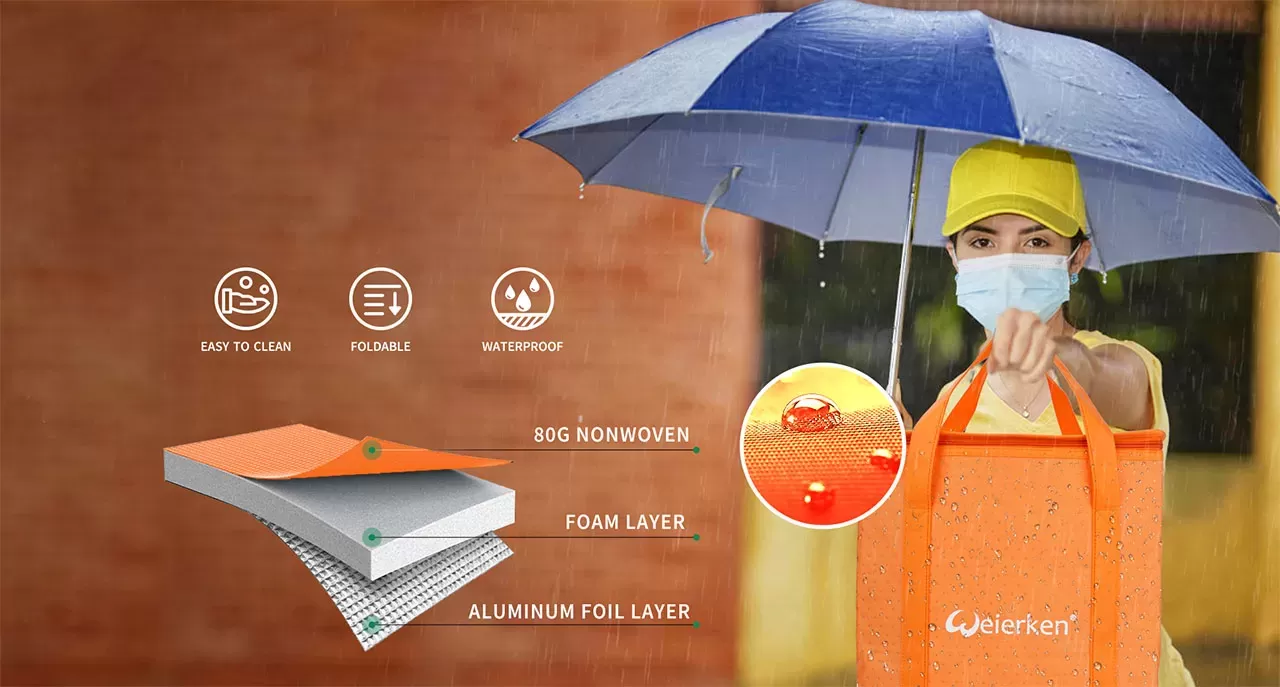
The primary cause of spoilage in cold chain logistics is heat transfer. Outside heat penetrates the shipping container and warms the cargo inside. A professional cold shipping bag factory counters this by engineering multi-layered materials. These layers target the three ways heat moves: radiation, conduction, and convection.
Reflecting Radiant Heat
Radiant heat from sunlight or warm concrete surfaces can rapidly heat a delivery vehicle's cargo hold. To block this, manufacturers use a highly reflective outer shell.
Reflective Aluminum Foil: High-quality thermal bags use aluminum foil or metallized polyester film (MPET) as the outer barrier.
Heat Reflection: This layer reflects up to 95% or more of radiant heat away from the bag.
UV Resistance: The reflective layer also shields the interior layers from solar degradation during outdoor handling.
Minimizing Conductive Heat Transfer
Conductive heat moves through direct contact between materials. The core insulation layer must slow down this energy transfer to maintain a cold interior.
A capable cold shipping bag factory controls the density and thickness of the insulating foam. Common choices include Expanded Polyethylene (EPE) foam, Polyurethane (PU) foam, and high-performance Vacuum Insulation Panels (VIP). The manufacturer must laminate these materials uniformly. This prevents thin spots, also known as "cold bridges," where heat can easily enter.
Preventing Leaks with Food-Safe Inner Liners
When ice packs or dry ice melt, moisture accumulates inside the bag. If this liquid leaks, it can damage the outer packaging, cause cardboard boxes to collapse, and promote mold growth.
To prevent this, experienced factories use thick, food-grade inner linings made of PEVA or TPU. They bond these materials using high-frequency welding instead of traditional stitching. This creates a fully leak-proof reservoir that keeps the insulating foam dry, maintaining its thermal resistance throughout the journey.
2. Eliminating Thermal Bridging with Seamless Sealing
Even the thickest insulation will fail if warm air leaks through the closures. In thermal design, these weak points are called thermal bridges. Cold air escapes, and warm air enters, which rapidly increases the internal temperature of the shipping bag.
A professional manufacturer like Weierken pays close attention to these structural details to eliminate thermal gaps.
The diagram below shows how heat penetrates standard sewn bags compared to a seamless design manufactured by a professional cold shipping bag factory:
[Standard Sewn Bag]
Warm Air ---> [Stitched Needle Hole] ---> Heat Leaks In ---> Spoilage Risk
[Seamless Welded Bag]
Warm Air ---> [Welded Seam + Insulated Flap] ---> Heat Reflected ---> Temperature Maintained
Airtight Zippers and Overlapping Hook-and-Loop Closures
Standard zippers allow air to flow freely. High-performance thermal bags require specialized closures to maintain a sealed internal microclimate.
Airtight Zippers: Water-resistant and rubber-sealed zippers block convective air movement.
Insulated Zipper Flaps: Thick insulated flaps cover the zipper track on the inside. This blocks any minor heat transfer through the zipper teeth.
Dual-Hook and Loop Systems: Heavy-duty, overlapping velcro seals provide a reliable option for rapid, high-frequency deliveries.
Seamless High-Frequency Welding
Traditional sewing needles puncture thousands of tiny holes in the fabric. Each needle hole acts as a miniature pathway for warm air to enter.
Advanced factories replace sewing with high-frequency welding. This process uses electromagnetic energy to melt and fuse the layers of material together. The resulting seam is completely smooth, airtight, and stronger than the surrounding fabric. This prevents cold air from escaping and keeps moisture locked inside.
3. Science-Backed Validation and Thermal Testing
A dependable B2B manufacturer does not guess how long a bag will keep products cold. They use empirical data from rigorous testing to confirm the thermal insulation performance of their products.
When sourcing from a cold shipping bag factory, ask about their laboratory testing processes. Reliable manufacturers use specialized equipment to verify performance under real-world conditions.
Environmental Chamber Testing
To simulate actual shipping routes, factories use climate-controlled chambers. These chambers expose the bags to extreme temperatures, such as 35°C (95°F) for summer shipments or below-freezing conditions for winter transport.
Sensors inside the bag record the temperature over 24, 48, or 72 hours. This creates a detailed thermal profile. Customers can then see exactly how long the bag can maintain specific temperature ranges, such as 2°C to 8°C or deep-frozen states.
Optimizing Refrigerant Ratios
Using too many ice packs reduces the usable space for cargo and increases shipping weight. Using too few leads to spoiled goods. A knowledgeable factory helps clients optimize this ratio.
Using thermal data, the engineering team at Weierken calculates the precise amount of gel packs or phase change materials (PCMs) needed for your specific payload. This process ensures the contents remain safe without over-packaging, which saves money on materials and shipping.
4. Balancing Thermal Performance and Logistics Costs
Thick, heavy packaging protects goods well but increases shipping costs. High shipping rates can hurt your bottom line. An experienced B2B partner helps you find the right balance between thermal protection and shipping efficiency.
By optimizing the physical design of the bags, a cold shipping bag factory helps reduce dimensional weight charges.
Lightweight and Foldable Designs
Rigid plastic coolers take up the same amount of space empty as they do full. This makes them expensive to store in warehouses and costly to return for reuse.
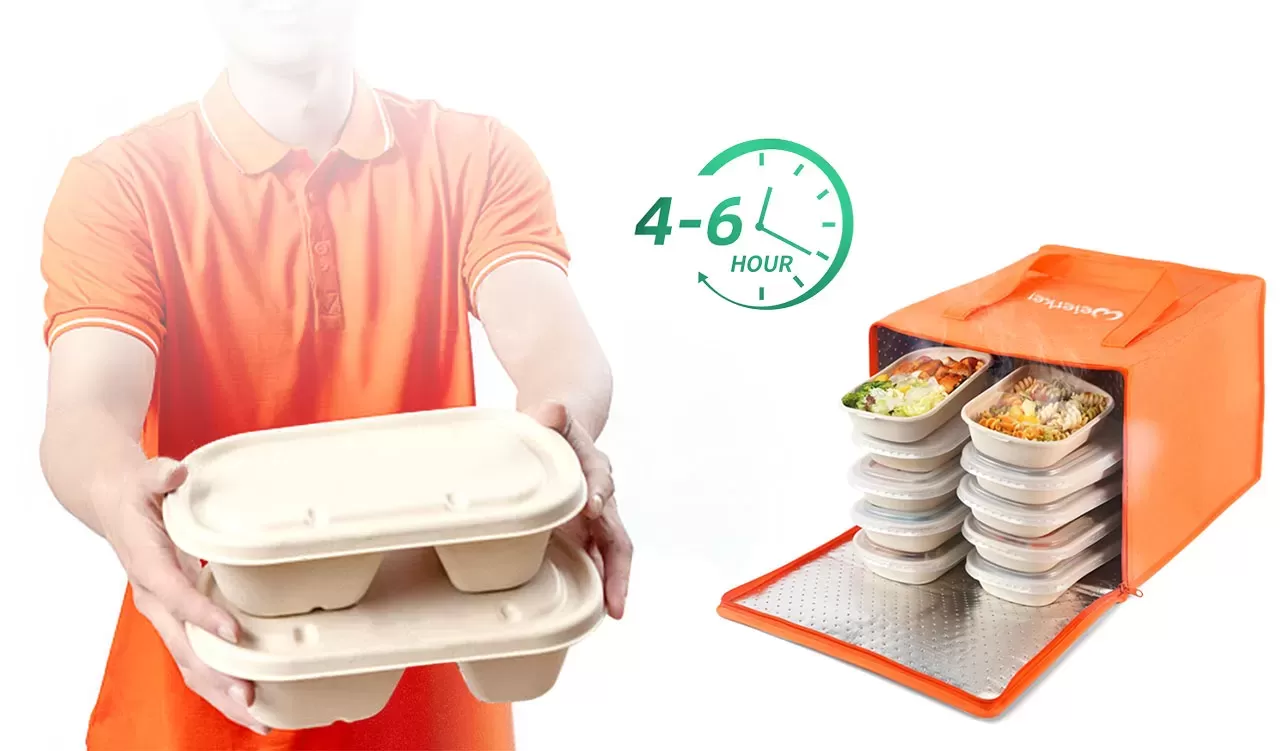
Modern soft-sided thermal bags fold flat when empty. This flat-pack design allows warehouses to store hundreds of bags on a single pallet. It also simplifies reverse logistics, making it much more affordable to return empty bags to the distribution center for cleaning and reuse.
Modular Compartments for Multi-Temperature Shipping
Distributors often need to ship different types of goods, such as frozen items and chilled items, in the same delivery. Shipping them in separate containers doubles transport costs.
A professional factory can design internal, insulated dividers. These modular walls allow you to create distinct temperature zones inside a single bag. You can place frozen products with dry ice on one side of the divider, and fresh produce with standard gel packs on the other side. This approach reduces overall shipping volume and saves on freight costs.
Choosing the Right Manufacturing Partner
Reducing spoilage rates requires high-quality materials and precise manufacturing standards. Partnering with an experienced B2B manufacturer like Weierken ensures your cold chain packaging is built to last.
A dedicated cold shipping bag factory provides custom design services, precise material selection, and rigorous thermal testing. This scientific approach keeps your perishables safe, lowers your shipping costs, and protects your brand's reputation.
Are you looking to improve your cold chain logistics? Contact Weierken today to discuss your project requirements, request a prototype, or get a detailed quote for your business.
Frequently Asked Questions
How long can a high-quality cold shipping bag maintain its internal temperature?
The temperature retention time depends on the insulation thickness, ambient outdoor temperatures, and the volume of gel packs used. Most professional cold shipping bags maintain a target temperature range (such as 2°C to 8°C) for 24 to 72 hours. A qualified factory can adjust the insulation layers to meet your specific transit times.
What is the benefit of high-frequency welding over standard sewing?
Standard sewing punctures the fabric, creating small holes that allow cold air to leak out and warm air to enter. High-frequency welding uses electromagnetic energy to fuse the materials together without stitches. This creates a completely seamless, airtight, and leak-proof barrier that significantly improves thermal retention.
Are the inner materials of these cold shipping bags food-grade and safe?
Yes. Reliable manufacturers use FDA-compliant, food-safe linings made of PEVA or TPU. These materials are non-toxic, easy to clean, and free of heavy metals or phthalates. This makes them safe for direct contact with food, beverages, and pharmaceuticals.
Can the factory customize the bag size to fit our specific shipping pallets?
Yes. A professional cold shipping bag factory can customize the dimensions of your bags to match standard pallet sizes or specific courier boxes. This helps maximize space utilization in delivery vehicles and prevents shifting during transport.
What is the minimum order quantity (MOQ) for custom cold shipping bags?
Minimum order quantities vary depending on the customization level, material specifications, and bag size. For custom dimensions, colors, or specialized insulation materials, MOQs typically range from 500 to 1,000 units per order. Contact our sales team for detailed information on your specific design.
| Feature | Traditional Hard Coolers | Optimized Soft Cold Bags | Logistics Impact |
|---|---|---|---|
| Storage Footprint | Rigid, high volume | Foldable, flat-packed | Reduces warehousing costs by up to 70% |
| Tare Weight | Heavy | Lightweight | Lowers express air freight costs |
| Interior Space | Fixed compartments | Adjustable, modular dividers | Enables multi-temperature shipments in one bag |