


Procuring industrial-grade cooling equipment requires a meticulous eye for detail. For B2B buyers in the seafood, pharmaceutical, and high-end catering sectors, a failure in containment is not just an inconvenience; it is a significant financial risk. Finding a reputable leakproof cooler factory is the first step toward securing your logistics chain. At weierken, we emphasize that a cooler’s value lies in its ability to remain hermetically sealed under the most demanding transport conditions.
Many suppliers claim their products are airtight, but few can back those claims with rigorous technical data. When you source from a leakproof cooler factory, you are buying a system of temperature control and liquid containment. This guide provides actionable strategies to audit potential partners and ensure your bulk orders meet the highest performance standards.
1. Define "Leakproof" Through Testing Standards
The term "leakproof" is often used loosely by sales representatives. You must demand a clear definition. Does the factory mean it is resistant to splashes, or can the cooler hold standing water while inverted for 24 hours? A professional leakproof cooler factory should provide specific hydrostatic pressure test reports or IP-rated waterproof certifications.
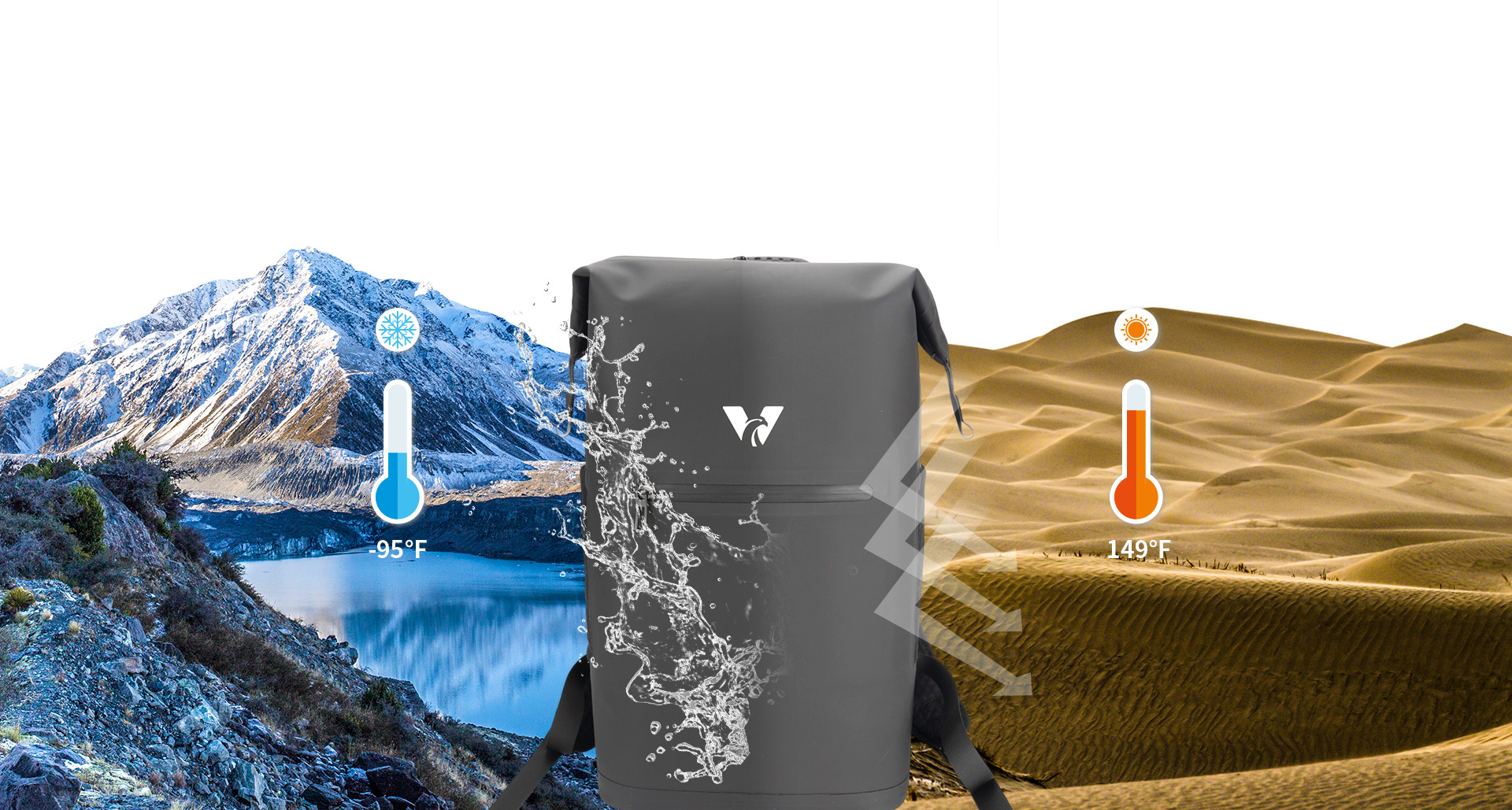
For B2B cold chain applications, the seal must remain effective across a wide temperature range, typically from -20°C to 40°C. Ask the factory how their sealing gaskets behave in freezing conditions. If the rubber becomes brittle and loses elasticity in the cold, the cooler will leak condensation or melted ice, potentially damaging other cargo in your delivery vehicle.
Request negative pressure test data to verify airtightness.
Check if the seal remains flexible after 100 hours of exposure to sub-zero temperatures.
Confirm if the "leakproof" claim applies to low-viscosity liquids like water or higher-viscosity substances like oils.
2. Audit the Insulation and Liner Compatibility
A common failure point in cooling containers is the interaction between the insulation material and the inner liner. If the polyurethane (PU) foam or EPS insulation absorbs moisture, the thermal performance drops significantly. This creates a breeding ground for bacteria and mold, which is unacceptable for food-grade delivery.
When visiting a leakproof cooler factory, inspect the internal structure. You should prioritize designs that feature a one-piece molded liner. Seamless interiors eliminate the risk of liquid seeping into the insulation through cracks or joints. Ensure the factory applies a waterproof coating to the insulation layer as a secondary defense against moisture ingress.
Quality manufacturers, such as weierken, use advanced rotational molding or high-precision injection techniques. These methods ensure that the walls of the cooler are uniform in thickness. This uniformity prevents weak spots where pressure could cause the liner to crack and leak into the thermal insulation layer.
3. Conduct On-Site Stress and Simulation Tests
Samples in a showroom always look perfect. To verify the true capability of a leakproof cooler factory, you must see the products in action. Request a transportation vibration test. Fill a cooler with colored liquid and place it on a vibration table for 30 minutes. This simulates the rigors of long-haul trucking and reveals if the sealing latch system can handle constant movement.
Drop testing is another non-negotiable step. A loaded cooler should be dropped from a height of at least 1 meter onto a hard surface. After the impact, check if the hinges, latches, or the silicone gasket have shifted or deformed. Any deformation usually leads to a breach in the seal, rendering the cooler useless for professional logistics.
Perform thermal shock tests by rapidly moving the cooler between extreme heat and cold.
Inspect the compression set of the gasket after it has been locked for 48 hours.
Fill the cooler with water and check for "weeping" at the drainage plug area.
4. Verify Material Compliance and Chemical Resistance
B2B delivery often involves more than just ice and water. You might be transporting oily sauces, acidic beverages, or containers cleaned with harsh detergents. A reliable leakproof cooler factory must provide certifications such as FDA, LFGB, or GB 4806 to prove their materials are food-contact safe.
Furthermore, ask about chemical resistance. If the plastic liner reacts with fats or acids, it may soften or crack over time. A professional audit should include a test where the liner material is submerged in 60°C cooking oil or a low-pH citric acid solution for 24 hours. If the material shows signs of discoloration or softening, it will not survive the daily cleaning and usage cycles of a commercial kitchen.
Materials like High-Density Polyethylene (HDPE) or Linear Low-Density Polyethylene (LLDPE) are generally preferred. These plastics offer excellent durability and resistance to a wide range of chemicals, making them ideal for a heavy-duty leakproof cooler.
5. Evaluate Mold Precision and Process Control
Leakproof performance is fundamentally a matter of engineering precision. The fit between the lid and the body must be perfect. Ask the leakproof cooler factory about their mold maintenance schedule. Do they use specialized steel molds for each product line? High-quality molds ensure the flatness of the sealing surface, which is critical for an airtight closure.
During the production process, observe how the workers install the sealing strips. Is there a recorded torque for the latches? Do they use automated sensors to check the clamping force of the lid? A factory that monitors these variables is far more likely to produce consistent results across a 10,000-unit order. At weierken, we emphasize that consistent process control is what separates an industrial supplier from a consumer-grade manufacturer.
The Importance of Sealing Geometry
Look for a "tongue and groove" design where the lid meets the body. This geometry creates a labyrinth seal that makes it much harder for liquid to escape even if the cooler is tipped over. A leakproof cooler factory that invests in complex seal geometry shows a commitment to engineering rather than just aesthetics.
6. Focus on Hygiene and Reusable Design
In the B2B world, coolers must be cleaned frequently to maintain hygiene standards. If the interior of the cooler has sharp corners, deep crevices, or non-removable gaskets, it will harbor bacteria. This creates a hygiene risk for the next batch of goods. When sourcing from a leakproof cooler factory, look for "Easy-Clean" features.
Prioritize coolers with rounded internal corners (coved corners) and detachable food-grade gaskets. These allow for thorough sanitization. Additionally, check the design of the drainage system. The drain plug should be recessed to prevent accidental opening, but it must also allow for complete drainage of cleaning fluids without leaving residues in the corners.
Confirm if the material is stain-resistant and odor-resistant.
Test the durability of the gasket after 200 cycles of high-pressure washing.
Check for antimicrobial additives in the liner material for extra protection.
7. Demand Traceability and Quality Agreements
A single leak in a cold chain shipment can lead to the loss of an entire cargo load. Therefore, your contract with a leakproof cooler factory must include strict quality assurance protocols. Each cooler should be marked with a batch number or QR code that traces back to the production date, raw material batch, and the inspector in charge.
Establish a clear leakage rate commitment in your purchase agreement. For industrial applications, a defect rate of ≤0.1% for sealing performance is a common benchmark. Ensure the contract specifies the compensation for cargo loss caused by manufacturing defects. A factory that is confident in its leakproof technology will have no problem signing such an agreement.
Finally, ask if the leakproof cooler factory provides on-site support for the first shipment. This could include seal re-checks or training for your logistics staff on how to properly maintain the airtight gaskets. Collaborative quality management is the best way to ensure the long-term success of your procurement strategy.
Summary: Choosing the Right Partner
Sourcing from a leakproof cooler factory is a strategic move that requires deep technical verification. By moving beyond surface-level promises and focusing on mold precision, material compliance, and rigorous stress testing, you can secure a reliable supply of cooling containers. Remember, the "last mile" of your cold chain is only as strong as the seal on your cooler.
At weierken, we take pride in our industrial-grade manufacturing processes. We combine advanced thermal engineering with robust containment designs to serve the most demanding B2B clients globally. Our goal is to ensure your products arrive in perfect condition, every single time.
Frequently Asked Questions (FAQ)
1. What is the most durable sealing material for coolers?
Most high-end leakproof cooler factory partners use silicone or EPDM (Ethylene Propylene Diene Monomer). Silicone offers excellent food-safety properties and remains flexible at very low temperatures. EPDM is known for its incredible resistance to weather and chemicals, making it ideal for outdoor industrial use.
2. How often should sealing gaskets be replaced?
In a commercial delivery environment, gaskets should be inspected monthly. Depending on the frequency of cleaning and exposure to extreme temperatures, a high-quality sealing strip should last between 12 to 24 months before requiring replacement to maintain its leakproof integrity.
3. Can a cooler be 100% leakproof if it has a drain plug?
Yes, provided the drain plug uses a threaded design with a secondary O-ring seal. The leakproof cooler factory must ensure that the drainage port is molded directly into the body to prevent leaks between the liner and the outer shell. Always test the drain plug specifically during your audit.
4. Why does condensation sometimes appear on the outside of a leakproof cooler?
Condensation on the outside usually indicates a "thermal bridge" where the insulation is too thin or absent. While this isn't a "leak" of internal liquid, it shows poor thermal efficiency. A top-tier leakproof cooler factory will use pressure-injected PU foam to ensure there are no air gaps in the insulation layer.
5. Is rotational molding better than injection molding for leakproof coolers?
Rotational molding is generally preferred for heavy-duty, large-capacity coolers because it creates a one-piece, seamless construction with very high impact resistance. Injection molding is excellent for smaller, lighter coolers but requires more complex mold designs to achieve the same level of leakproof performance.
6. Do you offer customization for B2B branding?
Absolutely. Most leakproof cooler factory facilities offer OEM services. This includes custom color matching, embossed logos, and specialized internal configurations like removable dividers or vaccine racks to suit your specific logistical needs.
Secure Your Cold Chain Today
Invest in reliability and stop worrying about liquid damage or temperature loss. Our team is ready to help you design and manufacture the perfect leakproof solution for your business. Don't settle for standard retail products when your operations demand professional performance.
Contact our technical sales team at weierken to request a factory audit report or a custom quote for your bulk order.